Children's EC Brand 'Towaniell' Envisions an 'Academy' Concept | Applying In-House Expertise in 'Turning Strengths into Value' for Children
Prisma Inc., operating the children's cosmetics and health foods EC brand "Towaniell," announced its new challenge: establishing an academy (kindergarten/school) centered on "inquiry-based learning." This initiative aims to address children's anxieties revealed through their anonymous consultation service, positioning it as a new mission to foster self-esteem.
📋 Article Processing Timeline
- 📰 Published: April 1, 2026 at 16:00
- 🔍 Collected: April 1, 2026 at 08:05
- 🤖 AI Analyzed: April 21, 2026 at 13:46 (485h 40m after Collected)
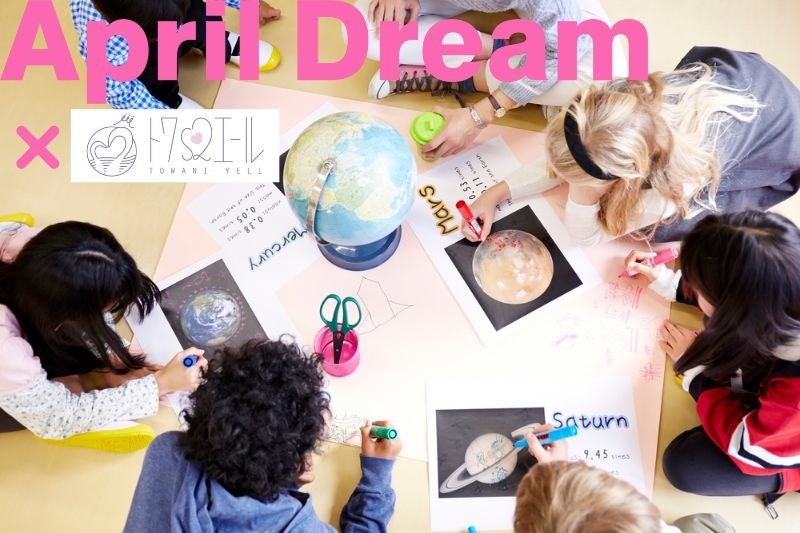
Prisma Inc. (Headquarters: Fukuoka City, Fukuoka Prefecture), which operates the children's cosmetics and health foods EC brand "Towaniell," is embarking on a new challenge: establishing an academy (kindergarten/school) centered on "inquiry-based learning."
Our company supports April Dream, an initiative to make April 1st a day for announcing dreams. This press release is Towaniell's dream.
■ Why a cosmetics and health foods company aims to establish an academy
Children's anxieties expressed in an anonymous consultation service
In addition to selling adolescent acne facial cleansers and growth-period calcium supplements for children, Towaniell also operates the anonymous email service 'Soudanbako' (Consultation Box), where children can confide in problems they can't discuss with anyone, based on the brand concept of 'Eternal support for all who continue to soar.'
The 'Soudanbako' receives 80-100 consultations annually from children experiencing real-life issues, not just product-related concerns, but also about studies, friendships, and other daily matters. Staff respond to each message, continuously supporting those struggling.
Among the consultations, voices expressing 'anxiety about the future' and 'not knowing my own worth' are not uncommon.
Children's fragile self-esteem
According to a survey by the Children and Families Agency, the percentage of Japanese children and young people who answered 'satisfied with themselves (self-esteem)' was 57.4%, an improvement of 12.3 percentage points from the 2018 survey, but still low compared to other countries.
We realized that our new mission should not only be to support them with their immediate concerns but to create a foundation for children to build confidence and soar in their own unique way.