Japanese Doctor Raised in Kenya Gives Back: Providing Medical Support to 2,000 People Daily in Underserved Areas
Makima-kai Medical Corporation, led by a Japanese doctor raised in Kenya, conducted a large-scale free health consultation event in Kenya, with Japanese medical students participating as volunteers, aiming for sustainable international medical support and zero HIV infections in Japan.
📋 Article Processing Timeline
- 📰 Published: April 2, 2026 at 19:10
- 🤖 AI Analyzed: June 2, 2026 at 12:59 (1457h 49m after Published)
Makima-kai Medical Corporation's Personal Health Clinic (Location: Bunkyo-ku, Tokyo; Director: Daisuke Shiojiri) conducted a large-scale free health consultation event, a "Medical Camp," for local residents in the Republic of Kenya, Africa, in February 2026, in collaboration with the NPO Africa Children's Education Fund (ACEF).
This activity is a lifelong commitment for Daisuke Shiojiri, the director of the corporation and director of the Ueno Clinic, who spent his childhood in Kenya and obtained his medical license there. It is implemented as part of ongoing CSR activities aimed at rectifying medical disparities both domestically and internationally, and fostering the next generation of international medical professionals.
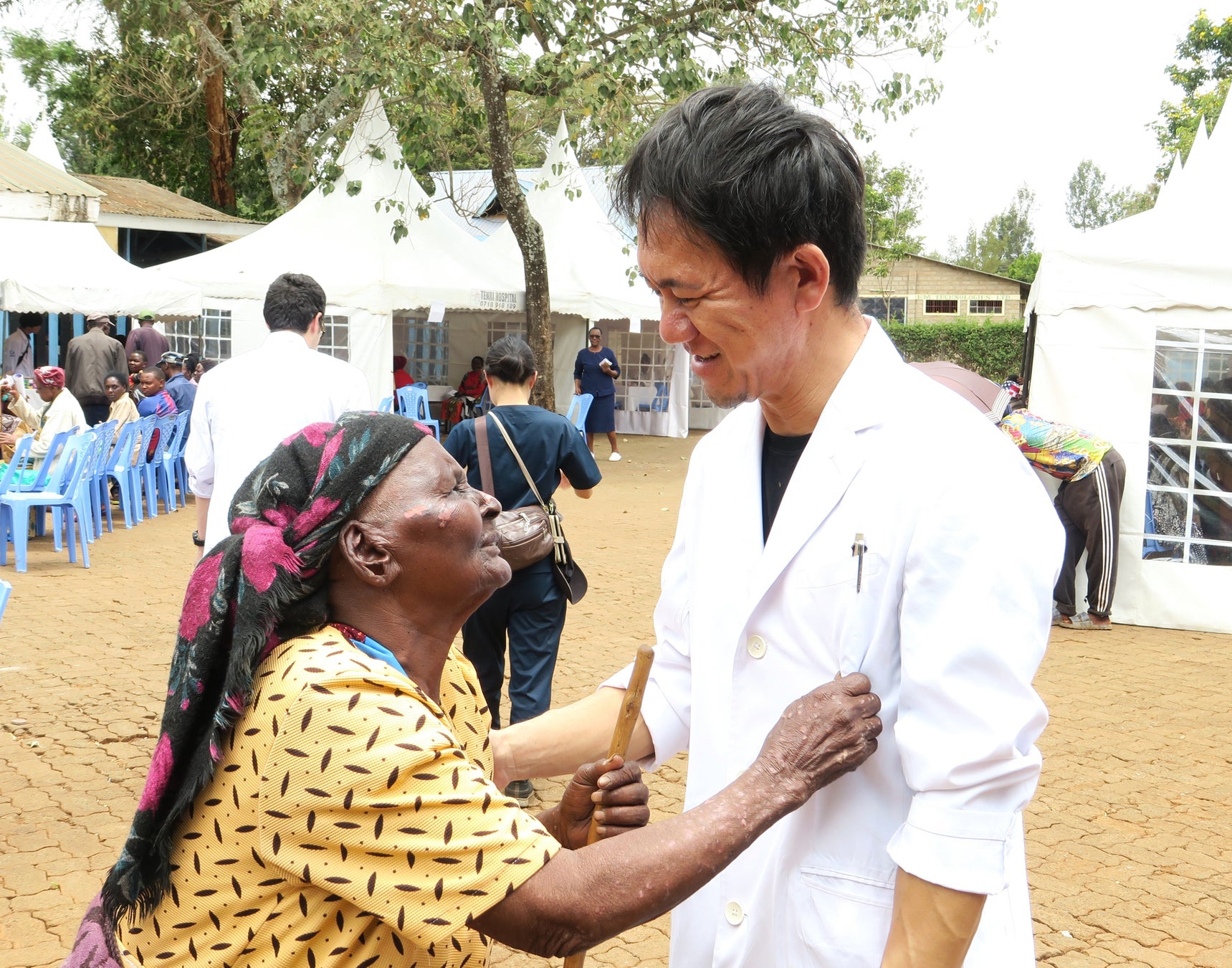
■ To Areas Lacking Medical Infrastructure: A "Medical Camp" Visited by Approximately 2,000 People in One Day
The Ena district in Kenya, where the activity took place, is located about a four-hour drive from the capital Nairobi. Many people living there find it difficult to access hospitals daily due to economic reasons and physical distance. On the day of the event, following calls made via radio, approximately 2,000 local residents visited the venue continuously from 9 AM until evening.
In cooperation with local Kenyan doctors, a wide range of services was provided, from consultations for general ailments to screenings for conditions like high blood pressure. For those with severe symptoms, referral letters were issued to ACEF's main hospital, which has CT and endoscopy equipment, or to nearby county hospitals, thereby establishing "sustainable medical access" that goes beyond one-time aid.
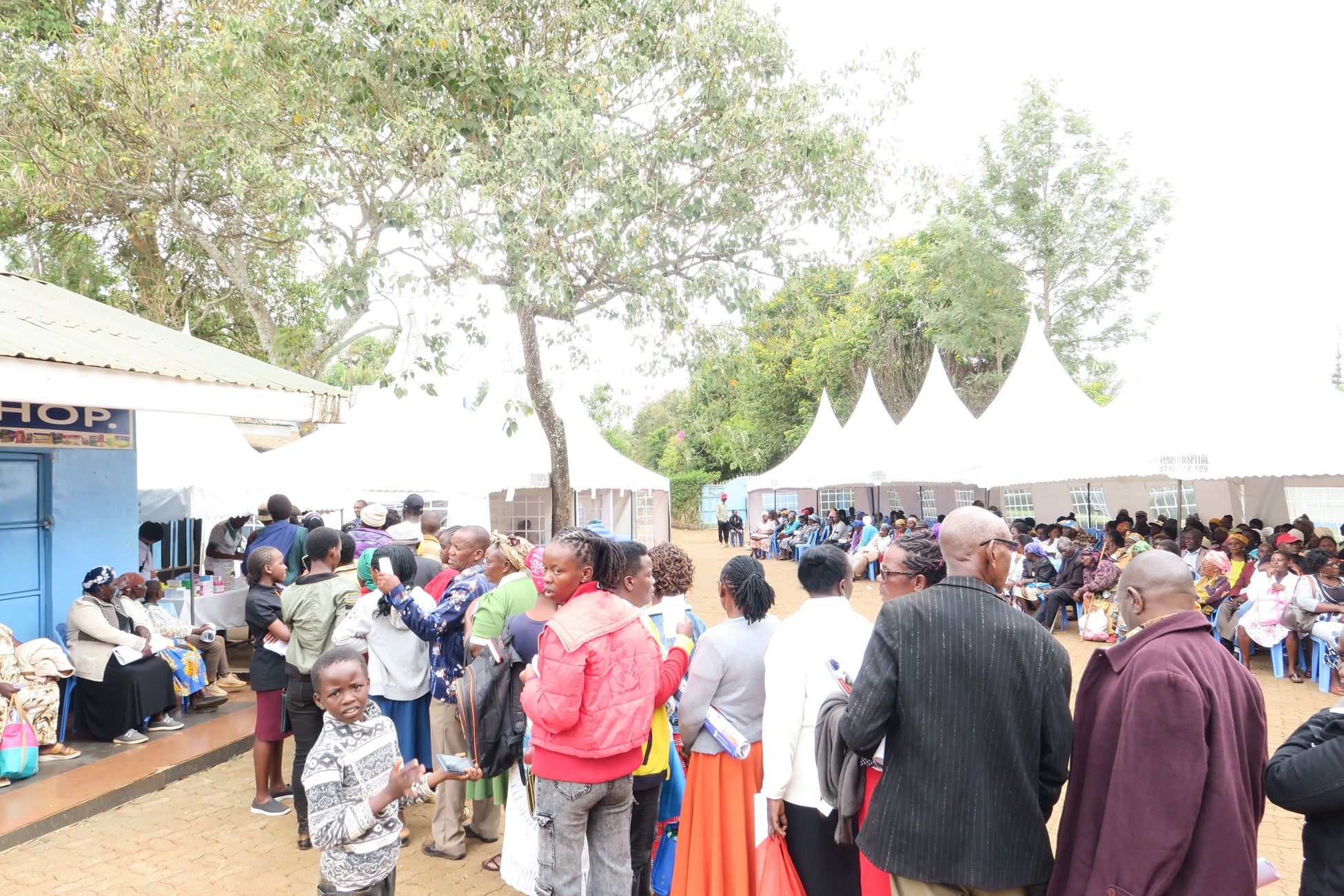
■ Japanese Medical Students Participate: A Site for Nurturing "International Medical Professionals"
This medical camp saw the participation of four medical students and one young doctor from Japan, along with members from diverse backgrounds such as nurses, midwives, pharmacists, and teachers, all as volunteers. Facing a variety of symptoms and environments, often unimaginable in Japan and not limited by specialized fields, provides a dramatically broadening experience for students and young medical professionals. The experience of engaging in discussions with local medical staff in English and Swahili is an important opportunity for participants to deepen their interest in future international medicine and social contribution.
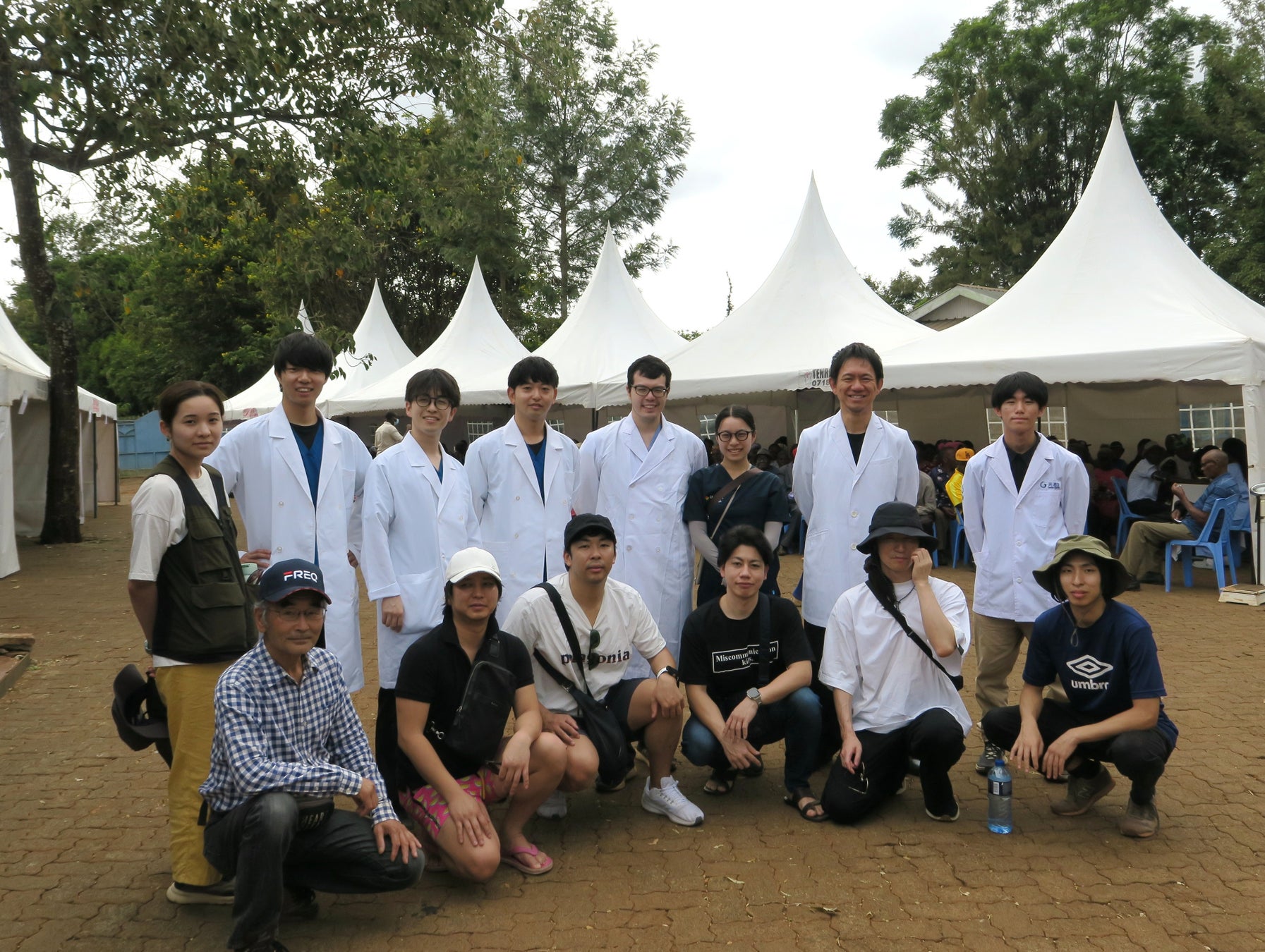
■ "To Not Repeat the Sorrow of Losing My Sister" - Dr. Shiojiri's Bond with Kenya
For Daisuke Shiojiri, the director of the corporation and who personally attends to patients daily in the examination room of the Ueno Clinic, Kenya is his "origin as a doctor." Shortly after moving to Kenya with his family at the age of nine, he experienced the profound tragedy of losing his beloved sister to malaria. With that sorrow in his heart, he enrolled in the University of Nairobi School of Medicine and faced countless lives as an obstetrician-gynecologist in the harsh local environment. Even after returning to Japan and becoming a doctor and instructor specializing in infectious diseases, he continues to visit Kenya annually, in between his daily practice, to support these underserved areas with local medical staff, a commitment he has maintained for many years.
■ Comment from Daisuke Shiojiri, Director and Director of Ueno Clinic
"Kenya is my second home. Every time I see the local people happily forming long queues, saying 'The Japanese have come,' I strongly feel my responsibility and fulfillment as a medical professional.
Currently, Japan is in a serious situation as the only developed country where the spread of HIV has not been curbed. With a strong desire to 'achieve zero new HIV infections in Japan,' I am engaged in various activities in Japan, such as organizing one-coin (500 yen) HIV testing events in collaboration with NPO organizations to promote testing and awareness. Whether at our clinics in Ueno and Yokohama or in distant Kenya, our belief in 'delivering world-standard medical care open to everyone' is one. We will continue our activities as on-site doctors to solve societal issues, both domestically and internationally."
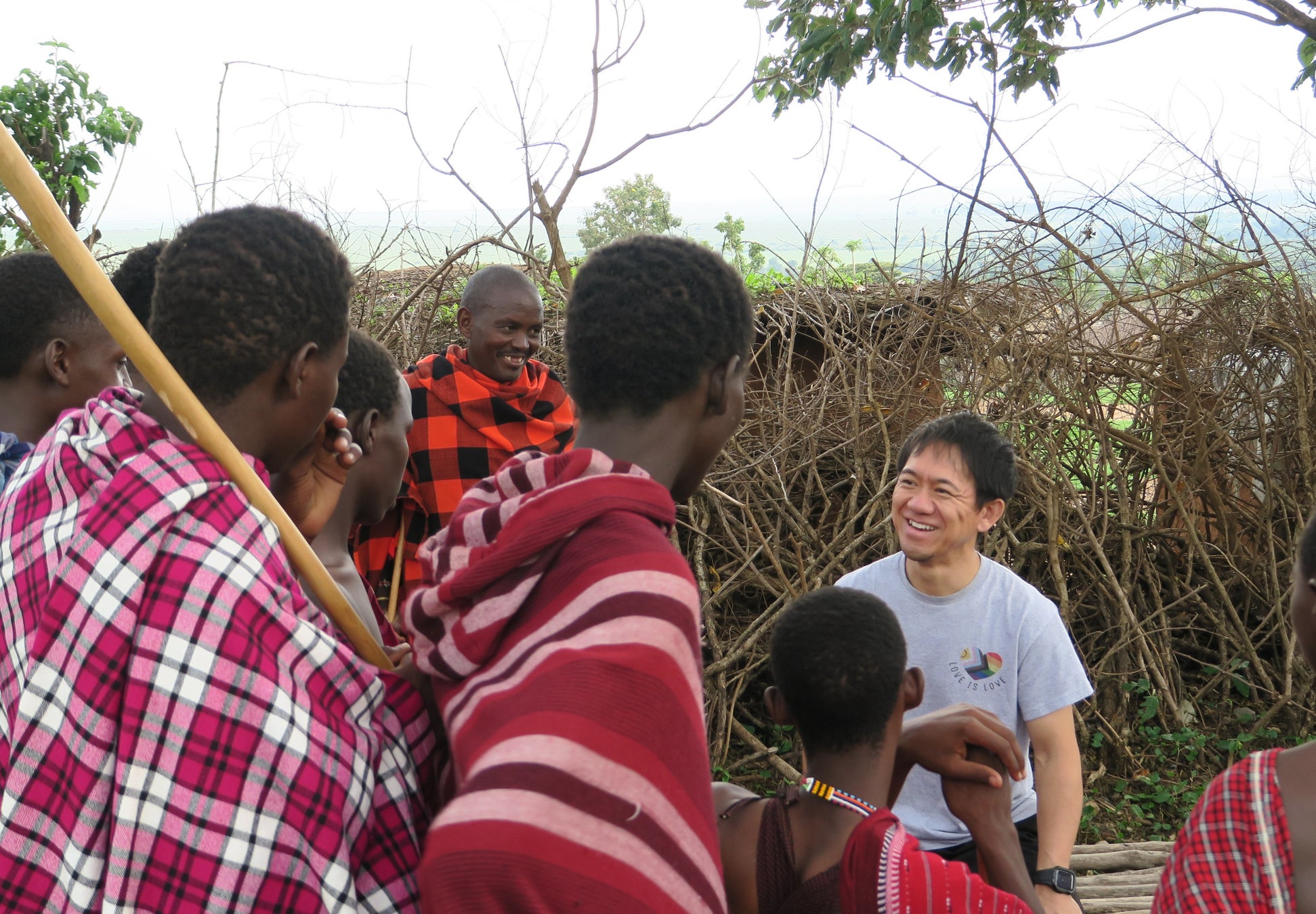
■ About Makima-kai Medical Corporation Personal Health Clinic
The name of the corporation, "Makima," originates from a place name in East Africa, Kenya. Daisuke Shiojiri's parents operate an orphanage for children who lost their parents to AIDS in this very place, Makima.
Personal Health Clinic was born from a strong desire to "eliminate infectious diseases, especially HIV, from the world." By adopting "Makima," which is its origin and a symbol of its aspirations, as the corporate name, it provides medical care daily. In addition to daily consultations, the clinic actively engages in sharing knowledge at academic conferences and CSR activities both domestically and internationally, striving to solve social issues through medicine.
【Clinic Overview】
・Name: Personal Health Clinic
・Director: Daisuke Shiojiri
・Official Website: https://ph-clinic.org/
・Services: STI Internal Medicine, Gender Clinic, various preventive medical care
<Ueno Clinic>
Director: Daisuke Shiojiri
Location: Ueno Fuji Building 6F, 3-39-3 Yushima, Bunkyo-ku, Tokyo
(1-minute walk from Yushima Station on the Tokyo Metro Chiyoda Line, 5-minute walk from Okachimachi Station on JR Line)
Phone: 03-5817-4415
<Yokohama Clinic>
Director: Makoto Ikebukuro
Location: Yokohama Nishi Kyodo Building 4F, 1-2-13 Kitasaiko, Nishi-ku, Yokohama-shi, Kanagawa
(4-minute walk from West Exit of Yokohama Station on various lines)
Phone: 045-577-4300
FAQ
Where was the medical camp held?
It was held in the Ena district of the Republic of Kenya, about a four-hour drive from the capital Nairobi.
What role did Japanese medical students play?
They participated as volunteers, gaining experience that broadened their expertise and perspectives by facing diverse symptoms and environments.
Why does Chairman Shiojiri continue medical support in Kenya?
He has a profound personal experience of losing his younger sister to malaria in his childhood, and he continues this as his life's work as a doctor to prevent such tragedies from recurring.