【岡山大學】在日本西表島發現日本住血吸蟲的中間宿主「宮入氏氏螺」新亞種,無感染日本住血吸蟲之虞!
在日本西表島發現了無感染日本住血吸蟲風險的宮入氏氏螺新亞種。
📋 文章處理履歷
- 📰 發表: 2026年3月30日 09:31
- 🔍 收集: 2026年3月30日 09:00
- 🤖 AI分析完成: 2026年4月15日 10:01(收集後385小時0分鐘)
這是由岡山大學與獨協醫科大學共同研究發表的記者會。
2026(令和8)年 3月 30日
國立大學法人岡山大學
<發表重點>
-
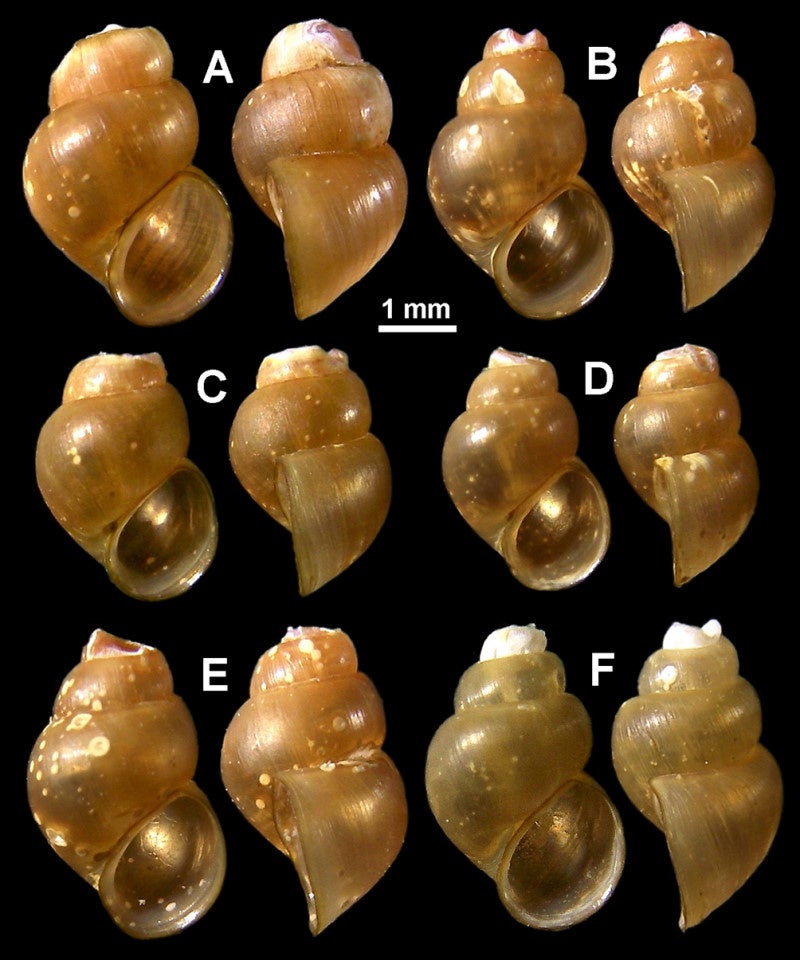
在日本沖繩縣西表島的山中瀑布發現了廣為人知是日本住血吸蟲中間宿主的宮入氏氏螺新亞種,並正式命名為「西表宮入氏氏螺」(*Oncomelania hupensis iriomotensis*)。
-
透過對日本住血吸蟲的感染實驗及當地環境DNA分析結果,並未獲得顯示感染風險的證據。
-
此新亞種的分布範圍極為狹窄,依據環境省紅皮書的評估標準,相當於極度瀕危(CR)等級,強烈要求採取保育措施。
◆概要
國立大學法人岡山大學(總部:岡山市北區,校長:那須保友)學術研究院環境生命自然科學學域(農)的福田宏副教授、東京大學大學院理學研究科的澤田直人特任研究員、獨協醫科大學大學院醫學研究科的桐木雅史講師組成的共同研究團隊,在日本沖繩縣西表島的山中瀑布發現了未知的捲螺類,並確認其為宮入氏氏螺(片山氏氏螺)的新亞種,正式命名為「西表宮入氏氏螺」(*Oncomelania hupensis iriomotensis* Fukuda & Sawada in Sawada, Kirinoki & Fukuda, 2026)。
本州和九州的宮入氏氏螺是日本住血吸蟲的中間宿主,曾對人體造成嚴重危害。然而,對此次發現的新亞種進行感染實驗,並分析其棲息地的環境DNA後,並未獲得顯示感染風險的數據。儘管如此,仍需持續研究以評估潛在風險。
宮入氏氏螺通常棲息於水田周邊等低窪地區,而新亞種僅限於瀑布周邊,這是兩者之間的一大差異。由於其分布範圍極為狹窄,被認為有滅絕的危機,因此需要採取保育措施。
這些研究成果已於2026年2月11日刊載於美國的軟體動物學專業期刊「*Malacologia*」。
此資訊由岡山大學於2026年3月23日公開。
常見問題
What was discovered on Iriomote Island?
A new subspecies of the snail *Oncomelania hupensis* was discovered on Iriomote Island, Okinawa Prefecture.
What is the scientific name of the new subspecies?
The new subspecies has been officially named *Oncomelania hupensis iriomotensis*.
Is there a risk of Schistosomiasis Japonica infection from this new subspecies?
Based on infection experiments and environmental DNA analysis, no evidence indicating a risk of Schistosomiasis Japonica infection from this new subspecies has been found.
What is the conservation status of this new subspecies?
The distribution of the new subspecies is extremely limited, qualifying it as Critically Endangered IA under the Ministry of the Environment's Red List criteria, indicating a high risk of extinction and a strong need for conservation measures.
Where was the new subspecies found?
It was discovered at a waterfall in the mountains of Iriomote Island, Okinawa Prefecture, which is a different habitat from other *Oncomelania* species found in lowlands.
Which institutions were involved in this research?
The research was a collaboration between Okayama University, the University of Tokyo, and Dokkyo Medical University.
Where were the research findings published?
The findings were published in the American malacological journal "*Malacologia*".