"Just 'Wanting to Come Back' Isn't Enough, So We'll Become Townspeople." Three University Students from Kanto Decide to Move to Rikuzentakata
Three university students from the Kanto region have decided to move to Rikuzentakata City in Iwate Prefecture. Sparked by their participation in a community development program, they chose to become 'townspeople' motivated not by jobs or subsidies, but by personal connections and a desire to give back.
📋 Article Processing Timeline
- 📰 Published: April 7, 2026 at 19:00
- 🔍 Collected: April 7, 2026 at 10:31
- 🤖 AI Analyzed: April 20, 2026 at 23:13 (324h 42m after Collected)
The time spent laughing around the dinner table late into the night. The morning of their departure, a hand clasped theirs with a "Come back again," and tears fell unexpectedly.
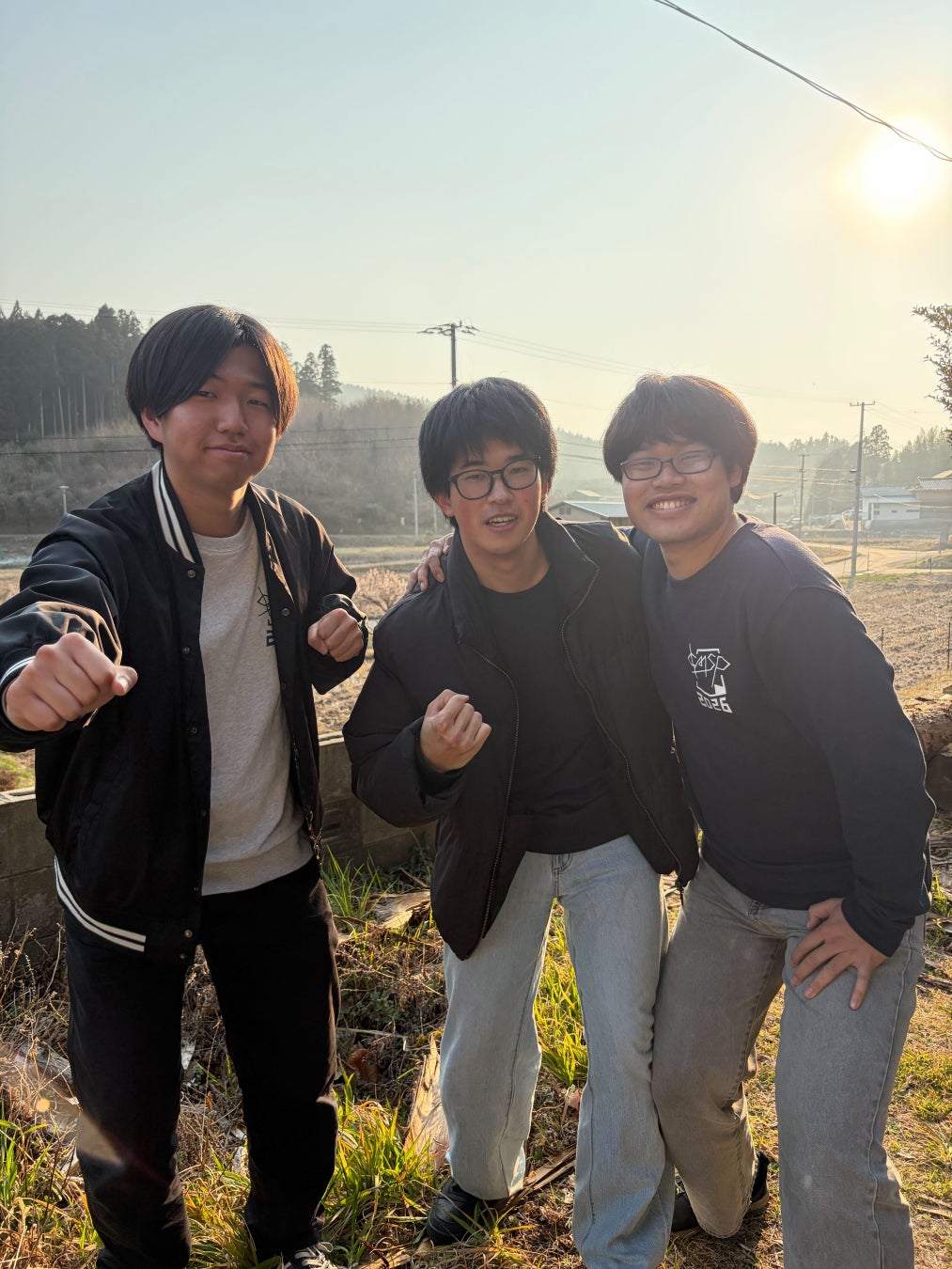
In Rikuzentakata City, Iwate Prefecture, where a warm spring sea breeze blows, three university students from the Kanto region, who had once visited the town as participants in a one-week community development program called "CMSP (Change Maker Study Program)," have taken their first steps this spring to become "townspeople" of their own volition.
◾️Why move to a rural area now?
More than a decade has passed since the Great East Japan Earthquake, and society's phase has shifted. With population decline advancing nationwide, the cry in regional revitalization is "how to attract people." However, the reason they decided to move was not based on conditions like job advantages or subsidies. It was a highly personal and warm, strong emotion: "I want to give back to the people of the town who took care of me," and "I want to continue to be involved with the people I love." In a society that demands efficiency and meritocracy, what moved them was the presence of "someone whose face I can picture." They didn't just learn about disaster prevention and community development as knowledge; they overlaid their own lives onto the "relationships" that existed there.
◾️Voices of the three migrants: From being a consumed "resource" to finding "one's own way"
In the voices of these students, who have studied at universities in Tokyo and Saitama, there is a perspective that sees the region not as a field for solving problems, but as a "place to belong" where they can live richly.
Koki Kawamura (Saitama University, Faculty of Science): "There were peers of my generation who passionately told me, 'I want to work with you in Rikuzentakata.' And I sincerely felt that I want to stay connected with the townspeople who took care of me for the rest of my life. I will do my best so that years from now, I can think, 'I'm glad I made this decision back then.'"
Akihiro Yamamoto (Shibaura Institute of Technology, Faculty of Architecture): "The biggest reason was that I grew to love the people of the town and thought, 'I want to repay the kindness I received!' And above all, it was a big factor that I could feel myself 'coming alive' while living in Rikuzentakata. I will find my own way of life in this place and become a respectable citizen."
Harutoshi Sakugawa (Senshu University, Faculty of Business Administration): "The deciding factor for moving was the strong feeling that a one-week program was too short, and I wanted to be involved on a daily basis. I want to become a bridge connecting people from other regions with Rikuzentakata, making participants who finish the program say, 'I want to come back to Takata again!'"
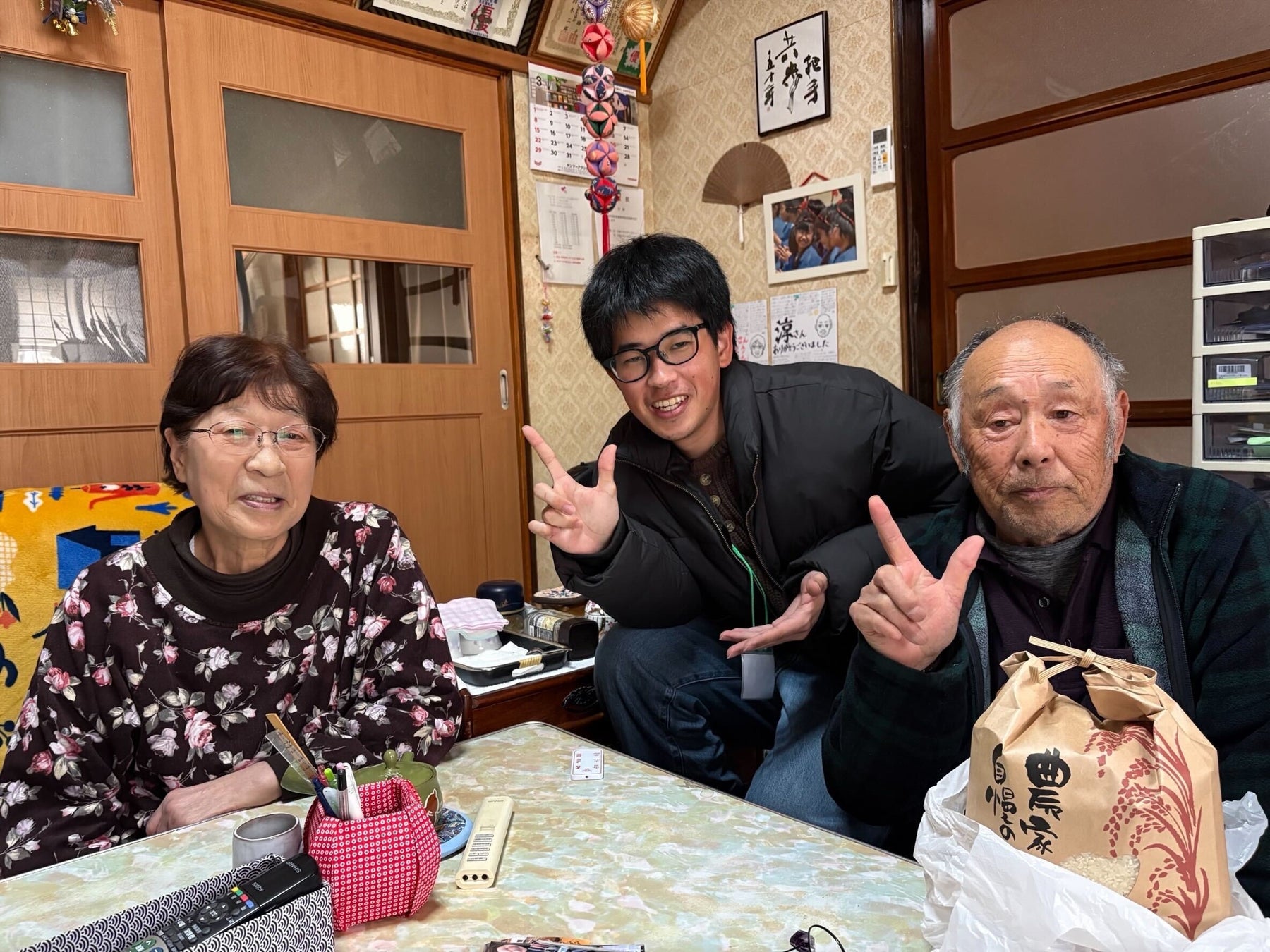
◾️The value of "relationships" that cannot be measured by meritocracy
The certified NPO SET has a mission to "turn each person's 'want to do' into 'was able to do'." We do not treat young people as a "labor force" or a "means" for the region. Each person, as the protagonist of their own life, meets local residents and envisions the future together. That is