University Students Act as Instructors to Conduct Future-Oriented Workshop Utilizing Generative AI
STEM Leaders, a non-profit organization, conducted a two-day workshop for approximately 640 high school students at Chiba Prefectural Isobe High School. University students served as instructors, teaching about the appropriate use and limitations of generative AI, and facilitating a workshop for high school students to deepen their thoughts on their future careers.
📋 Article Processing Timeline
- 📰 Published: April 2, 2026 at 20:57
- 🔍 Collected: April 2, 2026 at 13:36
- 🤖 AI Analyzed: April 17, 2026 at 20:32 (366h 56m after Collected)
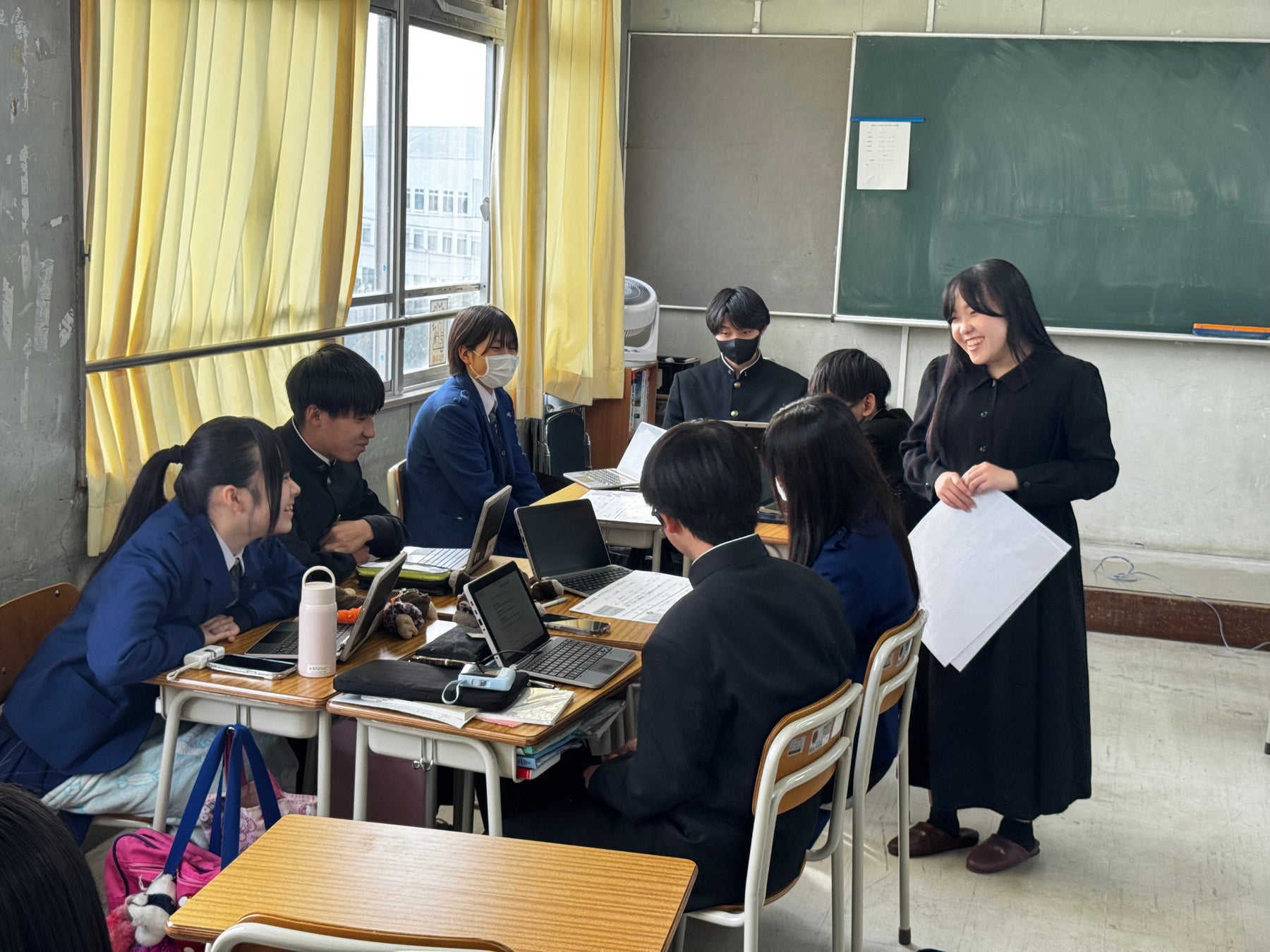
STEM Leaders, a specified non-profit organization (Representative: Shinichiro Murashige, Chuo-ku, Tokyo, hereinafter "STEM Leaders"), conducted a two-day class on February 5 and February 12, 2026, for approximately 640 first and second-year students of Chiba Prefectural Isobe High School (Principal: Yasushi Iwai, Chiba City, Chiba Prefecture, hereinafter "Isobe High School"). The class aimed to provide an experience of "future-oriented thinking" while learning about the appropriate use and limitations of generative AI.
University students served as instructors for each class, explaining the know-how and precautions for utilizing "generative AI," which is rapidly permeating society, from a university student's perspective. In particular, they also explained the limitations and risks of generative AI. A workshop was held for high school students to deepen their thoughts on their future "careers." Moving forward, this content will be expanded nationwide, with the aim of broadening a world where regional innovation is realized through the power of the younger generation.
【Class Content】
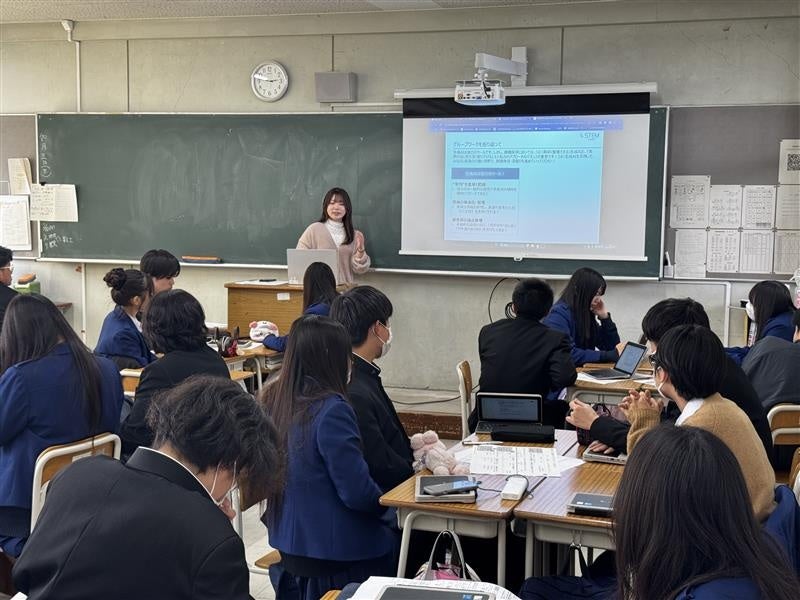
The class was structured in the following three stages. The lecture content was designed in collaboration with the General Incorporated Association for Next-Generation Education, Industry-Government-Academia-Citizen Collaboration, after understanding the current state of AI utilization in high schools.
Students learned about the mechanisms of generative AI, recent technological advancements, and the characteristics of major AI services, deepening their understanding of AI's impact on society and learning.
Risks, primarily focusing on hallucinations (the phenomenon where AI generates plausible but incorrect information), were explained. Based on actual examples, students learned an attitude of critically utilizing AI.
A practical workshop using Microsoft Copilot was conducted. With "future career choices" as the theme, discussions without AI were compared with decision-making after AI utilization, allowing students to experience how AI contributes to organizing thoughts and expanding options.
【Purpose of Implementation】
The purpose of this class was not merely to introduce generative AI as a convenient tool, but to foster the ability to utilize it after understanding its strengths and weaknesses. Additionally, group work was conducted to deepen high school students' thoughts on "future learning and career formation," which was of highest interest to them.
University students from STEM Leaders, who are engaged in practical efforts to solve social issues using digital technology, served as instructors. The aim was to provide an opportunity for high school students to connect their future designs with AI utilization through role models close to their age.
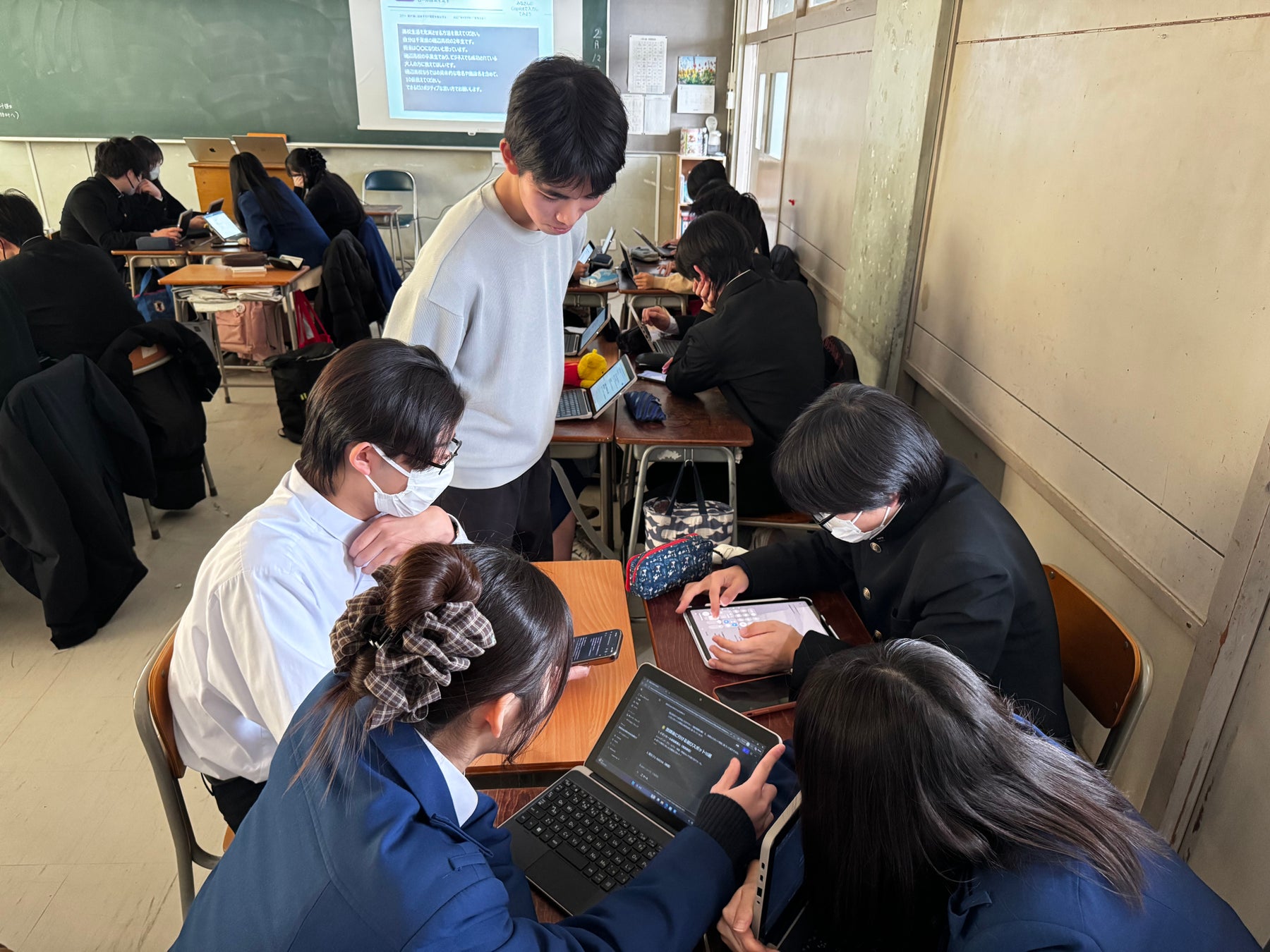
【Results of Class Implementation】
In a pre-class survey, about half of the students had experience using generative AI, but only 11% understood its risks. In the class, all participating high school students actually experienced generative AI, learned about its convenience and appropriate usage, and deepened their understanding of the importance of judging the veracity of information.
Furthermore, it was confirmed that learning the know-how and precautions practiced daily by university students of a similar age was relatable for high school students and provided a practical learning opportunity. The potential value of university students in a new educational model that connects school education with digital human resource development was recognized.
Moving forward, to connect the learning from the class to continuous effects, there are plans to compile a "Generative AI Utilization Handbook," aiming to provide an opportunity for teachers and students to deepen their learning at their own pace and utilize AI in their daily lives.
【Voices of Participating High School Students】
・By utilizing AI, I was able to notice perspectives I hadn't considered before.
・Following the instructor's explanation and actually trying multiple prompts, I realized that if the writing style isn't good, accurate answers won't be returned.
・AI provides detailed information that seems plausible, so at first glance, it all looks correct, but there are also incorrect parts, so I learned that it's important not to trust it too much and to research the evidence myself.
・I wanted to actively use it because it's convenient, but I realized that it's important to use the answers as reference information without trusting them too much, and that I need to be able to discern false information.
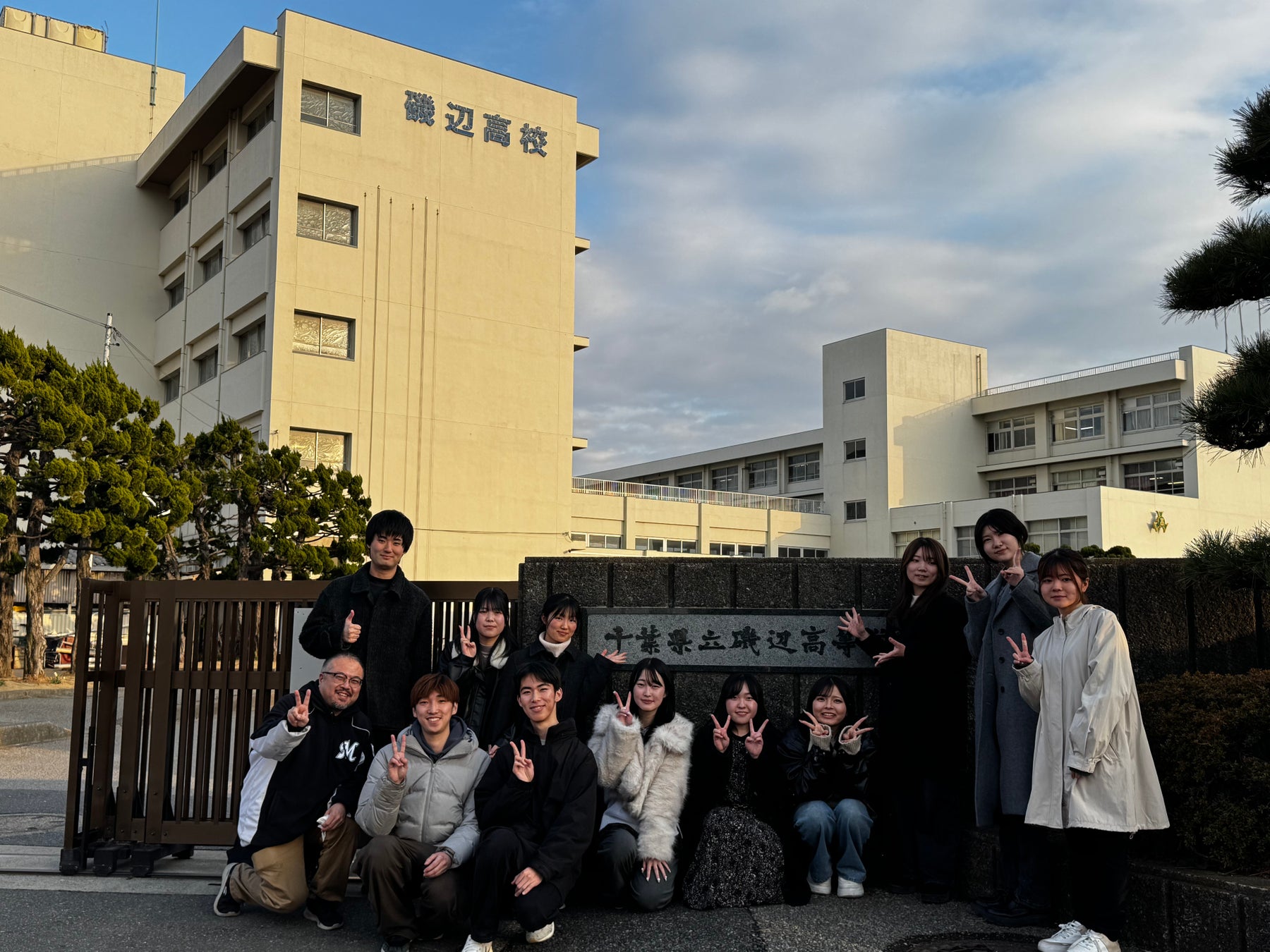
【Voices of Instructors and Planning Members】(Affiliations at the time of the lecture)
・Ryo Watanabe (2nd-year Master's student, Yokohama City University Graduate School, STEM Leaders Secretary-General)
Generative AI is rapidly permeating society, but there are still not enough opportunities to learn about its mechanisms and risks. Through this class, I hoped that high school students would gain a perspective on utilizing AI by understanding not only its convenience but also its characteristics and limitations. We will continue to collaborate with schools to expand opportunities for literacy education to help the next generation coexist with AI.
・Kanna Kayama (1st-year Master's student, University of Tsukuba Graduate School)
Through the workshop, I feel that we were able to provide an opportunity to experientially learn the characteristics of generative AI and to gain a bird's-eye view of life planning. It was also meaningful to be able to provide career counseling and explain how AI is used in universities from the perspective of someone close in age to the high school students. I hope this class will serve as an opportunity for students to acquire appropriate literacy and wisely utilize AI.
【Comments from Organizers and Stakeholders】
<Shinichiro Murashige (Chairman, Specified Non-Profit Organization STEM Leaders)>
As generative AI grows exponentially, it is essential for young people to envision the future 10 to 20 years from now, not just focus on immediate convenience. To overcome Japan's low self-esteem and the decline in collaborative skills due to the COVID-19 pandemic, "future-oriented thinking," which the WEF also emphasizes, is key. We are grateful for this opportunity at Chiba Prefectural Isobe High School. We will continue to promote human resource development for the next generation, centered on the value of university students in solving social issues.
<Kyosuke Ichino (Member, General Incorporated Association for Next-Generation Education, Industry-Government-Academia-Citizen Collaboration)>
From the perspective of tasks that transform schools, it has become possible to use some generative AI. However, I believe that how to use it will be a process of trial and error. Chiba Prefectural Isobe High School conducts classes that connect to society, such as "work" and "business," as part of its career education. I hope that the opportunity to learn about AI utilization and challenges with university students in academia will be a starting point for thinking about how to learn and live.
<Yasushi Iwai (Principal, Chiba Prefectural Isobe High School)>
In recent years, generative AI has been increasingly utilized in all fields of society and has the potential to greatly change future learning and working styles. At our school, we believe it is important to foster students' ability to positively embrace these changes, correctly understand information, and utilize it themselves. We are very pleased to have collaborated with STEM Leaders again this year to conduct the generative AI course. For the students, the opportunity to learn directly from university students was stimulating and a great opportunity to think about how to approach AI. Through this initiative, we hope that students will further develop the literacy and creative thinking skills necessary for future society.
【Organizations and Companies Introduced】
《General Incorporated Association for Next-Generation Education, Industry-Government-Academia-Citizen Collaboration (CIE)》
The General Incorporated Association for Next-Generation Education, Industry-Government-Academia-Citizen Collaboration (CIE) is an organization that connects diverse entities such as companies, government, and educational institutions to promote and implement co-creative education. Its activities include supporting the introduction of programs to educational settings, accompanying teachers, supporting curriculum management, designing and implementing DPBL (problem-based learning), promotional activities, and making recommendations for research and policy.
《Chiba Prefectural Isobe High School》
Chiba Prefectural Isobe High School promotes education that fosters the autonomy of each student, valuing "self-thinking, self-driving, and self-reflection" (thinking for oneself, acting for oneself, and reflecting on oneself). As a Ministry of Education, Culture, Sports, Science and Technology "DX High School" designated school (FY2024-2025), it promotes the utilization of ICT and the development of information utilization skills, working to improve the qualities and abilities required in future society.
HP:https://cms1.chiba-c.ed.jp/isobe-h/
《Specified Non-Profit Organization STEM Leaders》
STEM Leaders is a student organization established in 2016. It aims to develop leaders who can identify and solve problems using STEM (Science, Technology, Engineering, Mathematics).
Currently, approximately 130 university students from 19 universities, including Tsukuba University, Tsuda University, Keio University, Tokyo University of Science, Chuo University, and Shimonoseki City University, with diverse backgrounds in both science and humanities, are members. They independently promote social issue resolution projects in collaboration with local governments and universities, such as making recommendations to the government based on data analysis and developing applications to improve citizen services.
Homepage:https://stemleaders.or.jp
Instagram:https://www.instagram.com/stemleaders/
Facebook:https://www.facebook.com/stemleadersjapan/
Contact Information
Specified Non-Profit Organization STEM Leaders
Yurika Mineishi, Yuna Morikazu (Tsuda University)
Email:info@stemleaders.onmicrosoft.com