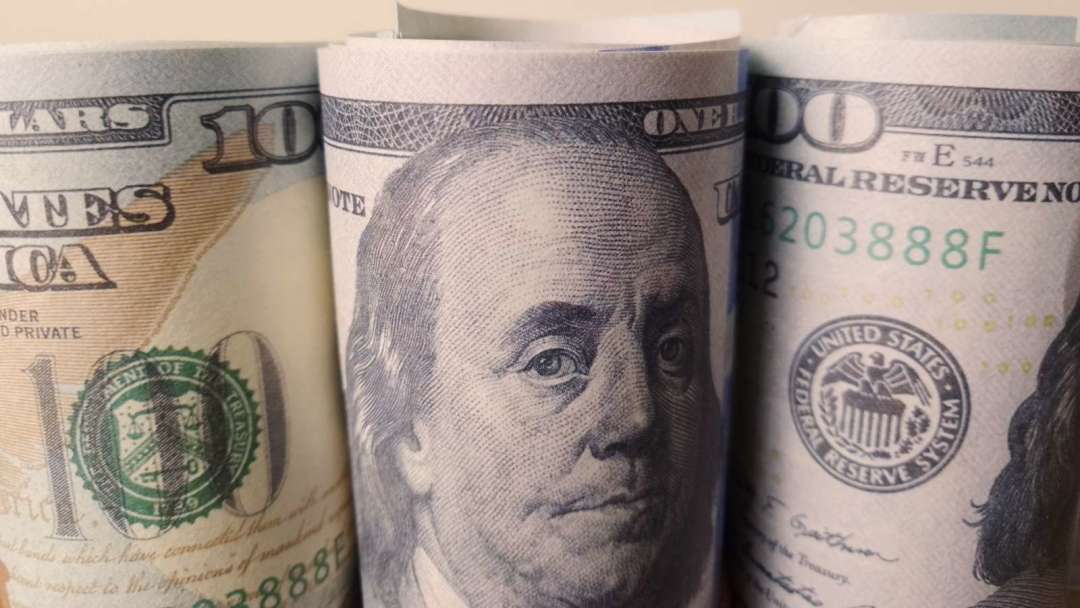
According to Yahoo Finance, the U.S. dollar started the year strongly, appreciating approximately 2.5% against a basket of major currencies. This strength has been fueled by foreign investors heavily buying U.S. tech stocks and market expectations that interest rates will remain elevated for a longer period.
Bank of America (BofA) believes the dollar still has room to rise in the second half of 2026.
The bank's foreign exchange trading team highlights three key factors supporting the dollar's outperformance against other currencies: Middle East conflict, the AI boom, and the prospect of persistently higher interest rates.
First, the threat of war with Iran and the potential closure of the Strait of Hormuz are expected to heighten geopolitical tensions and keep oil prices elevated. Despite a sharp drop in June, Brent crude and U.S. West Texas Intermediate (WTI) crude futures have risen about 40% year-to-date, with renewed conflict pushing prices higher again.
Since crude oil is priced in dollars, the foreign exchange demand generated by overseas buyers purchasing oil is expected to support the dollar. BofA foreign exchange strategist Alex Cohen noted in a recent client report that the dollar could also benefit from traditional safe-haven buying.
Cohen wrote, "At the very least, we believe that as long as oil prices find support near pre-war levels, the risk balance in the oil market could somewhat mitigate the downward pressure the dollar might otherwise face."
Second, Cohen pointed out that the strong performance of U.S. equities in the first half of the year has been almost entirely driven by the AI boom, which also benefits the dollar. While wars in the past typically weighed on stock markets, the current global race to develop AI continues to fuel gains in U.S. stocks and attract significant foreign investment.
Cohen stated, "By any measure, the U.S. capital expenditure outlook is astonishing, both in absolute terms and relative to the rest of the world. The AI story isn't over, but its early chapters so far point to dollar upside."
Third, Cohen emphasized that BofA's interest rate forecast significantly diverges from market consensus. The bank expects the Federal Reserve (Fed) to raise rates three times in 2026, each by 25 basis points, while the market currently prices in only one hike. Cohen believes that if rates ultimately end up 75 basis points higher than market expectations, this would typically be favorable for the dollar.
Cohen noted, "Aside from Middle East tensions, market views on the policy outlook under Chair Waller have recently been the main driver of dollar sentiment. In fact, the short-term bullish or bearish bias on the dollar largely hinges on whether the market expects the Fed's final rate hikes to exceed or fall short of current pricing."
Overall, BofA argues that the factors boosting the dollar are not operating in isolation but are mutually reinforcing. High oil prices and the AI investment surge could sustain inflationary pressures, limiting the Fed's ability to cut rates and potentially forcing further hikes. At the same time, AI-driven capital inflows continue to attract foreign funds into U.S. markets.
Cohen believes that if this combination persists, the dollar's rally this year may not be a temporary rebound but a continuation reflecting the relative strength of the U.S. economy.
He stated, "Foreign exchange markets are currently digesting multiple themes, and we still believe these factors collectively increase the risk of short-term dollar appreciation. This should help support U.S. economic growth and inflation and have a net positive impact on capital flows."
FACT BOX
- Source: PR Times
- Category: Survey
- Organizations: Yahoo Finance