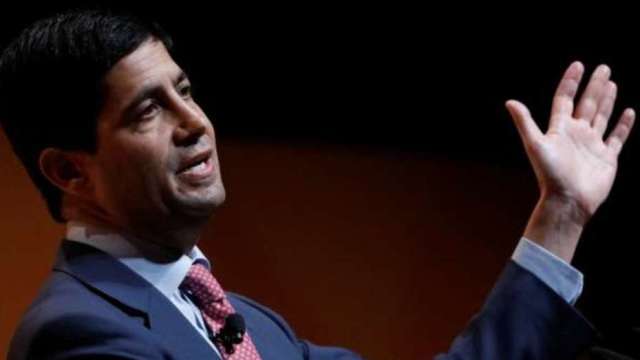
For the Chair of the Federal Reserve (Fed), credibility is the most valuable asset. This week’s congressional hearings marked a critical test for new Chair Kevin Warsh, as he faced his first public testimony and the challenge of maintaining that credibility.
Warsh appeared before the House and Senate on Tuesday and Wednesday—his first appearances as Fed Chair. While he avoided major missteps and received support from Republican lawmakers, Democratic members pressed him aggressively. Both parties agreed, however, that U.S. inflation remains unacceptably high.
Warsh must now deliver on his promise to restore price stability quickly—or risk losing not only internal Fed support but also the crucial political backing of Congress.
Warsh Seeks to Redefine 'Inflation'
One of Warsh’s key challenges is his push to reevaluate how the Fed measures inflation. Two major price indicators released this week unexpectedly declined: June’s Consumer Price Index (CPI) fell 0.4%, and the Producer Price Index (PPI) dropped 0.3%.
On Wednesday, Warsh stated, "Any central bank would be pleased to see data moving in the right direction. But I believe these are imperfect measures of underlying inflation trends."
Rising Oil Prices Don’t Necessarily Mean Inflation
Warsh acknowledged that tensions involving Iran have driven up U.S. gasoline prices but emphasized this does not constitute inflation that the Fed must address.
"Certain prices may rise due to specific shocks—that’s beyond the Fed’s control. But I don’t want the public to think we can’t manage medium-term inflation. That is precisely our responsibility," he said.
Warsh has established a special task force to study the nature of inflation, but its report will take several months to complete.
Yet the Fed’s next policy meeting is just two weeks away, and officials remain divided on whether AI investments are already fueling broad price increases.
Diverging Views on Whether AI Is Driving Inflation
Fed Governor Lisa Cook stated on Wednesday that AI investments may already be contributing to inflation, with prices for chips, high-tech equipment, software, and utilities potentially rising sharply.
She argued that inflation risks now outweigh employment risks, making her more inclined to support rate hikes.
Warsh disagrees. He called this "a healthy internal debate at the Fed" and believes supply will eventually catch up with demand. "I don’t think a single price increase automatically means inflation—markets respond on the supply side," he said.
He stressed that AI-driven price increases are fundamentally different from supply constraints caused by war.
On this issue, Warsh has also formed an AI task force to help the Fed analyze AI’s economic impact. Some Republican senators praised the group’s diverse backgrounds, but Democratic lawmakers noted the AI panel is almost entirely composed of AI optimists, lacking members who represent labor interests—raising concerns about truly balanced perspectives.
Reviving the 'Money Supply' Theory
Warsh is also embracing a more conservative economic stance, reintroducing money supply analysis into the Fed’s monetary policy report to Congress.
Former Chair Jerome Powell believed money supply offered little insight into inflation. Warsh, however, holds a different view. While he does not intend to return to the Fed’s past practice of targeting money supply directly, he believes certain money supply indicators still provide valuable signals for assessing inflation.
"I still hold a somewhat old-fashioned view: monetary policy should, after all, be about money," Warsh said.
The Ultimate Test: If Inflation Doesn’t Fall
For Warsh, the real danger lies in inflation failing to cool meaningfully. If prices remain stubbornly high, all his policy initiatives and reforms will face intense scrutiny, and critics may accuse him of prioritizing ideology over objective analysis.
Warsh has not committed to a future interest rate path, but markets widely expect a rate hike by year-end.
If the Fed ultimately raises rates due to other officials’ arguments that AI is fueling inflation, it would signal Warsh’s defeat in the policy debate—and damage his credibility.
Even worse, if Warsh succeeds in keeping rates steady or cutting them, but inflation then accelerates again, the blow to his credibility would be far greater. Such a loss of trust, no matter how many task forces he creates, may be impossible to recover.
FACT BOX
- Source: PR Times
- Category: News