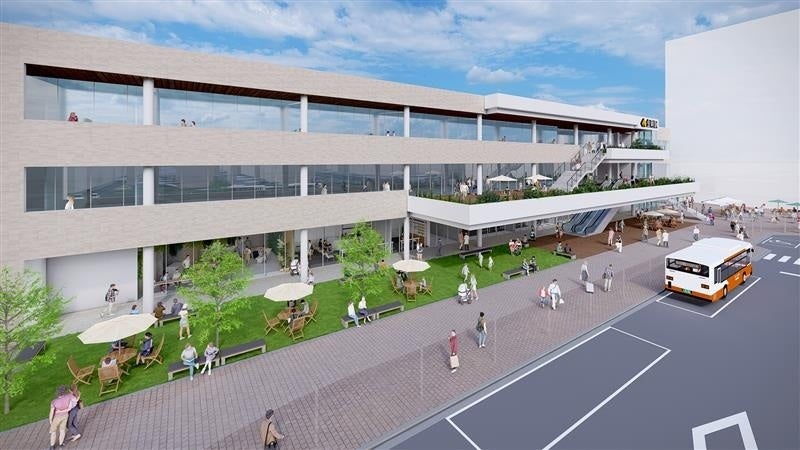
金剛車站周邊地區再整備事業 意象圖(※本意象圖為現時的規劃情況,未來可能因設計等因素而變更。)
南海電氣鐵道股份有限公司(代表取締役社長:岡嶋 信行,以下簡稱「南海電鐵」)、大阪狹山市(市長:古川 照人)、富田林市(市長:𠮷村 善美)為實現三方於2025年4月(令和7年)彙整的「以金剛車站為中心的城鎮發展調查報告書」,已著手研擬具體的事業手法等。
此次,三方同意透過官民合作共同推進金剛車站周邊地區再整備事業,並於2026年3月30日(令和8年)簽署了「金剛車站周邊地區再整備事業基本協定書」(以下簡稱「協定書」)。
1.金剛車站周邊地區再整備事業概要
隨著本次協定書的簽署,三方將針對金剛車站周邊地區的一體化再整備事業,正式啟動都市計畫相關法定程序及規劃研擬等工作,內容包含金剛車站周邊地區第一種市街地再開發事業、都市計畫道路金剛車站前交通廣場(東側)整備事業,以及其他相關停車場與自行車停車場功能的更新,並對車站建築及金剛車站西側部分進行改修與美化,以提升車站東西兩側的連通性。
關於金剛車站周邊地區再整備事業的實施,預計自2026年度(令和8年度)起,將著手進行都市計畫相關法定程序及工程設計等,之後逐步推進各項事業,目標於2033年度(令和15年度)中完成全面更新。(商業設施部分目標於2031年度(令和13年度)中開業。)
金剛車站周邊地區再整備事業 位置圖
2.以金剛車站為中心的城鎮發展概要
① 城鎮發展的背景與課題
金剛車站位於大阪狹山市內,毗鄰富田林市的行政區界,是特急列車停靠站,其站務利用者數在南海電鐵的105個車站中排名第12位(截至2024年3月,令和6年)。車站前的交通廣場作為兩市的玄關口,設有前往各方向的巴士站。東口有前往金剛新市鎮及金剛東新市鎮方向的路線巴士,西口則有前往狹山新市鎮及泉北新市鎮(往堺市泉丘車站方向)的路線巴士,是大阪南部重要的交通樞紐。
然而,金剛車站的日均乘降人數自1995年(平成7年)達到頂峰後呈現減少趨勢。考量到未來人口減少及少子高齡化的影響,預計金剛車站的乘降人數將進一步減少,這引發了對郊區據點區域潛力下降及整個城鎮魅力減弱的擔憂。
② 城鎮發展的未來願景
為了解決上述課題並提升區域價值,三方
常見問題
What is the main purpose of the agreement signed between Nankai Electric Railway, Osaka Sayama City, and Tondabayashi City?
The main purpose is to jointly promote the redevelopment of the area around Kongō Station through public-private cooperation, aiming to revitalize the area and address challenges such as declining passenger numbers and an aging population.
What specific projects are included in the Kongō Station Area Redevelopment Project?
The project includes the First Class Urban Redevelopment Project in the Kongō Station Area, the urban planning road Kongō Station Front Plaza (East) development project, renewal of parking and bicycle parking facilities, and renovation of the station building and surrounding areas to improve accessibility.
What is the target completion date for the overall redevelopment of the Kongō Station area?
The overall renewal of the Kongō Station area is targeted for completion by fiscal year 2033 (Reiwa 15). The commercial facilities are expected to open by fiscal year 2031 (Reiwa 13).
Why is the redevelopment of Kongō Station considered necessary?
Kongō Station, a key transportation hub in southern Osaka, has seen a decline in passenger numbers since its peak in 1995. The redevelopment is necessary to prevent a decline in the area's potential as a suburban hub and to maintain the overall attractiveness of the town in the face of future population decline and an aging society.
Who are the parties involved in this redevelopment project?
The parties involved are Nankai Electric Railway Co., Ltd., Osaka Sayama City, and Tondabayashi City.