Original Knowledge "Energizes Japan." The Forefront of BME, Four Researchers Honored: Winners of the 3rd Kobe Award Announced!
The Nakatani Foundation announced the winners of the 3rd Kobe Award, an academic prize established to commemorate the foundation's 40th anniversary. The award recognizes researchers who have made outstanding and original achievements in the field of Bio Medical Engineering (BME), as well as promising young researchers. The award ceremony will be held on May 31st, 2026, at the Kobe Portopia Hotel, and will include special lectures by the awardees, a poster session by junior and senior high school students, and an exchange event.
📋 Article Processing Timeline
- 📰 Published: April 7, 2026 at 22:00
- 🔍 Collected: April 7, 2026 at 13:30
- 🤖 AI Analyzed: April 18, 2026 at 10:55 (261h 24m after Collected)
The Nakatani Foundation (located in Shinagawa-ku, Tokyo; Chairman: Hiroshi Yatomi; hereinafter "Nakatani Foundation"), a public interest incorporated foundation that promotes technological development and exchange in the field of Bio Medical Engineering (BME) and fosters human resources through a wide range of grant programs, is pleased to announce the winners of the 3rd Kobe Award, an academic prize established to commemorate the foundation's 40th anniversary.
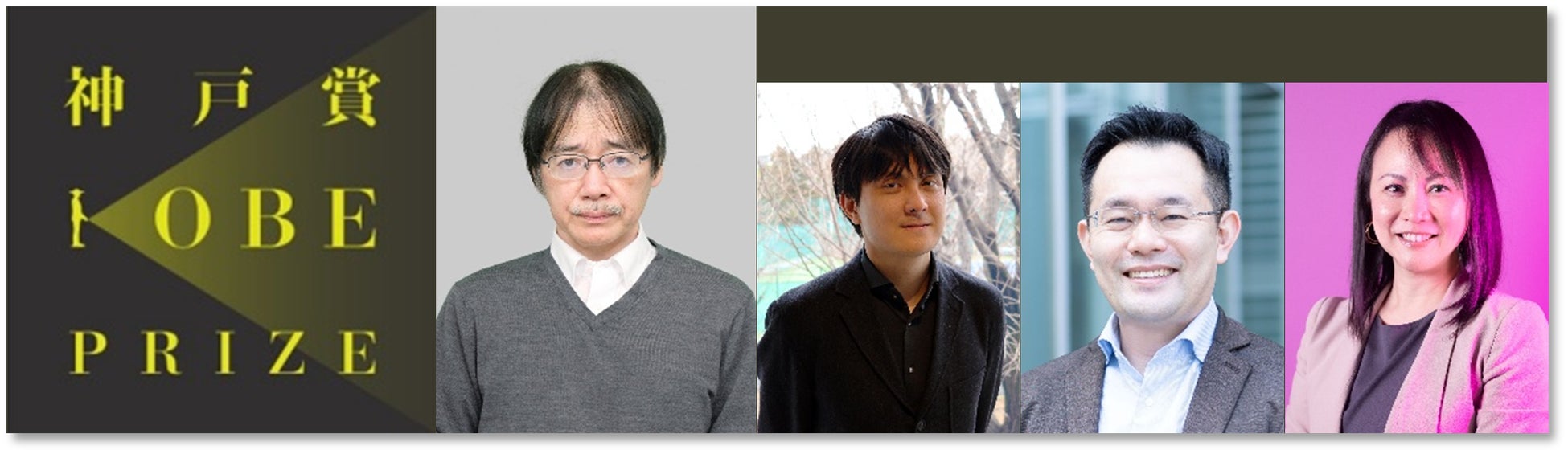
Atsushi Miyawaki
Research Title: Bioimaging Revolutionized by Exploring the Interaction of Light and Life
Kyogo Kawaguchi
Research Title: Pioneering Cross-Hierarchical Physics of Life Beginning with the Discovery of Topological Cell Dynamics
Toshinori Fujie
Research Title: Functionalization of Polymer Thin Films by Printed Electronics and Creation of Bio-Integrated Devices
Aya Takeoka
Research Title: Elucidation of the Neural Basis of Sensorimotor Transformation and Motor Memory Formation via Spinal Circuits
The "Kobe Award" is a new academic award that highlights outstanding and original researchers who have achieved results in the field of "BME (Bio Medical Engineering) - the interdisciplinary domain fusing life science and engineering" which is attracting attention as a field Japan will lead in the future, and young researchers with promising futures due to their unique research. This is the third announcement of awardees.
Furthermore, the 3rd Kobe Award ceremony will be held at the Kobe Portopia Hotel on May 31st. For the award ceremony, 300 general participants, including junior and senior high school students aspiring to be the next generation of scientists, will be recruited on a first-come, first-served basis. The ceremony will include special lectures by the awardees, a poster session by junior and senior high school students, and the "Kobe Award Salon" where participants can interact directly with the awardees.
■3rd Kobe Award Ceremony Overview
Date and Time: Sunday, May 31, 2026, 13:00-17:30 (Doors open at 12:00)
Venue: Portopia Hall, International Conference Center, Kobe Portopia Hotel
Capacity: 300 people (first-come, first-served; participation of junior and senior high school students is welcome)
Contents: Award Ceremony / Special Lectures by Awardees /
Poster Session (Research presentations by junior and senior high school students) /
Kobe Award Salon (Exchange event where you can talk directly with the awardees)

Application Method: https://grants.nakatani-foundation.jp/evt/260531/
Application Deadline: Friday, May 29, 2026
■Grand Prize Winner (1 recipient, Prize money 50 million yen, Supplementary prize: Trophy)
Name: Atsushi Miyawaki
Affiliation/Position: Team Director, Laboratory for Cell Function Dynamics, RIKEN Center for Brain Science
Research Title: Bioimaging Revolutionized by Exploring the Interaction of Light and Life
Reason for Award: Dr. Atsushi Miyawaki is a world authority who has pioneered research to "visualize events occurring in living organisms with light." Inside our bodies, molecules interact with each other and transmit information. However, this cannot be seen with the naked eye, let alone with ordinary microscopes.
Dr. Miyawaki improved "luminescent proteins" found in living organisms and developed "living sensors" that change color or emit light when specific phenomena occur in cells. He developed numerous genetically modified fluorescent proteins from various organisms, such as cameleon, Venus, StayGold from jellyfish, Dronpa, Fucci, mito-SRAI from coral, and UnaG from eels, and elucidated their principles. This made it possible to observe in real-time moments of cell activity, nerve signal transmission, and the progression of cell division. Furthermore, some of these are directly linked to medical applications, such as drug resistance screening for leukemia and other cancer cells (Fucci), autophagy screening for Parkinson's disease (mito-SRAI), and neonatal jaundice diagnosis (UnaG). In addition, to enable deep-tissue fluorescence observation, which was previously difficult, he developed Scale, a clearing reagent that suppresses light scattering while preserving fluorescence, establishing a technology that allows highly accurate deep-tissue fluorescence imaging simply by immersing samples in this reagent. As described above, Dr. Miyawaki's achievements are used worldwide as innovative visualization technologies and have greatly contributed to elucidating various life phenomena and disease mechanisms, including molecular dynamics, cell cycles, and neural activity. He is truly a researcher worthy of the phrase "Shining a Light on Originality," encompassing his originality, novelty, global impact, and contribution to human resource development.
■Young Investigator (Y.I.) Award Winners List
(3 recipients, Prize money 5 million yen, Supplementary prize: Research grant 40 million yen {5 years}, Trophy)
Name: Kyogo Kawaguchi
Affiliation/Position: Principal Investigator, RIKEN Center for Biosystems Dynamics Research
Research Title: Pioneering Cross-Hierarchical Physics of Life Beginning with the Discovery of Topological Cell Dynamics
Reason for Award: With the recent advancements in imaging and sequencing technologies, it has become possible to observe cell dynamics in biological tissues with high precision. Dr. Kyogo Kawaguchi has presented a new framework for quantitatively analyzing this data and understanding the behavior of cell populations.
In live imaging analysis of neural stem cells, he focused on singularities called "topological defects" corresponding to disturbances in cell orientation, and clarified that these function as centers for cell movement and tissue reorganization. Furthermore, in research on skin turnover, he discovered a feedback mechanism where defects caused by cell differentiation induce cell division in neighboring cells, demonstrating that tissue homeostasis is maintained by intercellular interactions. These studies provide a new perspective for quantitatively understanding the dynamics of cell populations, and their application to tissue formation and disease understanding is expected. Dr. Kawaguchi is promoting original research that fuses physics and life science, targeting scales from molecules to cell populations and tissues.
Name: Toshinori Fujie
Affiliation/Position: Professor, School of Life Science and Technology, Tokyo Institute of Technology
Research Title: Functionalization of Polymer Thin Films by Printed Electronics and Creation of Bio-Integrated Devices
Reason for Award: Dr. Toshinori Fujie is pioneering new medical technologies by combining soft polymer films with electronics to create bio-integrated devices that can precisely measure biological information.
He developed adhesive electrodes that can be comfortably worn on soft, moving parts of the body such as skin and joints, successfully measuring electromyographic potentials with high accuracy and elucidating the unique muscle usage of athletes. Furthermore, for brain measurement, electrodes suitable for the softness of the brain were required. Dr. Fujie developed thin-film electrodes that integrate with the brain surface and can record cortical potentials by combining polymer thin films and inkjet printing, demonstrating that potential recording and stimulation can be performed with higher precision than before. Moreover, these electrodes are expected to be applied to the diagnosis and treatment of epilepsy. He also developed a light-emitting device combining bioadhesive thin films and wireless power supply technology, and is advancing its application to photodynamic cancer therapy. In this way, Dr. Fujie is powerfully opening up new applications by fusing interdisciplinary fields of materials, electronics, and medical/healthcare.
Name: Aya Takeoka
Affiliation/Position: Team Director, RIKEN Center for Brain Science
Research Title: Elucidation of the Neural Basis of Sensorimotor Transformation and Motor Memory Formation via Spinal Circuits
Reason for Award: It is known that the central nervous system, consisting of the brain and spinal cord, is involved in phenomena such as the gradual recovery of motor function through rehabilitation after paralysis or spinal cord injury, and the long-term memory of motor skills once acquired, like "riding a bicycle."

However, the underlying neural circuit mechanisms have not yet been elucidated. Dr. Aya Takeoka has opened a breakthrough in this area. Dr. Takeoka directly tackled the spinal cord, a difficult area of research, and experimentally showed that "proprioception," the sense of limb position and movement that the body can perceive even with eyes closed, is key to neural circuit reorganization and walking recovery after injury. Furthermore, she developed a single-cell electrophysiological recording technique within the spinal cord that can be measured in awake mice, revealing that spinal cord cells play differentiated roles in the process of motor skill acquisition and execution, and demonstrating that the spinal cord also plays an information processing role involved in learning and memory. She is pursuing extremely challenging themes with high drive, aiming to establish treatments for motor disorders, and contributing to enhancing the presence of Japanese neuroscience research.
■Y.I. Award Finalists (Speakers at the Y.I. Award Selection Symposium)
The Y.I. Award is given to identify and support promising young researchers.
At the Y.I. Award Selection Symposium, held with 7 finalists, lively discussions followed each presentation. We introduce the Y.I. Award finalists here and honor their achievements.

|
Affiliation/Position |
Name |
|---|---|
|
Principal Investigator, RIKEN Center for Biosystems Dynamics Research |
Kyogo Kawaguchi |
|
Professor, School of Life Science and Technology, Tokyo Institute of Technology |
Toshinori Fujie |
|
Team Director, RIKEN Center for Brain Science |
Aya Takeoka |
|
Associate Professor, Imperial College London |
Jun Ishihara |
|
Principal Investigator, RIKEN Center for Biosystems Dynamics Research |
Shintaro Iwasaki |
|
Professor, Graduate School of Engineering, Osaka University |
Kenjiro Fukuda |
|
Associate Professor, Graduate School of Pharmaceutical Sciences, Tohoku University |
Akiko Ogawa |
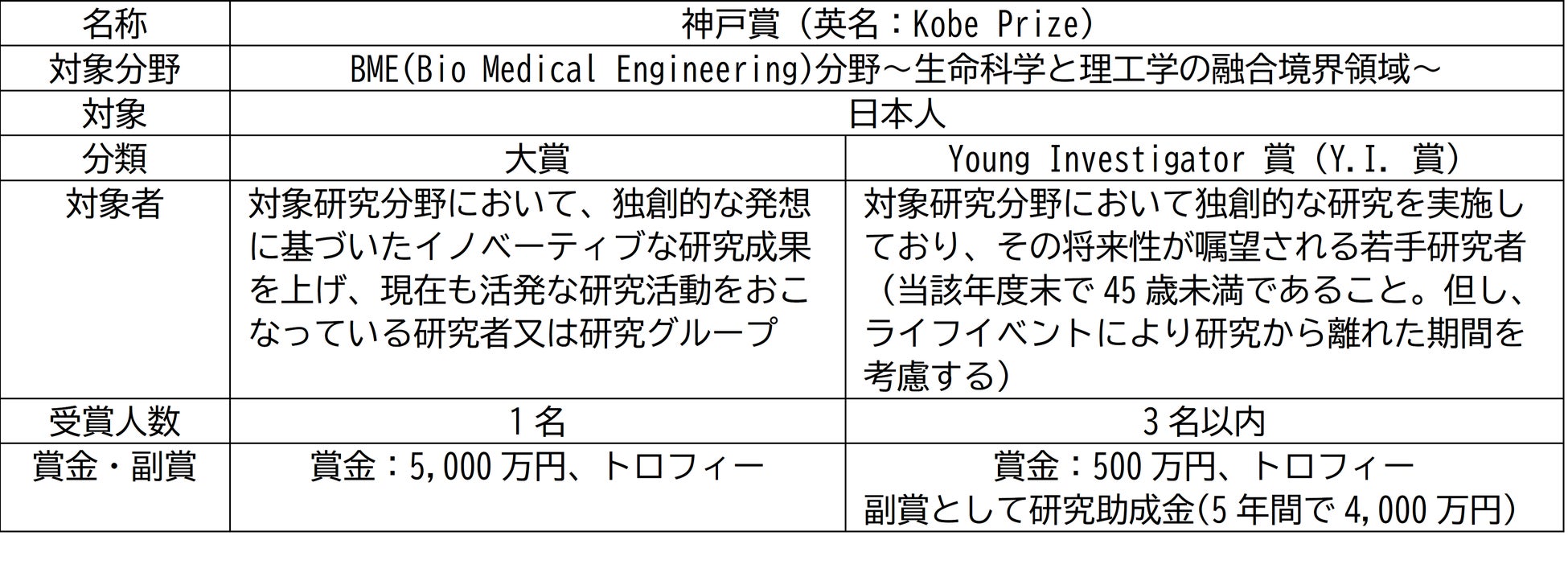
■"Kobe Award" Overview
■"Kobe Award" Judging Committee List
[Chairperson of the Judging Committee]
Masashi Yanagisawa (Director and Professor, International Institute for Integrative Sleep Medicine, University of Tsukuba)
[Vice Chairperson of the Judging Committee]
Seiji Ogawa (Professor, Department of Tumor Biology, Graduate School of Medicine, Kyoto University)
[Judging Committee Members]
Seiko Kinoshita (Deputy Director and Professor, Institute for Glyco-core Research, Soka University)
Michinori Saito (Professor, Institute for the Advanced Study of Human Biology (ASHBi), Kyoto University)
Toshiro Sato (Professor, Department of Biochemistry, Keio University School of Medicine)
Takao Someya (Professor, Department of Electrical Engineering and Information Systems, Graduate School of Engineering, The University of Tokyo)
Yasuhiko Tabata (Specially Appointed Professor, Department of Plastic and Reconstructive Surgery, Graduate School of Medicine, Kyoto University)
Fumi Nagatsugi (Professor, Department of Organic and Life Science, Institute of Multidisciplinary Research for Advanced Materials, Tohoku University)
Osamu Nureki (Professor, Department of Biological Sciences, Graduate School of Science, The University of Tokyo)
Akiko Hayashi (Team Director, Laboratory for Multi-layered Mental Disorders, RIKEN Center for Brain Science)
Kenya Honda (Professor, Department of Microbiology and Immunology, Keio University School of Medicine)
Yoshiko Miura (Professor, Department of Chemical Engineering, Faculty of Engineering, Kyushu University)
Yusuke Mori (Professor, Department of Electrical and Electronic Engineering, Graduate School of Engineering, Osaka University)
■Scenes from the 2nd Kobe Award Ceremony
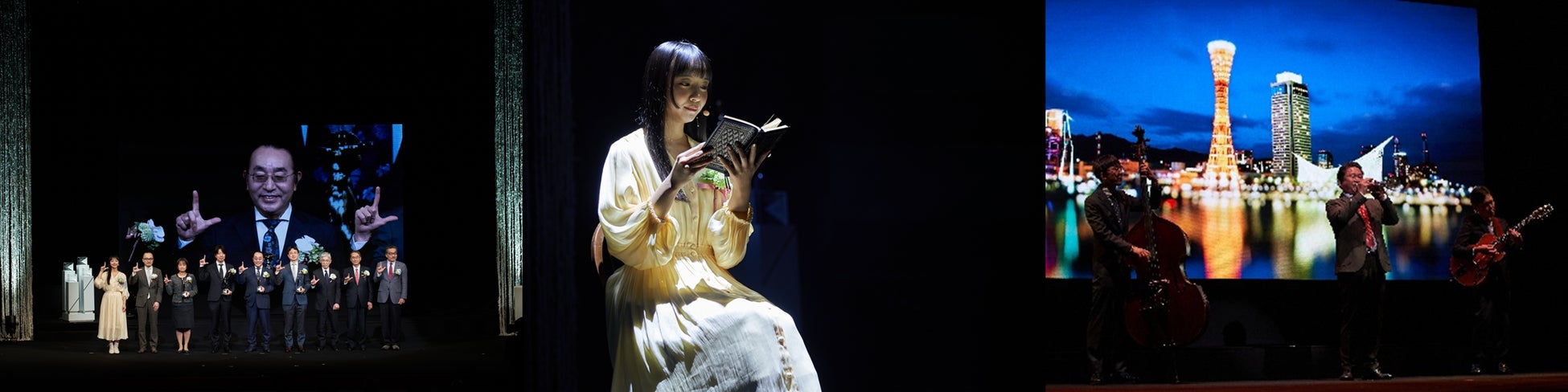
The "2nd Kobe Award Ceremony" was a moving ceremony where the passion of researchers who will lead the next generation and hopes for the future resonated. On May 25, 2025, the award ceremony held at the Kobe Portopia Hotel began brilliantly with a reading of "The Spirit of the Foundation" by Suzu Yamanouchi, a native of Kobe who serves as an ambassador, and a live performance of the jazz classic "Smile."
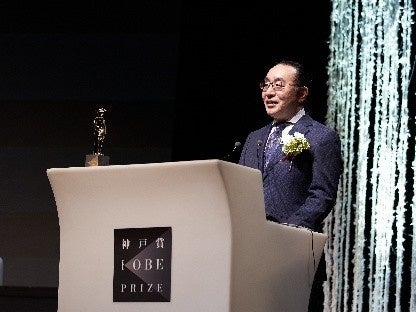
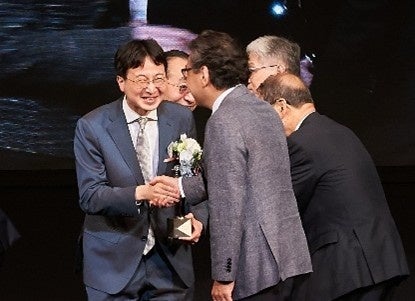
Professor Hiroaki Suga of the University of Tokyo was selected for the "Grand Prize," the highest award. Professor Suga ascended the stage through a path of light and was presented with a trophy symbolizing his original research. In his acceptance speech, he delivered powerful words that struck at the essence of "originality" championed by the Kobe Award: "My research was once called unorthodox because it was too original, but 'unorthodox' transforms into 'cutting-edge' the moment it is recognized. Only the unorthodox can become cutting-edge." These words deeply moved the audience.
Three professors, Nozomi Taniuchi, Yasuhiro Murakawa, and Mako Kamiya, were selected for the "Young Investigator (Y.I.) Award" for young researchers. Professor Masashi Yanagisawa, the chairperson of the judging committee, revealed the unique selection process, where the final judging was conducted in a discussion format among the candidates. The three awardees, expressing gratitude to their families and colleagues, renewed their determination as researchers, stating, "Having my research recognized will be a great source of encouragement for the future."
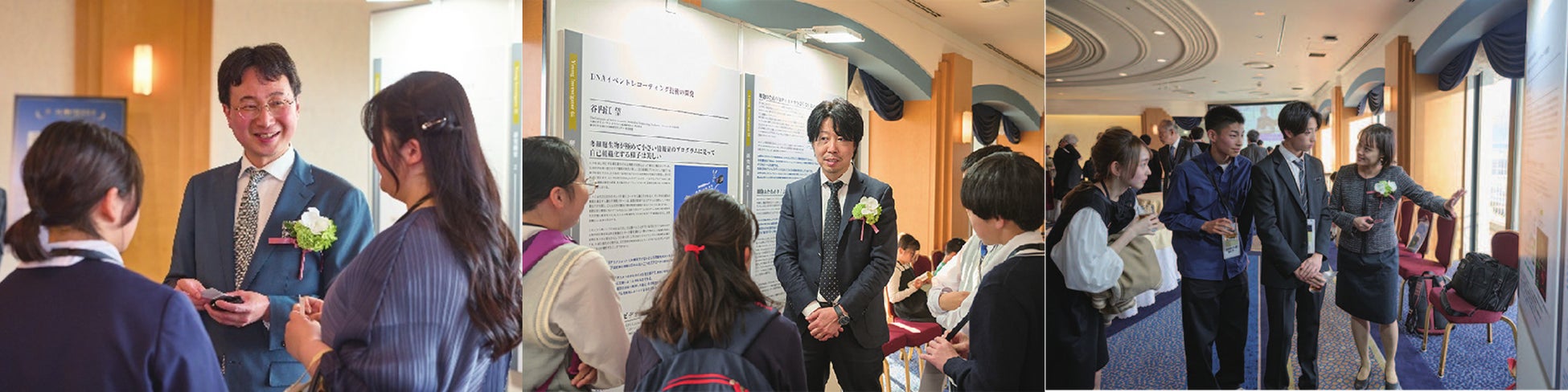
Approximately 30 junior and senior high school students, who are also engaged in research activities, participated in this award ceremony. During the Q&A session after the awardee presentations, students asked advanced questions seeking advice on social implementation challenges and research, and leading researchers sincerely answered the questions of these future scientists.
At the "Kobe Award Salon" exchange event after the award ceremony, a friendly atmosphere prevailed, with awardees casually encouraging junior and senior high school students by saying, "Isn't it fun to think that your research might rewrite textbooks?" The Kobe Award, where original intellect is passed on to the next generation, is truly a new light driving innovation in Japan.
■Public Interest Incorporated Foundation Nakatani Foundation Overview■
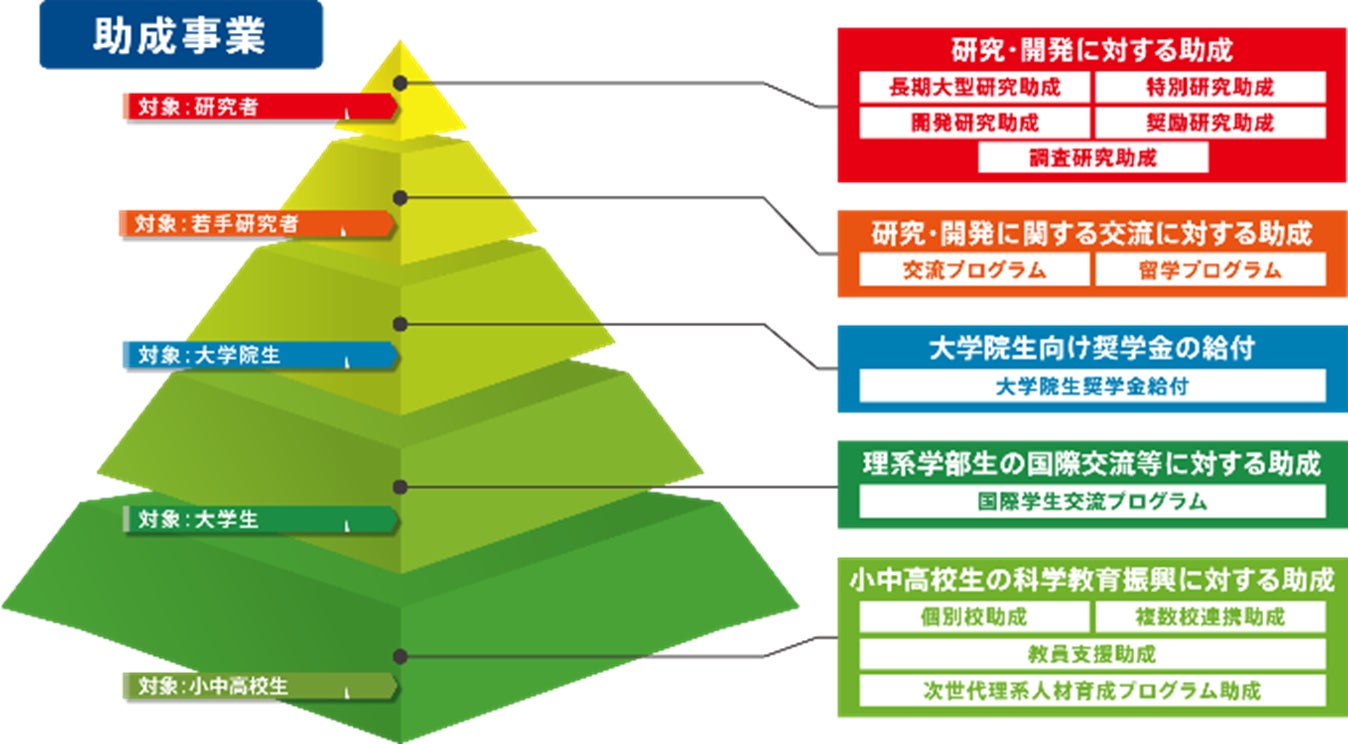
The Nakatani Foundation was established in 1984 as the "Nakatani Electronic Measurement Technology Promotion Foundation" by the late Taro Nakatani, founder of Sysmex Corporation, a clinical testing equipment and reagent manufacturer based in Kobe. Following the legacy of his son, the late Tadashi Nakatani, the foundation expanded in 2012 and transitioned to a public interest incorporated foundation in the same year, becoming the "Public Interest Incorporated Foundation Nakatani Medical and Engineering Measurement Technology Promotion Foundation." Since then, with the desire for broad development in the field of medical and engineering measurement technology, it has conducted projects such as grants for pioneering technological development, commendations for researchers who have made remarkable achievements in technological development, and grants for exchanges related to technological development.
Since 2014, to foster young talent, it has provided scholarships for graduate students, support for short-term study abroad for university students, and to broaden its reach, grants for science education promotion targeting elementary, junior, and senior high school students, thus realizing support for a wide range of age groups. In this way, it has become one of Japan's leading unique foundations that comprehensively develops projects from researchers to elementary, junior, and senior high school students. In 2024, it celebrated its 40th anniversary, expanded its grant fields to BME, and established the new award program "Kobe Award." Furthermore, on November 1st of the same year, it changed its name to "Public Interest Incorporated Foundation Nakatani Foundation," taking a new step forward.
Name: Public Interest Incorporated Foundation Nakatani Foundation
English Name: Nakatani Foundation
Established: April 1984
Chairman: Hiroshi Yatomi
Location: 8F Art Village Osaki Central Tower, 1-2-2 Osaki, Shinagawa-ku, Tokyo 141-0032
Purpose: To promote research and development, exchange, etc., in the field of "BME (Bio Medical Engineering) - the interdisciplinary domain fusing life science and engineering" and to foster human resources, thereby promoting the broad development of the BME field and contributing to the development of Japan and the international community, and the improvement of living standards.
URL: https://www.nakatani-foundation.jp/