"Minerals from the Source to Your Table." 'Eating Mineral Lab' Opens
Restaurant 'Eating Mineral Lab' to explore minerals starting from clay, opens in Yamagata on September 1, 2026, Clay Day.
📋 Article Processing Timeline
- 📰 Published: April 2, 2026 at 00:30
- 🔍 Collected: April 1, 2026 at 16:47
- 🤖 AI Analyzed: April 17, 2026 at 10:18 (377h 30m after Collected)
This press release is the dream of KURUMU Co., Ltd.
KURUMU Co., Ltd. (Headquarters: Edogawa-ku, Tokyo; Representative: Taira Tezuka), which develops the skincare brand "KURUMU" primarily using montmorillonite, dreams of utilizing the potential of clay to contribute to the realization of a sustainable society, as clay can be useful in various aspects of people's lives.
To achieve this dream, on September 1, 2025, we will open a restaurant 'Eating Mineral Lab' within Yamagata Prefecture to explore and disseminate the possibilities of minerals, including clay (clay minerals), from the perspective of 'food.'
Why Eating Mineral Lab?
When life originated from the sea, the minerals in the ocean became the basis of our bodies.
Calcium and phosphorus that form bones, magnesium and zinc that activate enzymes – the minerals that power our bodies are originally derived from terrestrial minerals.
Plants absorb minerals by dissolving them from the soil, and we receive them by eating plants. However, it is said that this circuit has become narrower in modern diets.
Animals have always known this. Elephants and wild boars eat clay in search of minerals. Macaws peck at clay walls. There are cultures around the world where pregnant women eat clay. Living beings instinctively obtain minerals from minerals.
The Clay Science Laboratory, the origin of KURUMU, has been a specialist in clay for 50 years.
For feed, soil improvement, skincare…
Clay has supported human life in various fields. We are the ones who have researched this material for many years.
We are not food professionals. That is precisely why we named it 'Lab.' (Research Institute).
We will create it by posing questions together with chefs, farmers, and nutrition experts. A place to think about the relationship between minerals and the body while enjoying delicious food.
That is 'Eating Mineral Lab.'
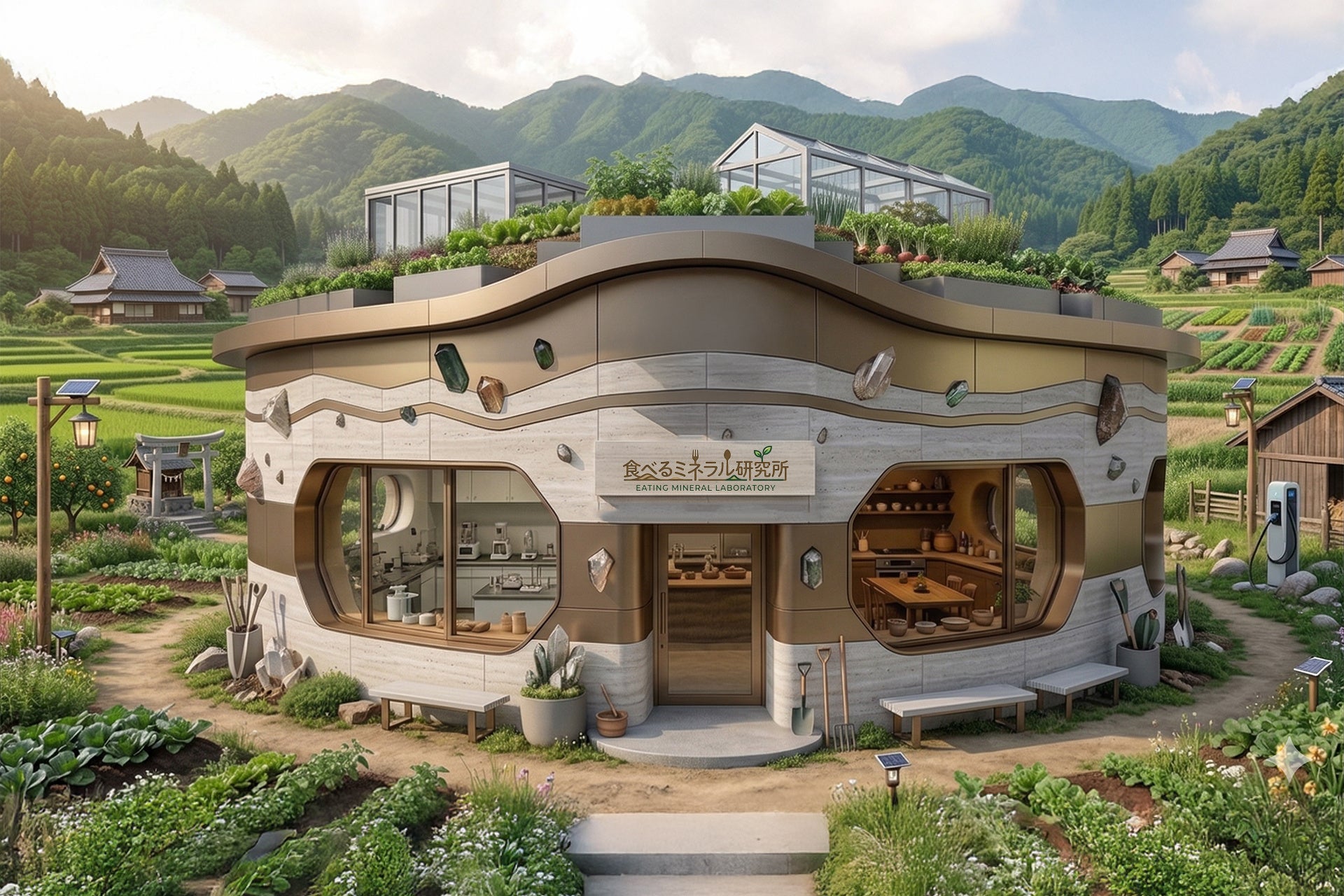
About 'Eating Mineral Lab'
◆ Concept
As the name 'Lab' suggests, this facility is not only a place to serve food but also a place to think about clay and minerals.
The knowledge of chefs, nutrition researchers, farmers, and the Clay Science Laboratory will intersect, exploring clay from three perspectives: 'culinary ingredient,' 'mineral source,' and 'foundation (terroir).'
◆ Contents
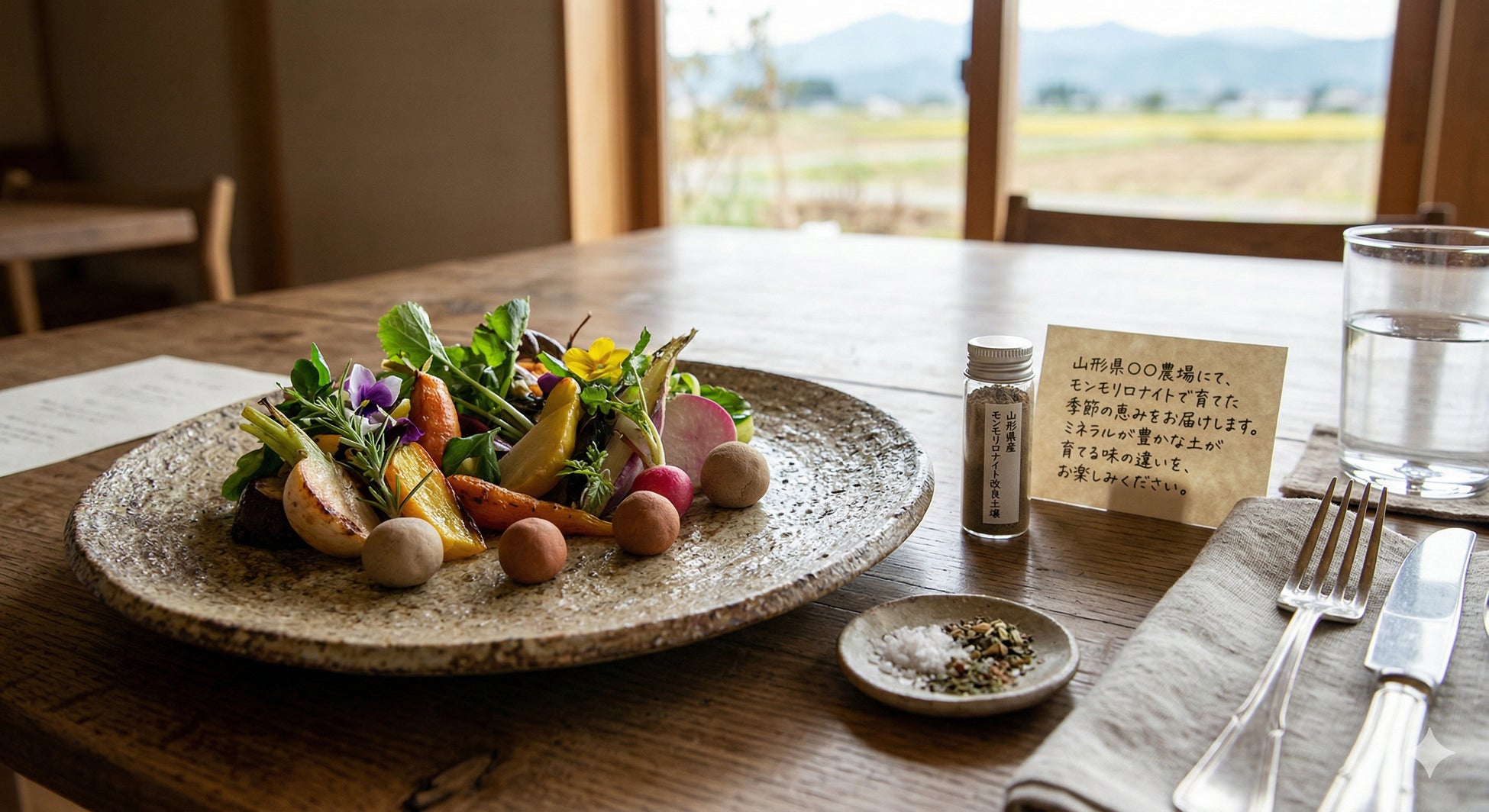
Seasonal Course Menu Featuring Vegetables Grown in Clay Soil
A seasonal course featuring vegetables grown on farms in Yamagata Prefecture that have undergone soil improvement with montmorillonite. Guests will experience the difference in taste brought about by mineral-rich soil, right at their dining table.
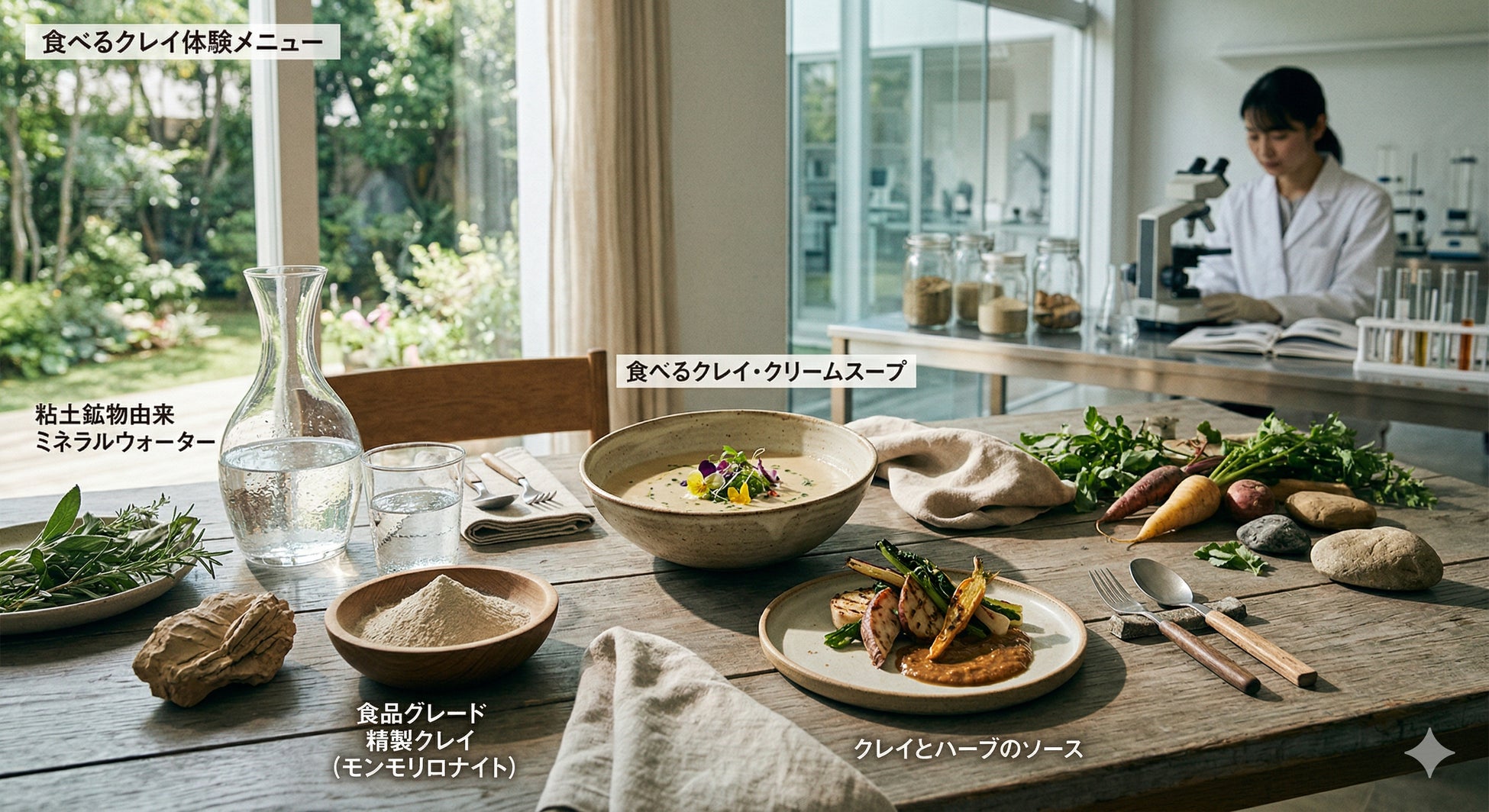
Edible Clay Experience Menu
We will research and offer menus that directly incorporate clay as an ingredient, such as soups and sauces made with food-grade purified clay, and mineral water derived from clay minerals. We aim to pioneer the possibilities of clay-based cuisine from both safety and culinary technology standpoints.
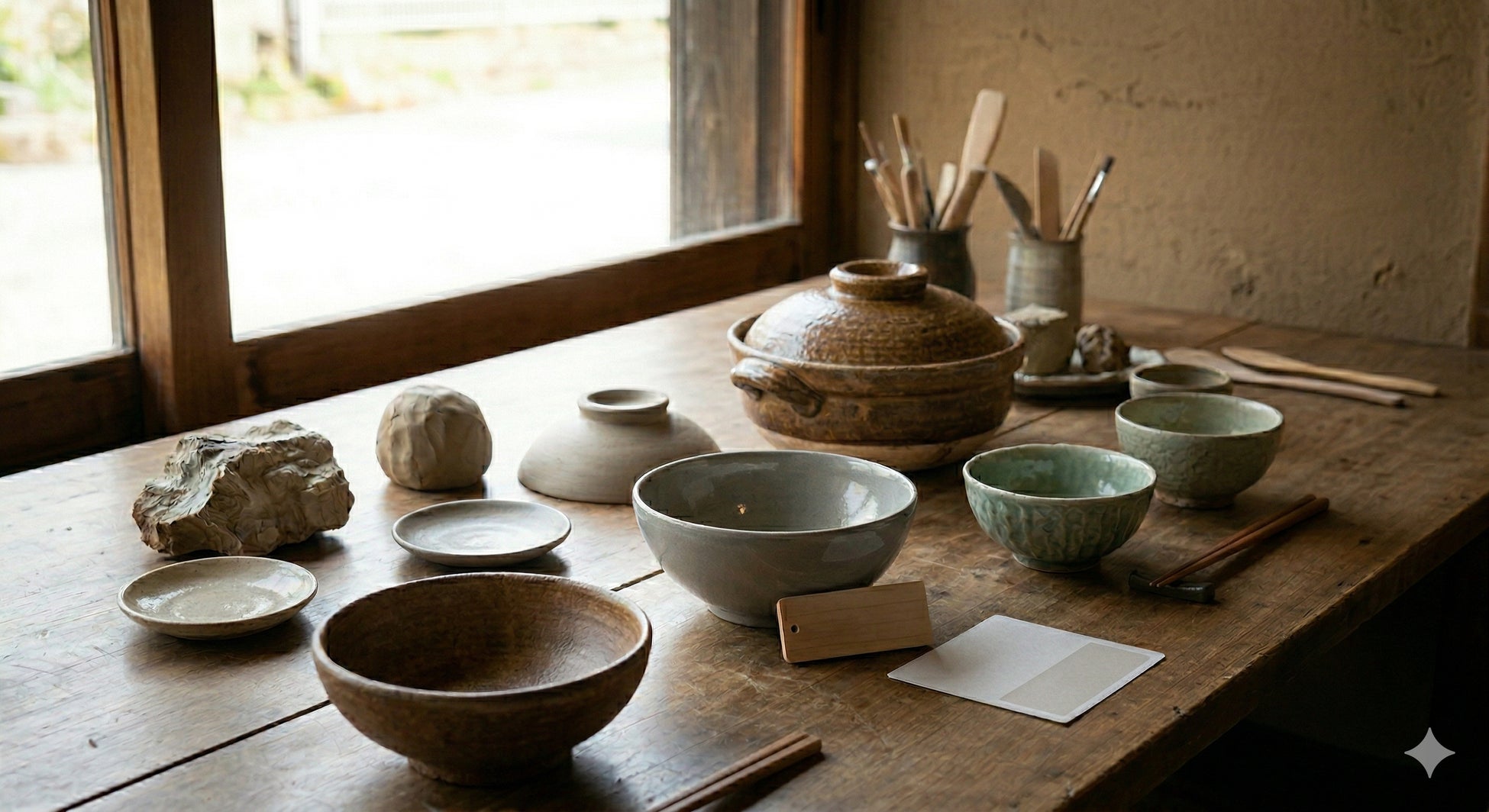
Dining with Mineral Utensils
Ceramics and clay pots are both made from clay. What we call 'utensils' are originally minerals. We carefully select pottery and clay pots from specific regions to create a dining table where minerals circulate. Furthermore, developing original tableware made from montmorillonite is one of our dreams. We aim for a dining experience where one can feel minerals from the tableware itself.
◆ Mineral Pairing
We will provide cards explaining the mineral profile for each dish, offering a dining experience that allows guests to learn about the relationship between clay-derived minerals and the body from a nutritional perspective.
Why Yamagata?
Yamagata Prefecture is one of Japan's leading producers of montmorillonite, and it is a region where the Clay Science Laboratory has maintained long-term partnerships for material sourcing and research.
It is a place where the rich agricultural culture, food traditions, and the fact that 'minerals create soil' can be experienced in a grounded manner. Inviting people to the 'origin' of clay in the form of a restaurant is the essence of this dream.
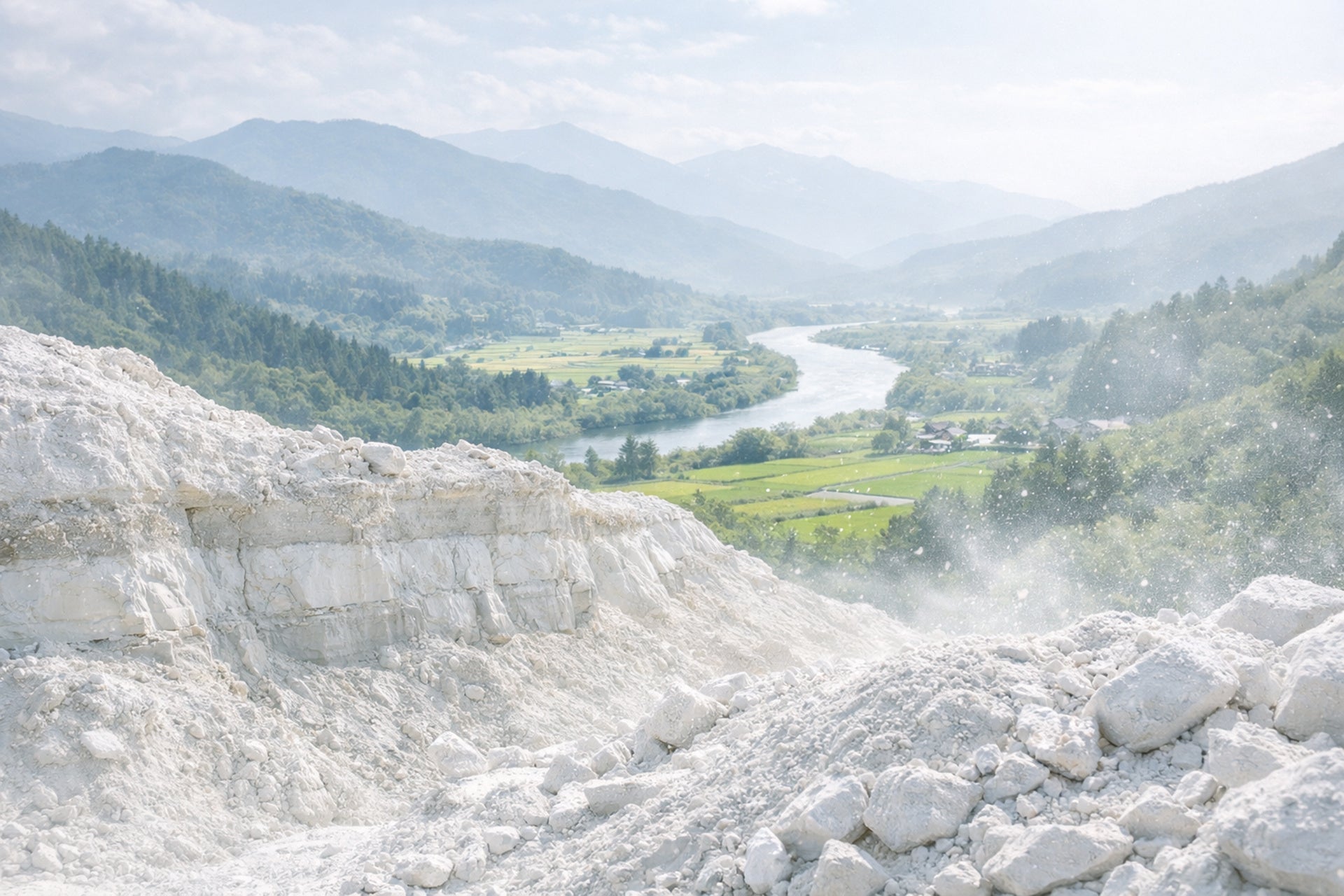
KURUMU and the Dream of Clay
Through events like the CLAYTOPIA festival and POPUP events, KURUMU has conveyed "Clay is interesting," nurturing clay not just as a material but as a culture.
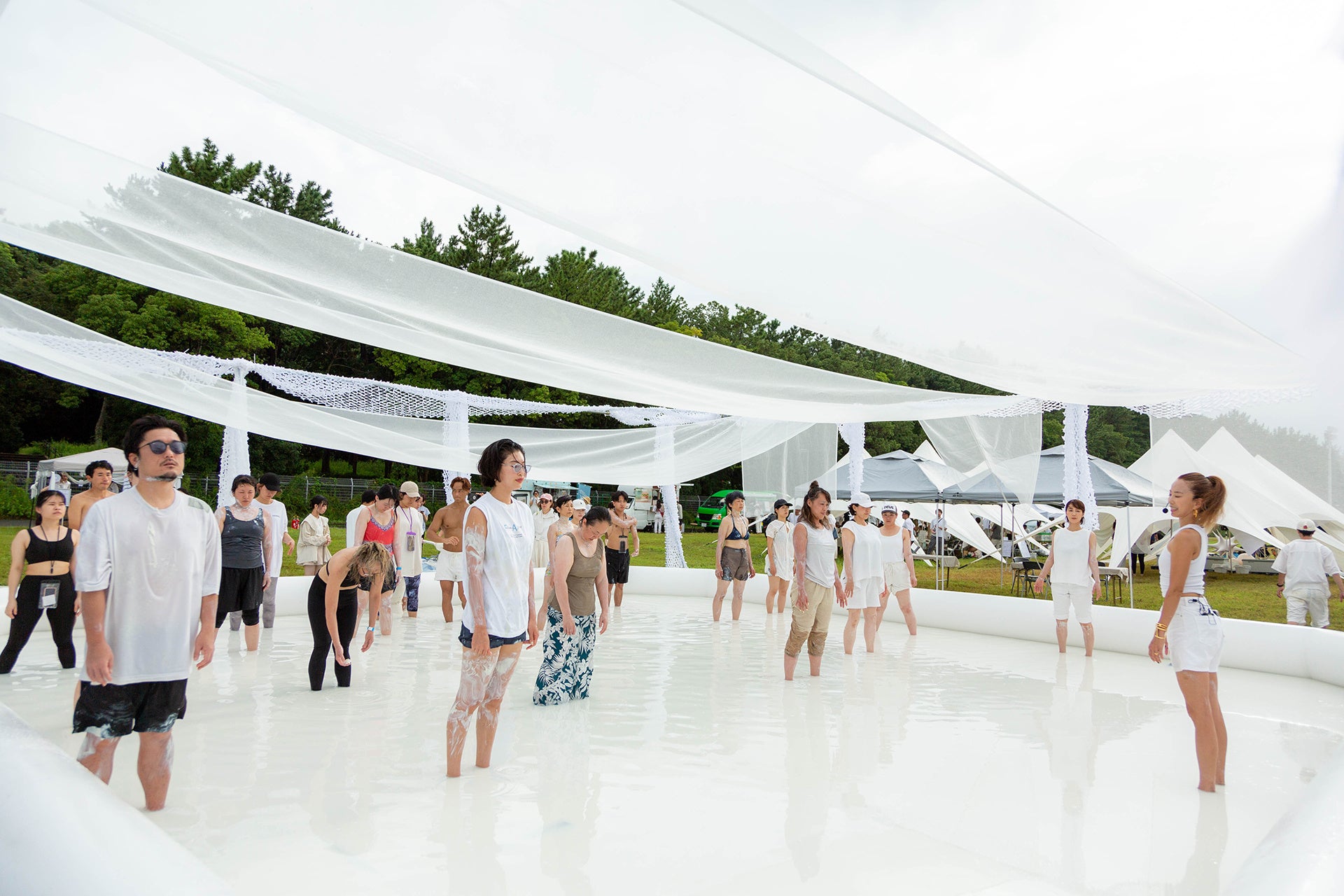
Last year's April Dream, we announced the dream of 'NENTOHI,' a lodging facility that integrates clay into all aspects of life: clothing, food, housing, beauty, and leisure. We depicted the experience of 'living' with clay.
"The Power of Clay in All Aspects of Life: Clothing, Food, and Shelter" Hotel 'NENTOHI' Opens, Offering an Experience of Living with Clay
This year's dream is to 'Eat.' A key step towards realizing this is 'Eating Mineral Lab.'
We are serious about making this dream a reality.
What is Clay?
Clay is a type of mineral (stone), also known as mud or clay. Among minerals, it has the finest particles and possesses the power of adsorption, meaning it can hold onto various substances.
Historically, Cleopatra is said to have used it for beauty. Even today, it is used in cosmetics such as clay packs and for clarifying wine.
Furthermore, it is also attracting attention for its effectiveness in environmental issues, such as soil improvement and adsorption of red tide.
Clay and SDGs
In recent years, with the spotlight on SDGs and environmental issues, the skincare industry is paying attention to the environmental impact of substances like surfactants and UV scattering agents. Clay has the power to replace these.
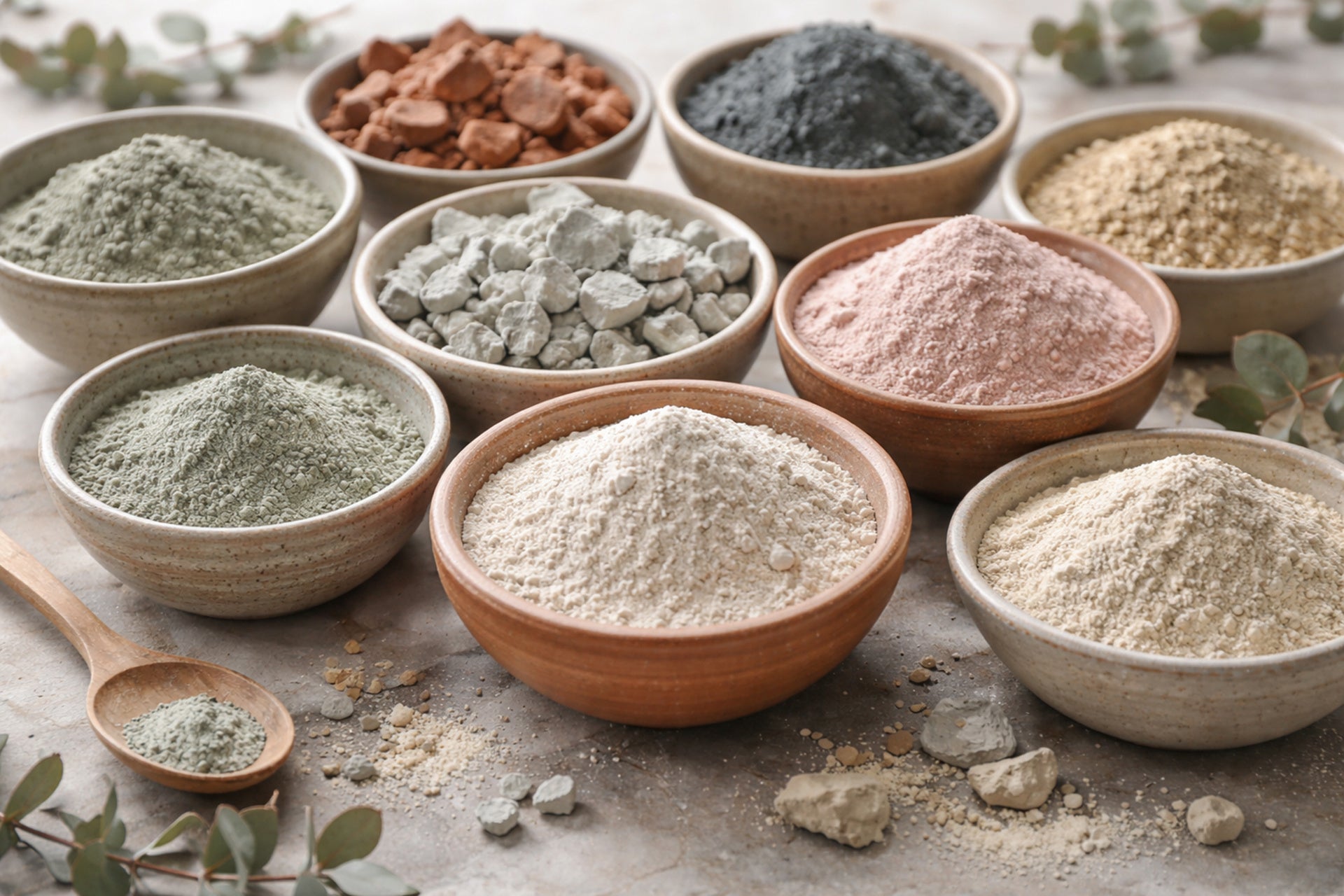
Specifically, the following SDGs are related to clay:
SDG 12: "Responsible Consumption and Production"
SDG 13: "Climate Action"
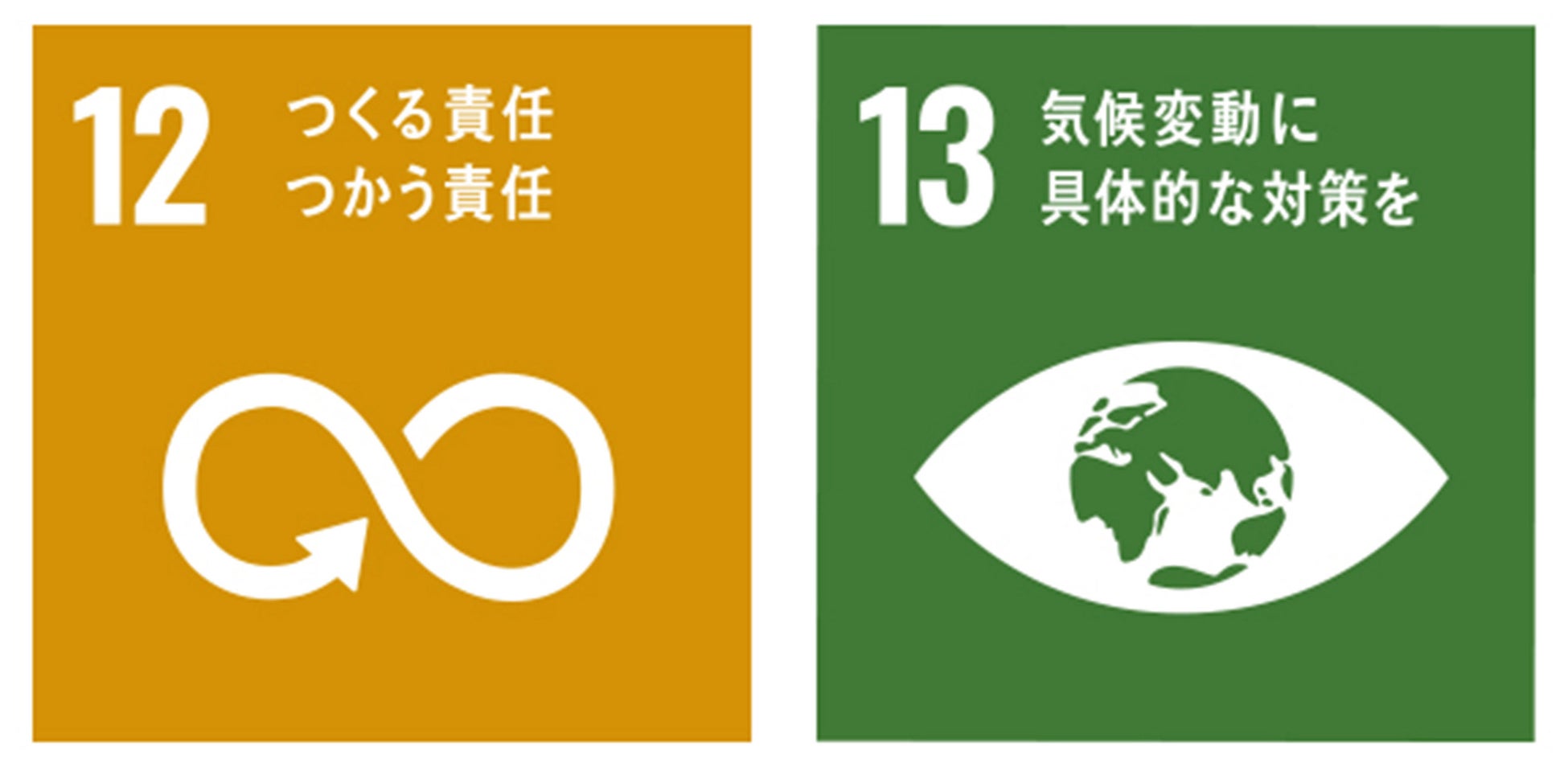
These are related to the environmental protection aspects of using clay.
Firstly, clay does not cause environmental burden for the following reasons:
① It is refined by methods such as elutriation (particle separation by water) after being dug from the earth, with no chemical treatment.
② It exhibits various effects due to its unique crystal structure and is composed of minerals commonly found on Earth.
③ It is actually used in food products and environmental countermeasures.
Furthermore, clay suggests positive environmental impacts.
Water Quality Improvement through Heavy Metal Adsorption
Clay's adsorption is effective not only for water and oils but also for heavy metals, purifying water and remediating soil contamination.
CO2 Reduction through Soil Improvement
Soils rich in clay significantly contribute to plant growth. Additionally, by absorbing more CO2 into the soil and slowing its release into the atmosphere, it leads to CO2 reduction.
Store Overview
Facility Name: Eating Mineral Lab
Address: Within Yamagata Prefecture (details to be announced at opening)
Scheduled Opening: September 1, 2026
Style: By reservation only, small groups. Planned to participate as 'researchers' who collaborate on clay and food research.
Operating Company Overview
KURUMU Co., Ltd.
KURUMU was born as an original brand of the Clay Science Laboratory, a pioneer that has been creating skincare products based on the domestic clay "montmorillonite" since 1965.
We engage in activities to let many people experience "Montmorillonite is interesting" through skincare.
https://montmorillonite.jp/
"April Dream" is a PR TIMES initiative where companies announce their future dreams on April 1st.
FAQ
When and where will 'Eating Mineral Lab' open?
It is scheduled to open on September 1, 2026, in Yamagata Prefecture. Details will be announced at the time of opening.
Why eat 'clay'?
Clay is a source of minerals and is deeply related to the origin of life. This restaurant will safely and deliciously serve clay as a culinary ingredient and mineral source.
What is the concept of this restaurant?
To explore and disseminate the potential of clay and minerals from the perspective of 'food.' It aims to be a place to consider the relationship between minerals and the body, collaborating with chefs, farmers, and nutrition specialists.