A Quarter of Crops Are Lost Before Harvest. We Want to Eliminate 'Invisible Food Loss' with AI.
Mirai Saien aims to eliminate pre-harvest crop loss, known as 'invisible food loss,' using AI, thereby realizing sustainable agriculture.
📋 Article Processing Timeline
- 📰 Published: April 1, 2026 at 17:50
"April Dream" is a project by PR TIMES where companies announce dreams they wish to achieve on April 1st. Mirai Saien Co., Ltd. is seriously committed to realizing this dream.
"Medicine is too late once symptoms appear" - this isn't just about human health management. It's the same for crops. Even if pesticides are sprayed after damage from pests and diseases has occurred, the commercial value cannot be restored.
Mirai Saien Co., Ltd. (Headquarters: Showa-ku, Nagoya; Representative Director: Tomofumi Hatakeyama; hereinafter "Mirai Saien"), an agri-tech startup originating from the University of Tsukuba, is directly tackling the dream of bringing farmers' business risks to zero by having AI deliver alerts "before" pests and diseases occur.
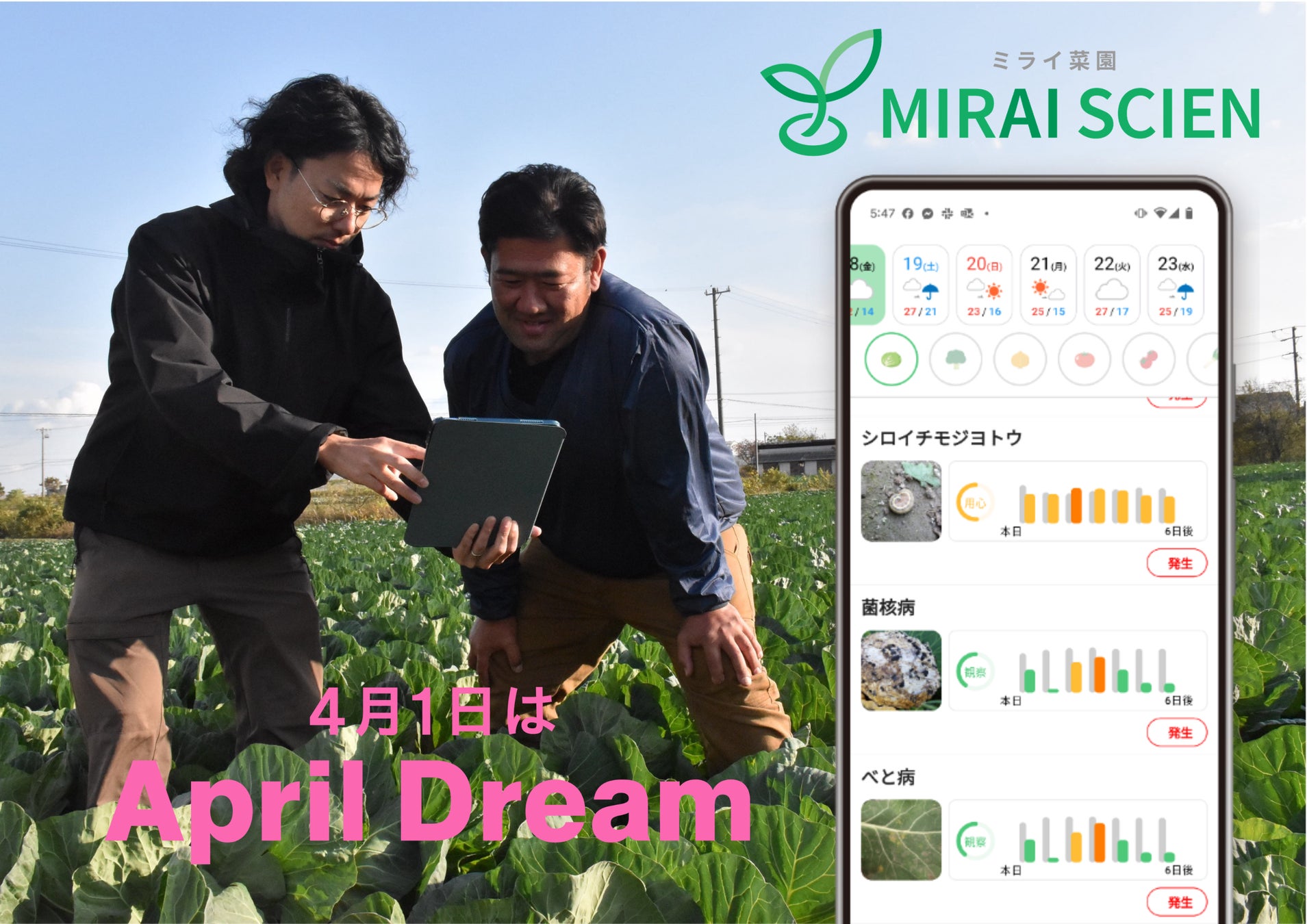
■ "Field Food Loss" - A Greater Agricultural Loss Problem Than at the Consumption Stage
Amid growing interest in reducing food loss, there is a more serious and lesser-known loss problem in agriculture. According to FAO reports and related research, major global crops lose 10-40% of their yield due to pests and diseases, with an average of about a quarter being damaged before harvest. Mirai Saien defines this as "field food loss."
Estimates of pest and disease damage to agricultural products in Japan amount to approximately 7 million tons annually. This scale surpasses generally recognized food loss (approximately 4.6 million tons), yet societal awareness remains largely undeveloped.

Furthermore, climate change makes pest and disease outbreaks increasingly unpredictable year by year. Aphids, a pest that would typically be controlled in March, might have a massive outbreak in February, or stink bugs might occur at 80 times the usual scale in Ehime Prefecture in 2024. It has become difficult to respond to such abnormal outbreaks with only a "control calendar" (conventional pesticide spraying schedule).
■ Too Late After Damage Occurs. Protecting Crops with "Preventive Control"
Once crops are damaged by pests and diseases, spraying pesticides will not restore them. Agricultural products that have lost their commercial value must be discarded, resulting in significant losses for farmers. Once yield is lost, it cannot be recovered in that season.
The solution is to "implement preventive control before damage occurs" - this is the starting point of Mirai Saien's efforts and the message we want to deliver to all farmers.
■ AI Doctor App "TENRYO"
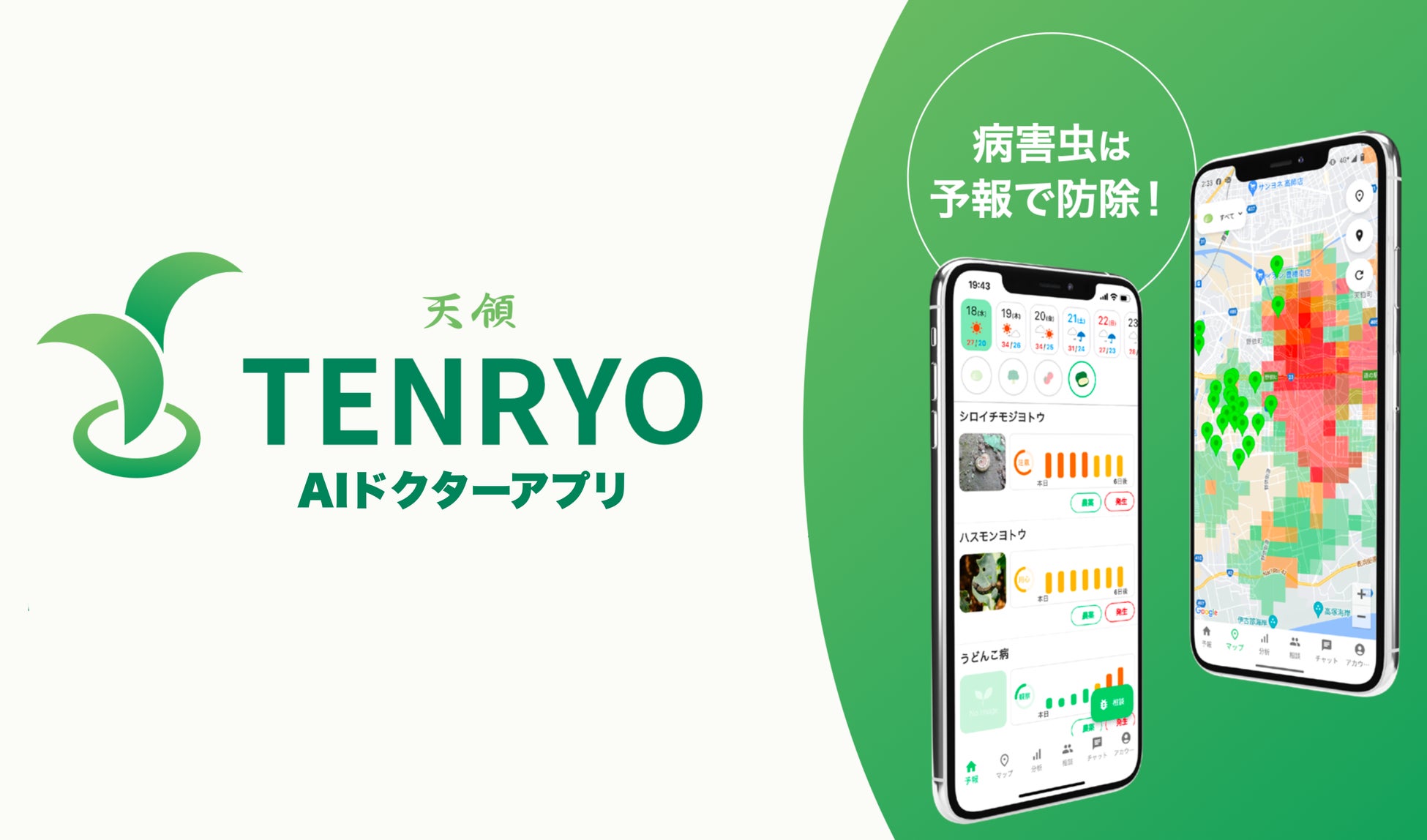
"TENRYO," developed by Mirai Saien, is a pest and disease prediction app where a proprietary AI, trained on 20 years of weather data and pest outbreak history, analyzes recent weather data and other factors. It provides alerts one week in advance about the risk of outbreaks.
It also considers the effects of abnormal weather, such as warm winters, in real-time, and has a track record of preventing damage by issuing three alerts in the middle of winter (described later). By achieving control at the "optimal timing, neither too late nor too early," it simultaneously maximizes pesticide effectiveness, reduces spraying frequency (labor saving), and stabilizes yields.
※TENRYO currently holds 6 patents, including prediction technology

■ Practical Implementation at JA Toyohashi - Achieving JA Group's First Full AI Switch
TENRYO has already been introduced (including trial operations) to JAs and agricultural corporations in Aichi, Ehime, Gunma, Hokkaido, and Kyoto. At JA Toyohashi in Aichi Prefecture, all agricultural advisors have been using TENRYO for pest control guidance since 2025. As AI forecasts have reached a sufficiently practical accuracy, they fully switched from pheromone traps (devices that capture pests with attractants to survey their numbers) to TENRYO's AI prediction in the same year.
This is the first such case for the JA Group and has been featured in the national edition of the Japan Agricultural News. This switch reduced pheromone trap-related work time by approximately 90%. The freed-up time can now be dedicated to tasks requiring face-to-face communication, such as individual visits to farmers.
■ Expanding to 23 Items - Forecasts "Usable for My Crops" for Farmers Nationwide
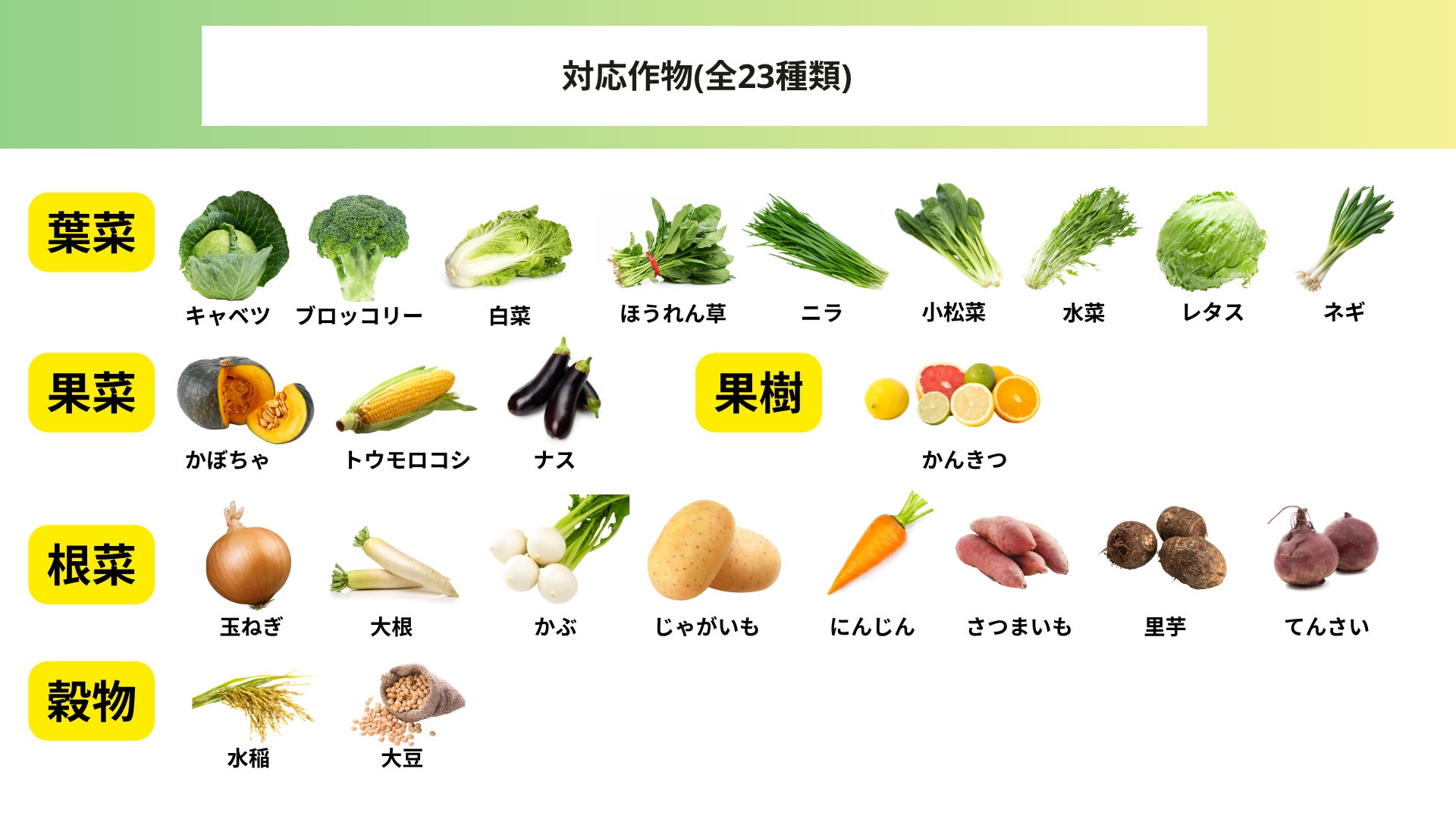
One significant evolution of TENRYO is the expansion of supported crop items. Steadily broadening its coverage since its service launch in 2024, it has significantly expanded from 9 items last spring to 23 items this spring (including cabbage, broccoli, onions, rice, and citrus fruits).
This means that TENRYO's predictions can now be delivered to farmers who previously hesitated to adopt it because it "didn't support the crops they grow."
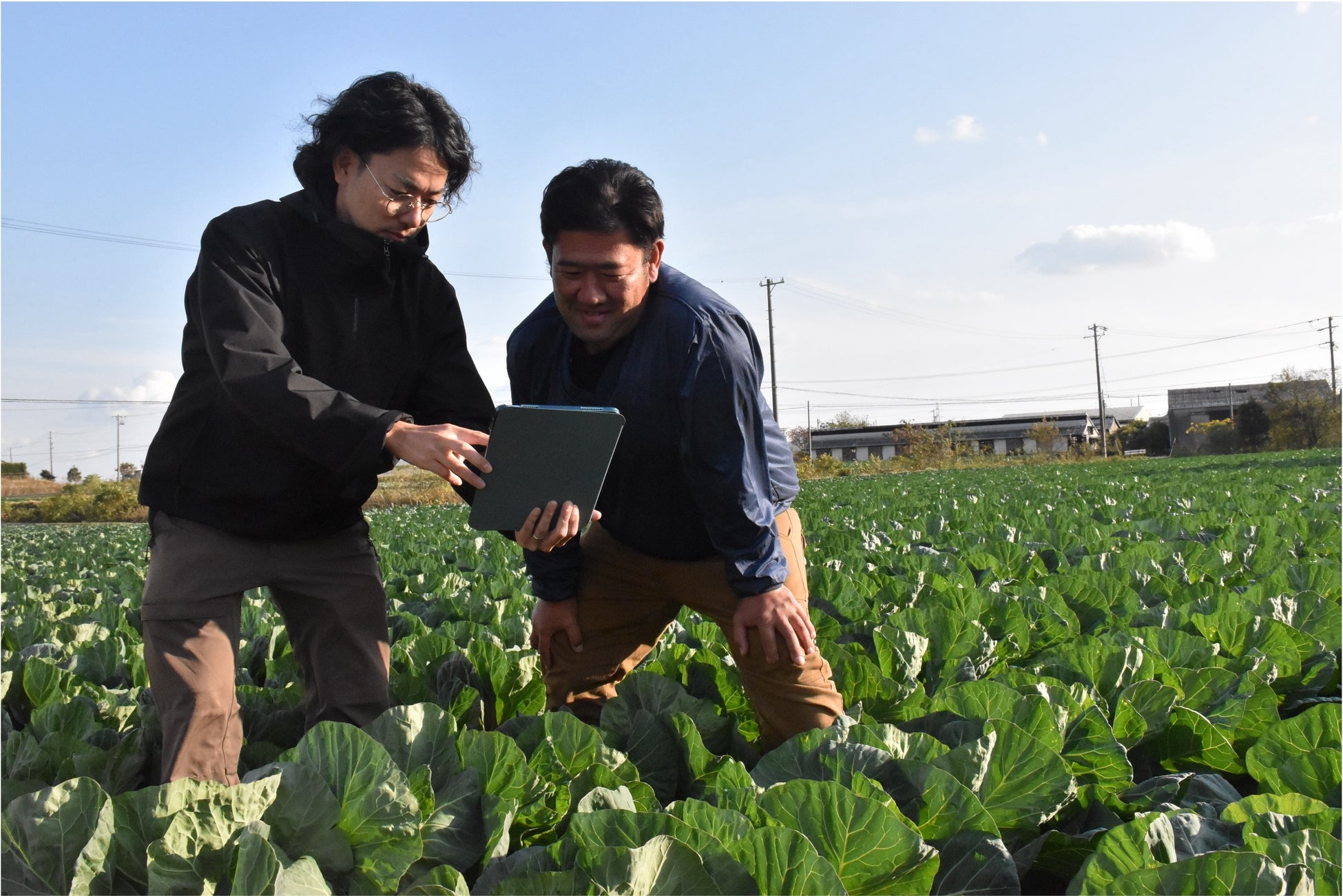
【Origin of Mirai Saien's Founding】 Quit a Major Electronics Manufacturer, Trained as a Strawberry Farmer
Representative Tomofumi Hatakeyama was originally an engineer with no connection to agriculture. He earned a Ph.D. in robotics from the University of Tsukuba and was involved in infrastructure system development at a major electronics manufacturer.
The turning point came when he saw the changing landscape of his local tea fields. Once beautiful tea fields were becoming abandoned farmland or being converted into factories. Feeling this sadness, he decided to use his technology to protect the primary industry and founded Mirai Saien in 2019.
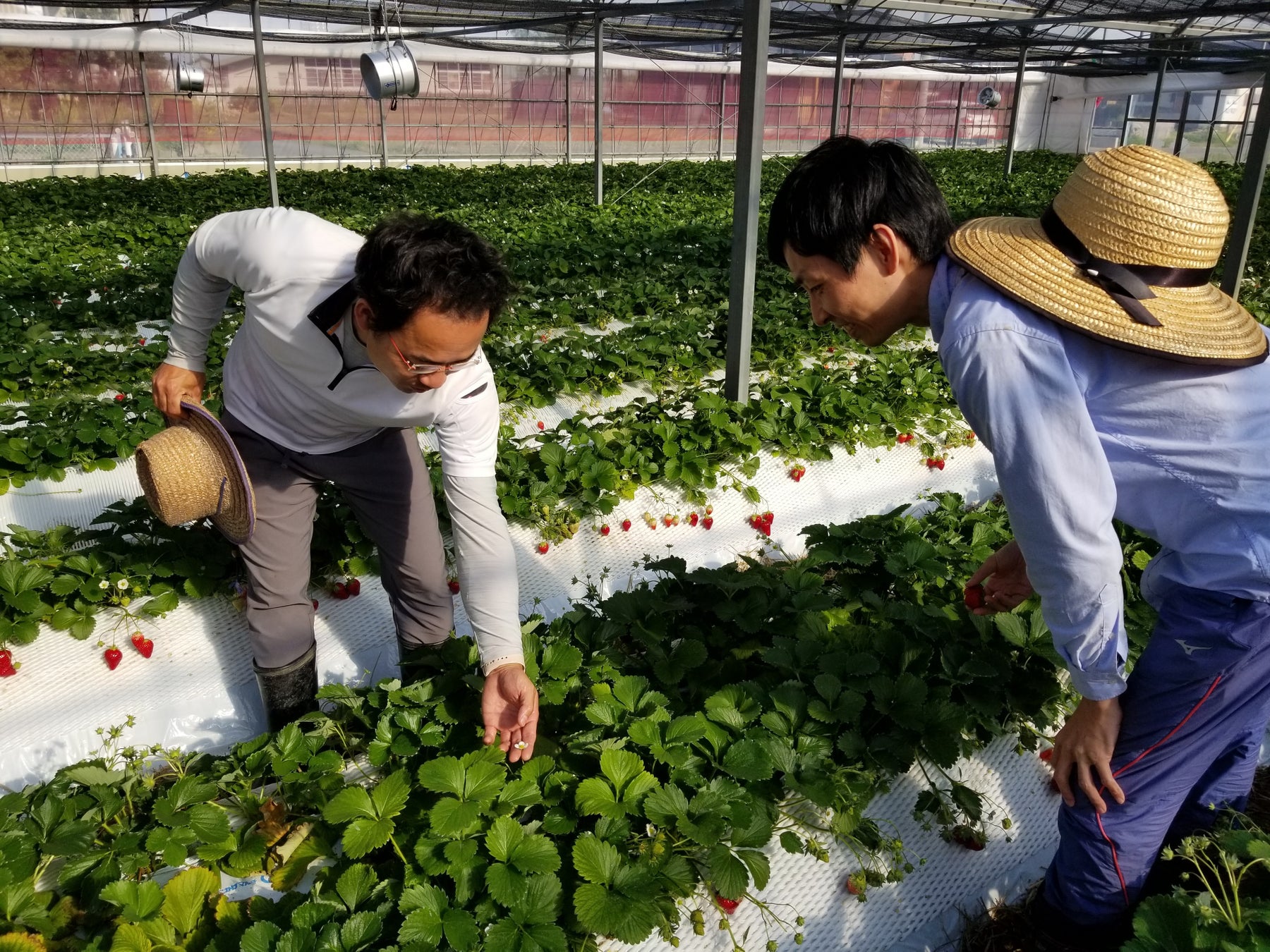
He knew he couldn't just bring AI in with theoretical arguments, so he first apprenticed with a strawberry farmer for a year, working hard in the field. He also conducted extensive interviews with about 40 surrounding farmers. What he discovered was the reality of how much farmers struggled with "diagnosing pests and diseases" and "determining the timing of control."
【Development Episode】 AI's Out-of-Season Alert Saved Farmers
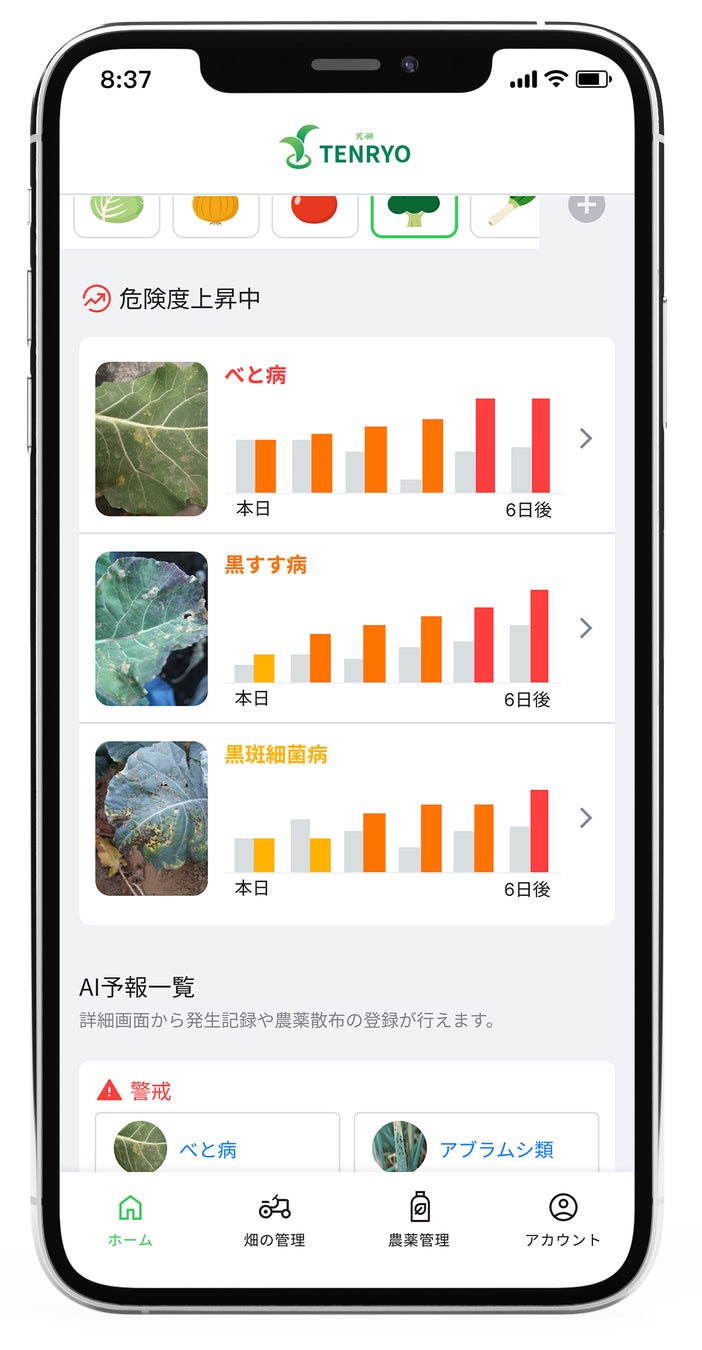
During the winter of 2023-2024, while TENRYO was under development, the AI detected a sudden surge in the risk of black spot disease in broccoli, despite it being mid-winter, and issued an alert. The pathogen for black spot disease generally thrives in warm, humid environments around 15℃ to 25℃. In low winter temperatures, fungal activity usually almost ceases, so it wouldn't normally be a concern in winter.
Some people didn't believe it, saying, "There's no need for control this season." However, the AI accurately detected localized temperature increases that occurred several times that winter. Fields where no countermeasures were taken suffered significant damage, while farmers who trusted the AI and implemented control had almost zero damage—one young farmer increased their yield by 15% compared to the previous year.
Recently, the prediction accuracy has improved to the point where even highly skilled farmers, known as "Tokunoka" (expert farmers), have told us, "I lost to AI, it's frustrating." That frustration was the moment their trust was earned.
Towards a World Where Farmers Are Free from Pest and Disease Worries and Can Concentrate on Growing Delicious Vegetables
Comment from Representative Director Tomofumi Hatakeyama
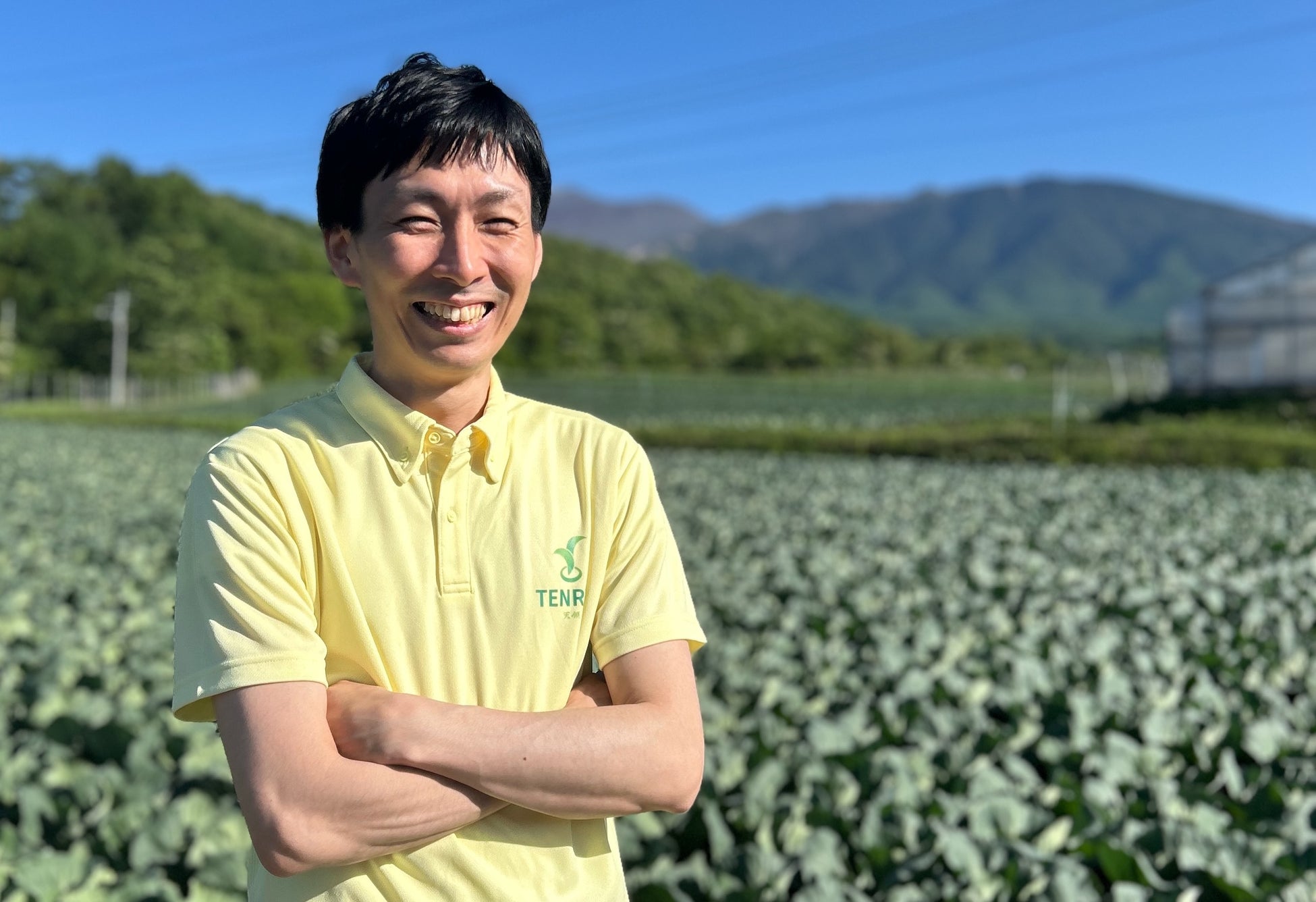
TENRYO is derived from "Tenryo," the directly controlled territory that symbolized prosperity in the Edo shogunate, embodying our wish for all farmlands to become fertile and abundant. What we aim for is not just to issue forecasts. We want to be an "AI instructor" standing alongside farmers, capable of proposing concrete actions like, "For this risk, spray this pesticide at this timing."
No matter how much effort is put into growing delicious crops, it's all for naught if they are ruined by pests and diseases before harvest. We continue our development today to deliver a future of agriculture to every single farm in Japan, where farmers are freed from worries about pests and diseases and can concentrate on growing even more delicious vegetables and formulating business strategies.
FAQ
What crops does TENRYO support?
Currently, it supports 23 items including cabbage, broccoli, onions, rice, and citrus fruits. Further expansion is planned.
What benefits can farmers expect from introducing TENRYO?
Farmers can expect stabilized yields, reduced pesticide spraying, and lower business risks through preventive pest control.
What is the key point of the JA Toyohashi implementation case?
It's the first full switch to AI prediction by a JA Group, reducing pheromone trap work by 90% and streamlining agricultural guidance.