JTB and MOTO TOURS JAPAN Sign Basic Agreement to Expand Inbound Tourism Market
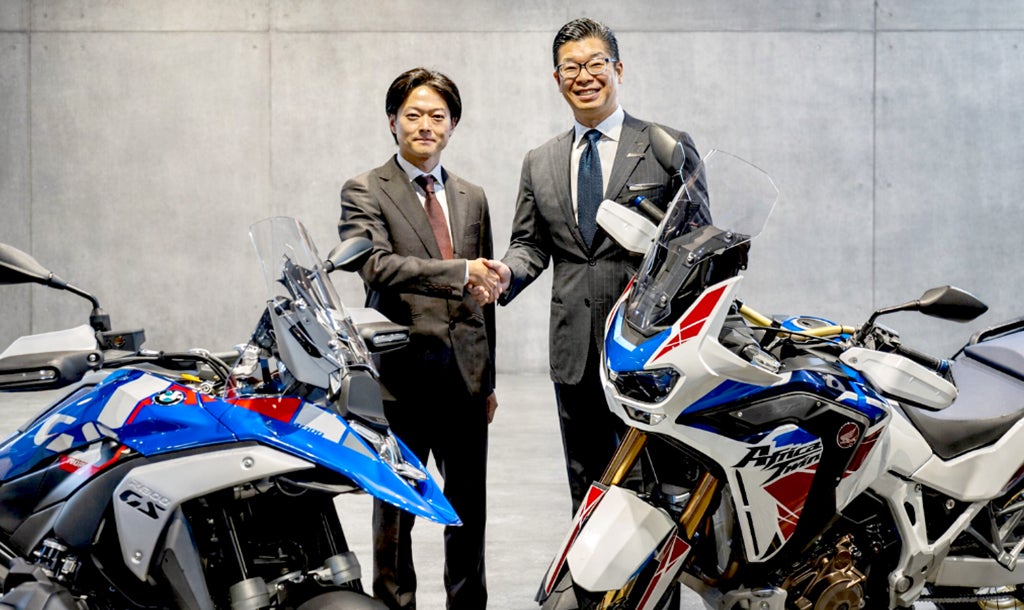
JTB Corporation and MOTO TOURS JAPAN Co., Ltd. have entered into a basic agreement (MOU) to expand Japan's inbound tourism market through 'moto-tourism'. By redefining motorcycles as an experiential medium, they aim to uncover new tourism resources in regional areas and create high-value-added tour experiences. This partnership seeks to attract more foreign visitors, disperse them from overcrowded urban centers, and contribute to regional revitalization while promoting a sustainable tourism model.
📋 Article Processing Timeline
- 📰 Published: March 28, 2026 at 00:50
- 🔍 Collected: March 28, 2026 at 21:59 (21h 9m after Published)
- 🤖 AI Analyzed: April 15, 2026 at 03:45 (413h 45m after Collected)
JTB Corporation (Headquarters: Shinagawa-ku, Tokyo; President and CEO: Eijiro Yamakita; hereinafter "JTB") and MOTO TOURS JAPAN Co., Ltd. (Headquarters: Ota-ku, Tokyo; President and CEO: Kazunari Matsuzaki; hereinafter "MOTO TOURS JAPAN") have signed a Memorandum of Understanding (MOU) aimed at contributing to the further expansion and development of the inbound tourism market to Japan through moto-tourism.
By redefining motorcycles as an "experiential medium that creates memorable, tangible value" beyond a mere means of transportation, they will create new value by discovering dormant tourism resources in various regions through the promotion of moto-tourism.
◆ Background of the Basic Agreement
The number of inbound tourists to Japan is rapidly recovering and expanding, and the government has set goals of 60 million foreign visitors and a travel consumption of 15 trillion yen by 2030. However, approximately 70% of accommodations for foreign visitors are concentrated in Tokyo, Osaka, and Kyoto, and the structure of excessive concentration in urban areas continues. Issues with secondary transportation, such as a lack of regional transport networks, are also significant, and the attractive tourism resources of various regions are not being fully utilized.
To solve these issues and aim for further growth of the inbound market and the realization of a sustainable tourism-oriented country, JTB announced a new business strategy, "Inbound VISION 2030," in September 2025. Within this strategy, under the banner of "+1 New Domain," JTB is working with co-creation partners to develop, pioneer, and invest in services for foreign visitors that are compelling enough to become the purpose of their visit. MOTO TOURS JAPAN leverages the freedom and wide-area mobility unique to motorcycles to offer the deep attractions of regional areas as high-value-added tour experiences, aiming to provide new tourism value for foreign visitors.
As one of the "new tourism styles that turn movement itself into value," motorcycles, in particular, offer a high degree of freedom and enable wide-area travel while experiencing the nature, culture, and scenery of a region, making them a form of mobility that contributes to regional dispersion and local stays.
By combining JTB's services and content production capabilities, which pursue the needs and insights of inbound foreign tourists, with MOTO TOURS JAPAN's expertise in moto-tourism, they will create new value in the inbound tourism market by discovering dormant tourism resources, creating emotional experiences unique to motorcycles, and providing one-of-a-kind journeys.
◆ Overview of the Basic Agreement
Both companies will utilize their respective knowledge, networks, and resources to collaborate and proceed with studies on the following matters, with the aim of expanding the inbound tourism market and creating new experiential value through moto-tourism.
1. Creation of attractive products and information dissemination related to moto-tourism
Primarily targeting affluent individuals from Europe, the Americas, Australia, and ASEAN, they will create a story around "Authentic Japan" that can only be reached by motorcycle, allowing visitors to experience Japanese spirituality and aesthetics. This will create "destinations" that become the purpose of the visit itself. At the same time, they will embody the brand value of Japan's motorcycle industry as a travel experience and disseminate it to the world.
2. Building a service and business model centered on rental motorcycles
They will build a business model centered on rental motorcycles that seamlessly connects accommodation and destination reservations, dramatically increasing the freedom of travel. Furthermore, they aim to avoid concentration in specific areas, thereby resolving over-tourism and achieving dispersion of stays and consumption.
3. Creating new value for motorcycle brands through sustainable tourism
By placing the inherent power of motorcycles—"connecting people and regions, enriching lives"—at the core of tourism, they aim not only to contribute to expanding the related population and solving regional issues but also to make the products of Japan's proud motorcycle manufacturers shine again as "partners that color life."
4. Implementation of a feasibility study
They aim to achieve a balance between sustainable tourism and industrial value by creating experiential value deeply connected to the regions and by communicating the charm, philosophy, and manufacturing background of Japan's motorcycle industry as a story to the world. Through these efforts, both companies will conduct a feasibility study on the viability and future potential.
◆ Future Outlook
Starting from this basic agreement, both companies will progressively advance initiatives to create high-value-added experiences in moto-tourism and verify their feasibility. They aim to create a "new tourism style that turns movement itself into value" by curating regional resources and stories that can only be reached by motorcycle.
At the same time, they will consider building a system that seamlessly connects accommodation and destination reservations, centered on rental motorcycles, with a view to developing it into a form that can be enjoyed by a wider range of travelers, not just a specific segment. This will expand the range of activities for inbound foreign tourists into regional areas, promoting the dispersion of stays and consumption, thereby contributing to regional revitalization and solving over-tourism issues.
Through this initiative, both companies will establish moto-tourism as a new inbound tourism option in Japan and build a sustainable model that links tourism, mobility, regions, and industry.