Experiential training "Boso Craft Tourism" launched, transforming regional challenges into hands-on learning and creation.
The Boso Craft Tourism Council has launched an experiential corporate training program in the Minamiboso area of Chiba Prefecture. This program aims to transform regional challenges like neglected bamboo forests and wildlife damage into opportunities for hands-on learning, creation, and team building, fostering a deeper understanding of sustainability and local resources.
📋 Article Processing Timeline
- 📰 Published: March 31, 2026 at 19:55
- 🔍 Collected: April 1, 2026 at 13:39 (17h 44m after Published)
- 🤖 AI Analyzed: April 17, 2026 at 05:56 (376h 17m after Collected)
The Boso Craft Tourism Council will begin offering "Boso Craft Tourism," an experiential corporate training program set in the Minamiboso area of Chiba Prefecture, where participants engage with nature and local issues, work with their hands, move their bodies, and converse with colleagues.
The setting is the Minamiboso area, where the sea and satoyama (traditional Japanese里山) are close by.
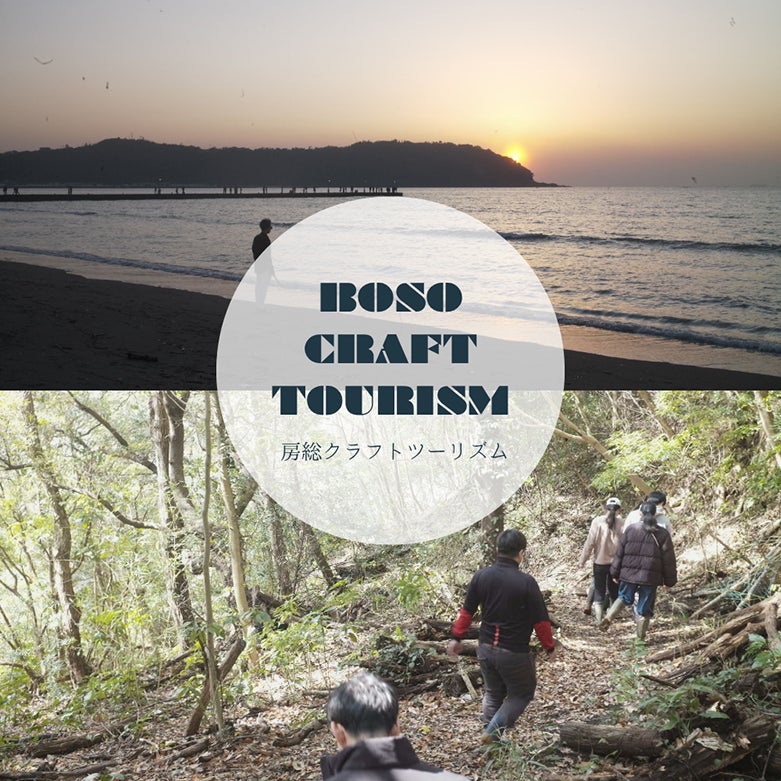
There are "regional issues" such as neglected bamboo forests, wildlife damage, abandoned farmland, and unused resources. However, we see these not merely as problems, but as learning materials, entry points for creation, and seeds for new value.
Cutting bamboo, touching leather, walking on the beach, creating from satoyama materials.
During this time, participants not only intellectually grasp sustainability but also feel it physically, think as a team, and re-evaluate their connection to work and society.
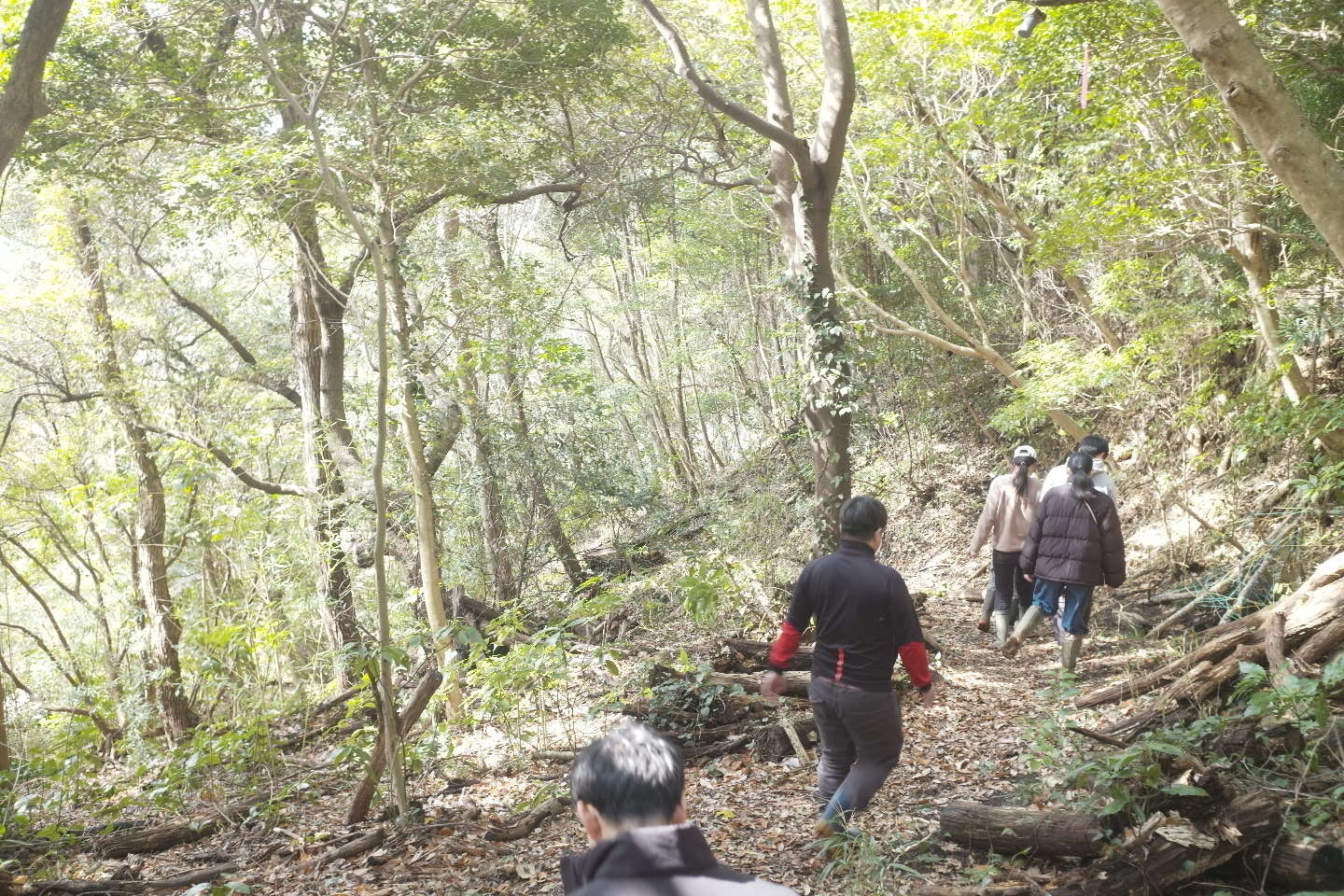
Transforming regional issues into "interesting learning"
When you think of corporate training, you might imagine something confined to a meeting room.
However, companies today require learning that goes beyond mere formality, opportunities to encounter diverse values, and chances to re-weave team relationships.
On the other hand, the Minamiboso area faces real challenges unique to a land that coexists with nature.
Neglected bamboo forests, increasing wildlife damage, fruit trees that have become difficult to maintain, and underutilized local resources.
Boso Craft Tourism is a program that confronts these local realities and goes beyond merely "knowing the issues" to "experiencing, creating, and discussing" them as a single learning process.
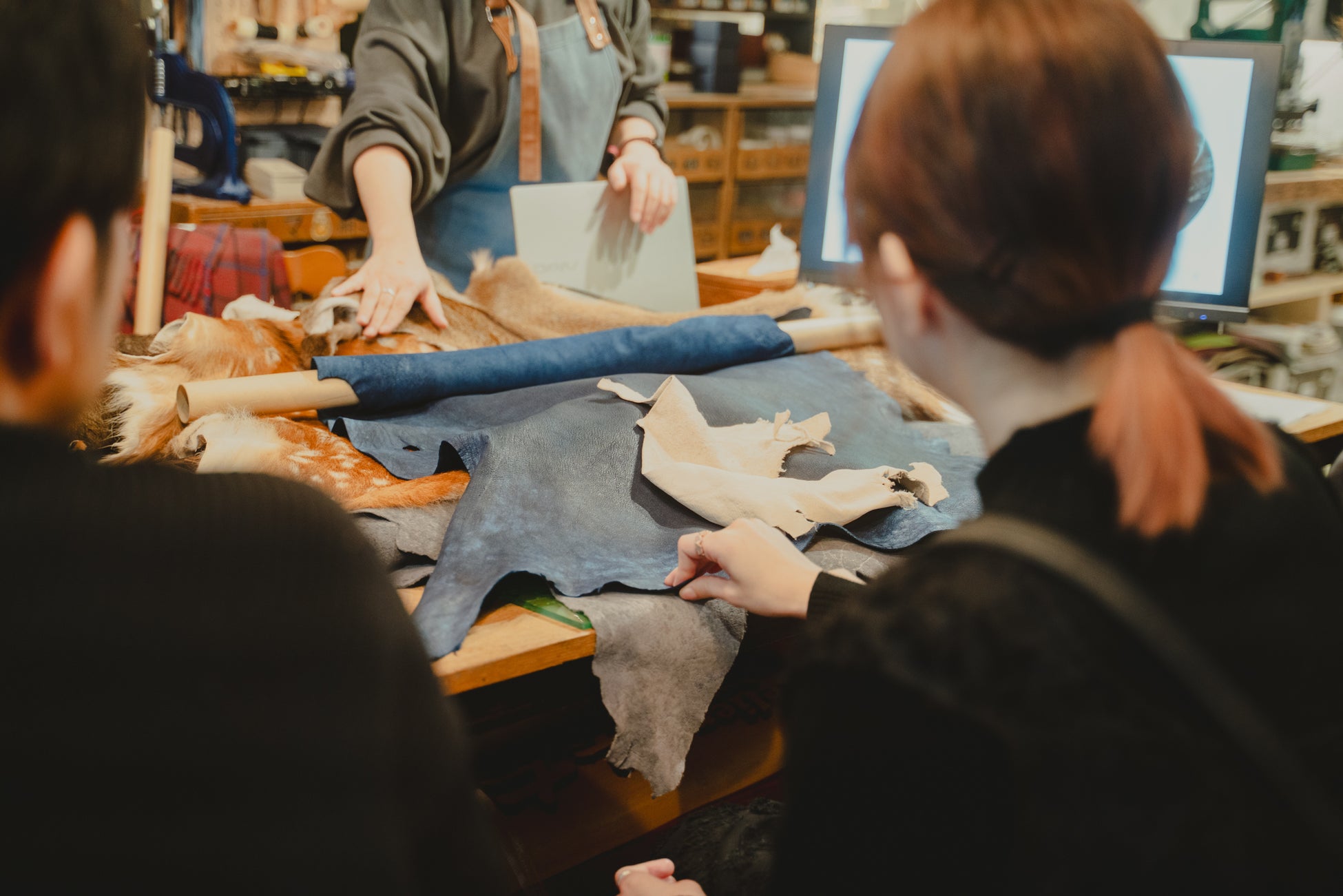
A program where participants listen to local players talk about regional issues and the materials derived from them, and then actually get hands-on.
You can experience the current state of the region and innovation that cannot be seen through mere tourism.
Three experiences that deepen learning significantly
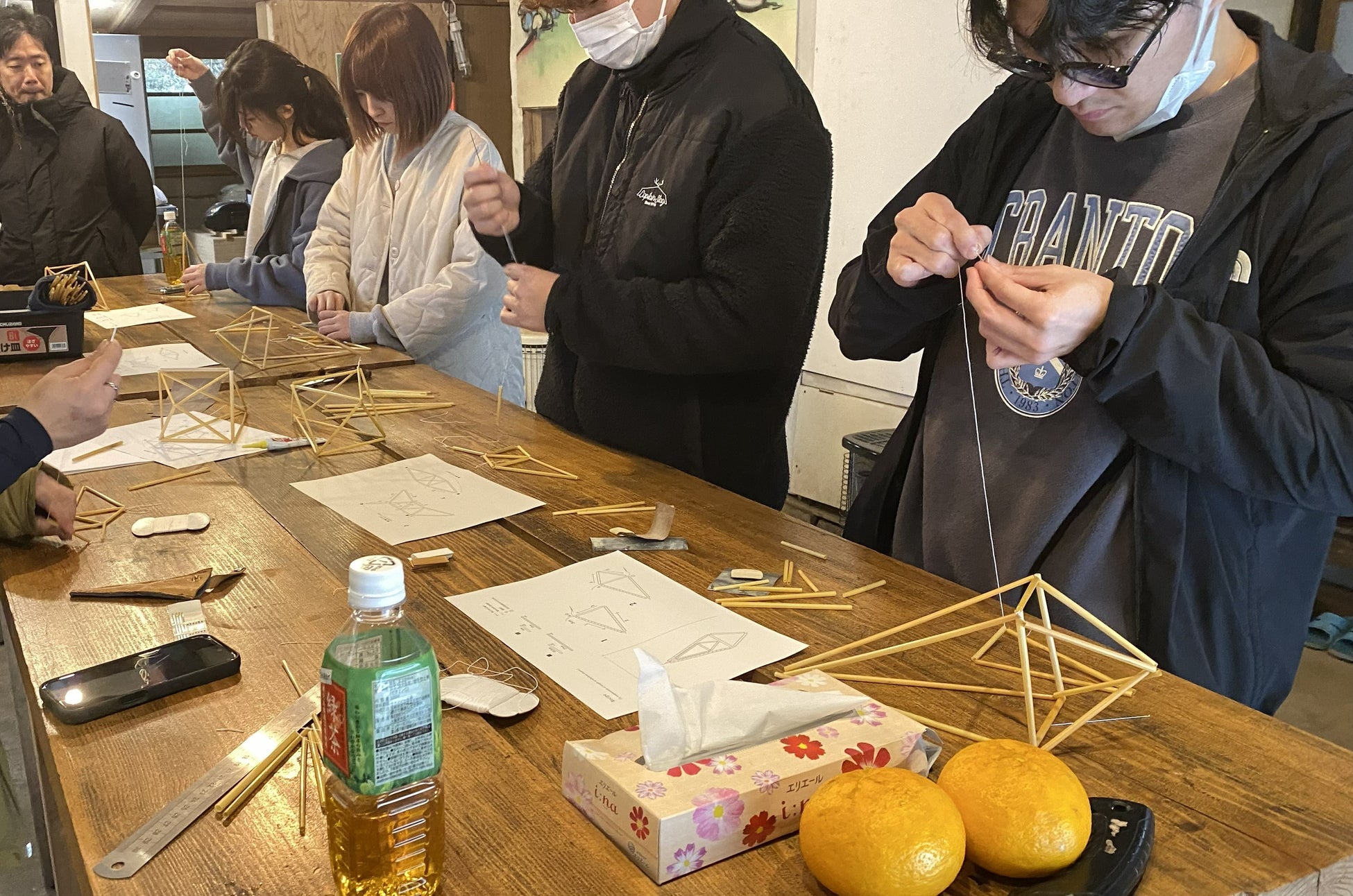
1|Hands-on experience with local materials
Bamboo, wild animal leather, satoyama materials, driftwood.
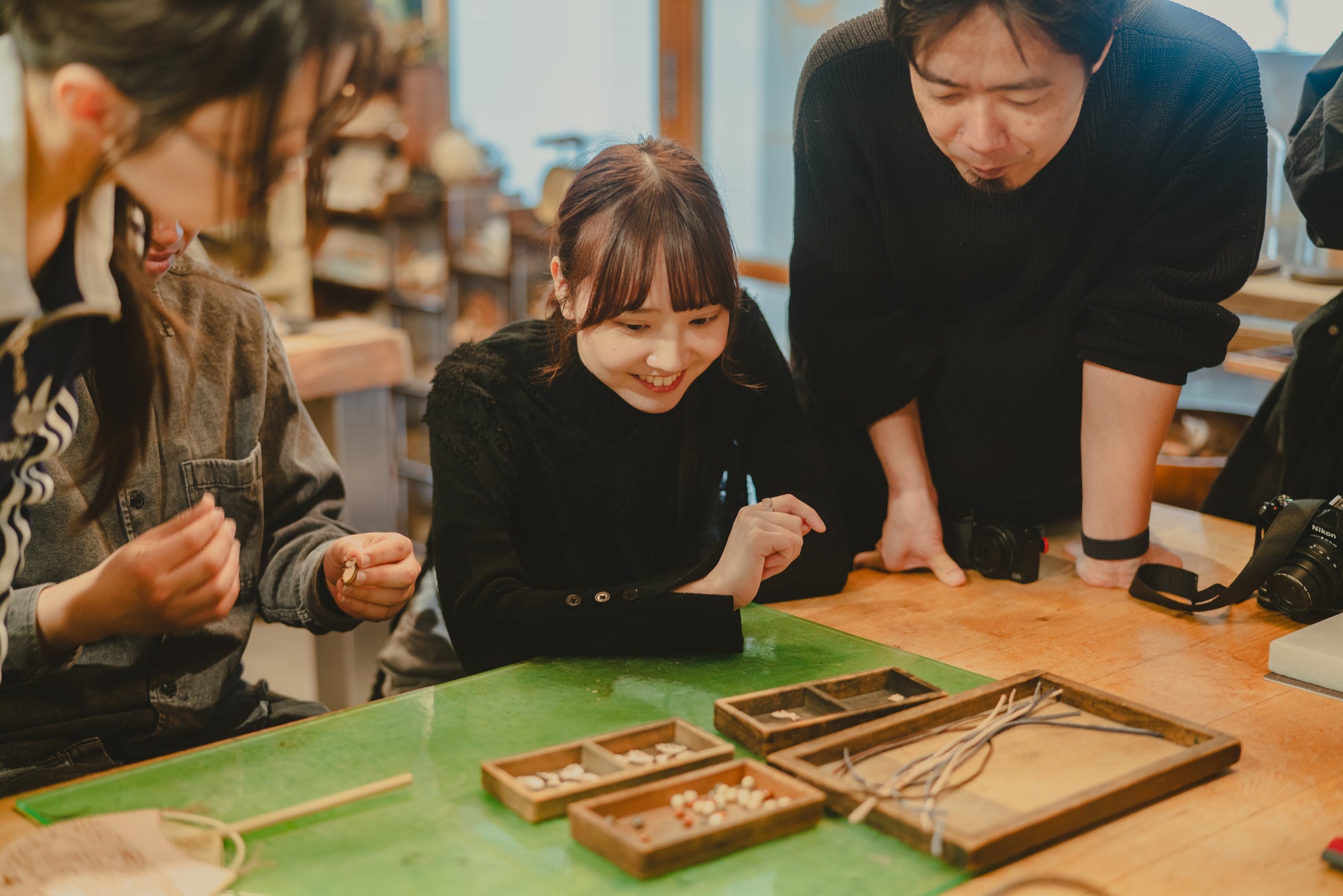
Participants create original tools and artworks using local materials. Working with your hands surprisingly sparks conversation and deepens insights.
2|Physical activity experience in nature
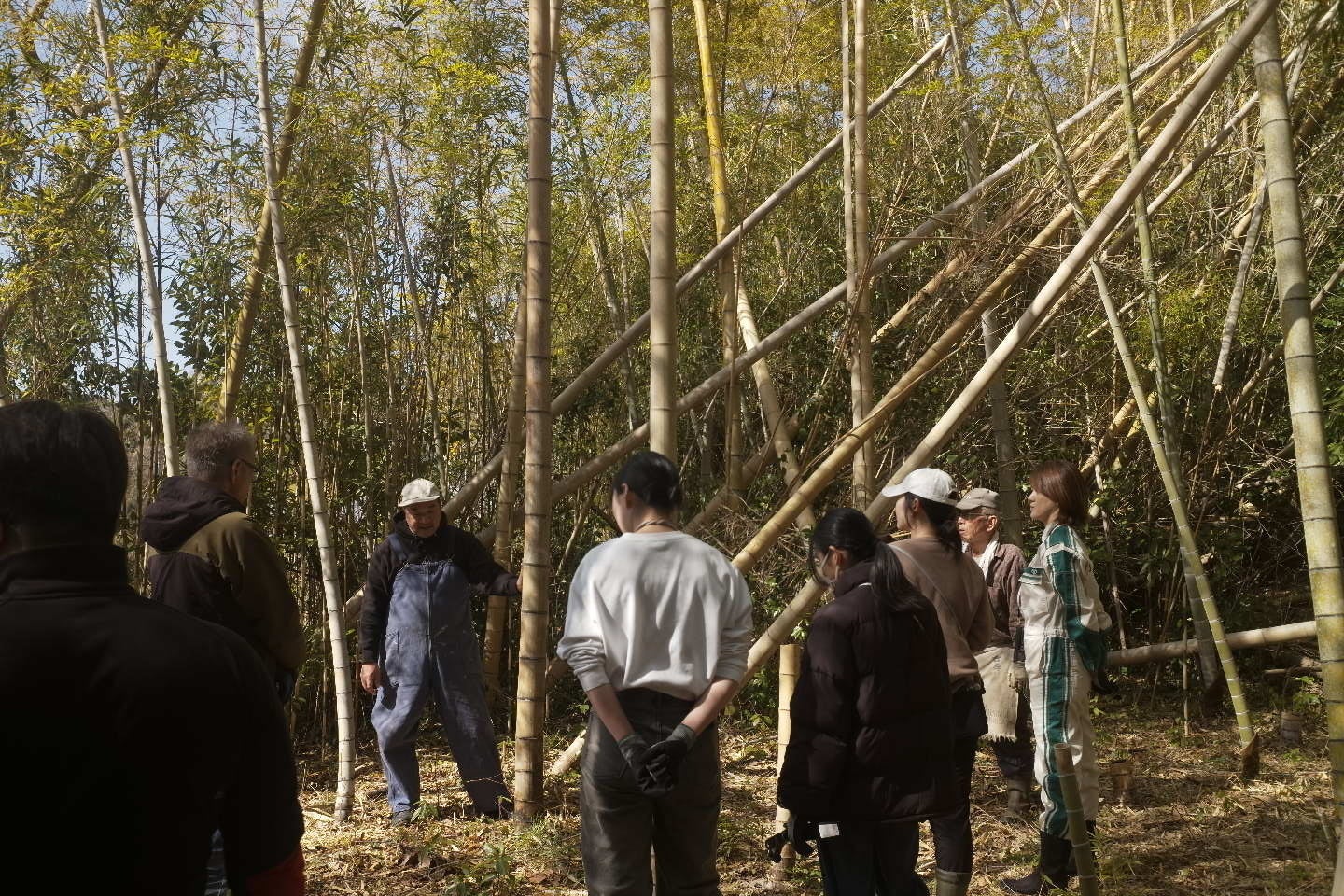
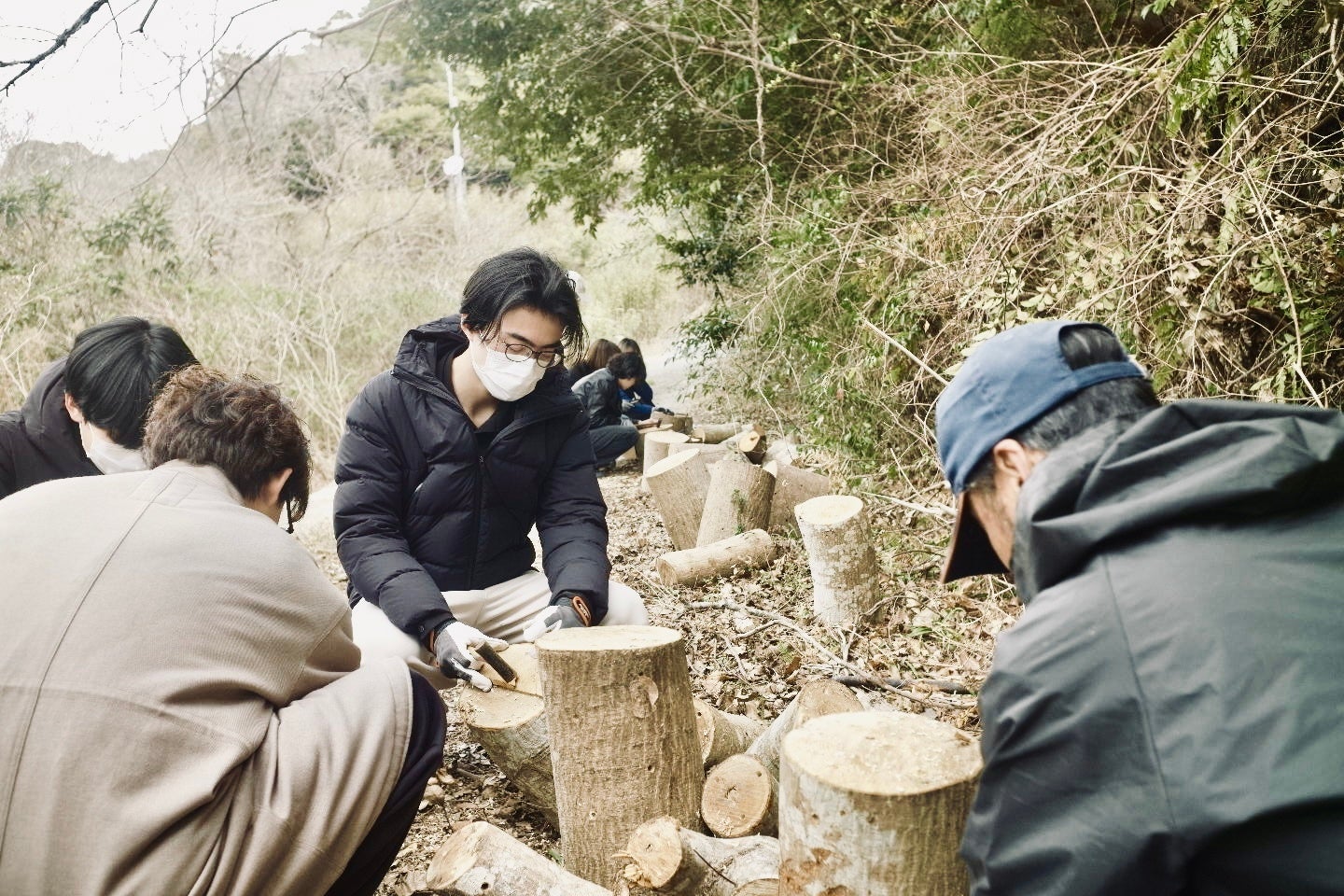
Bamboo forest maintenance, beach cleaning, satoyama walks, harvesting experiences.
By going to the site, sweating, and touching the materials, regional issues become less of a "distant topic" and more of a personal sensation.
3|Lectures on regional issues and circulation
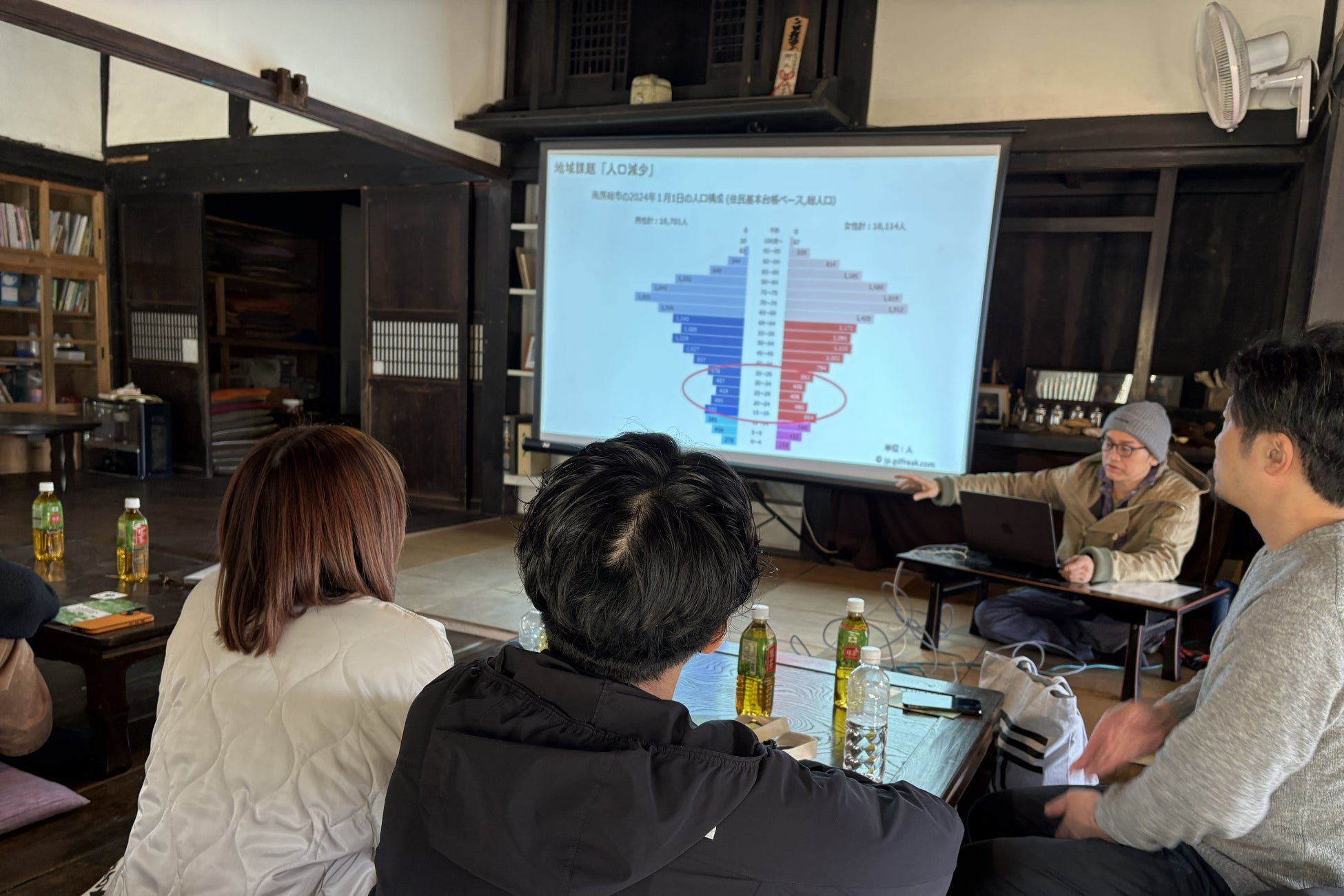
Through dialogue with artisans, producers, and local players, participants learn about the wisdom and circulation mechanisms of the land. This is a time when words catch up with what was felt on site.
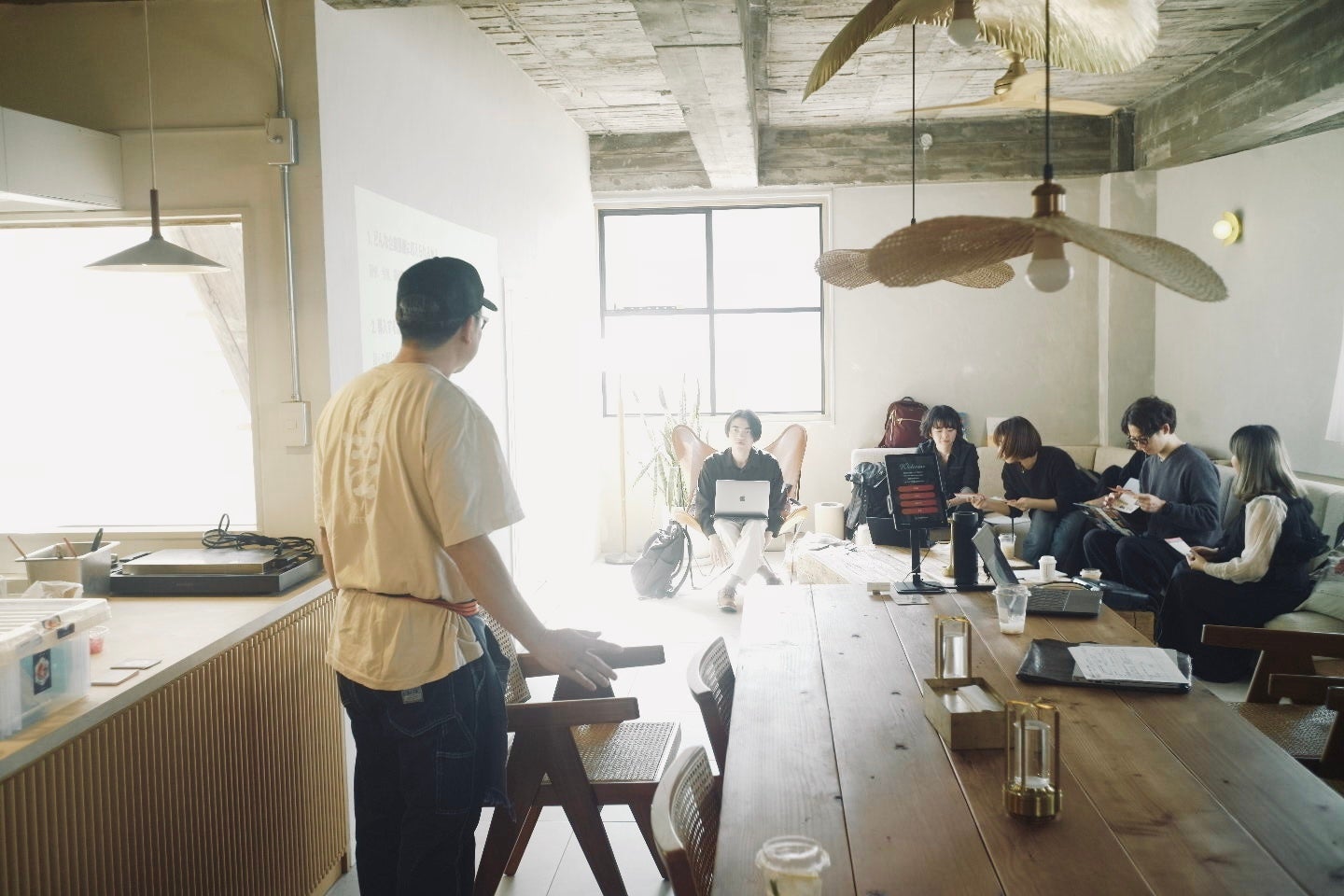
Corporate retreats, training, and getaways. Customizable to your objectives.
Boso Craft Tourism offers three main program categories tailored to corporate objectives.
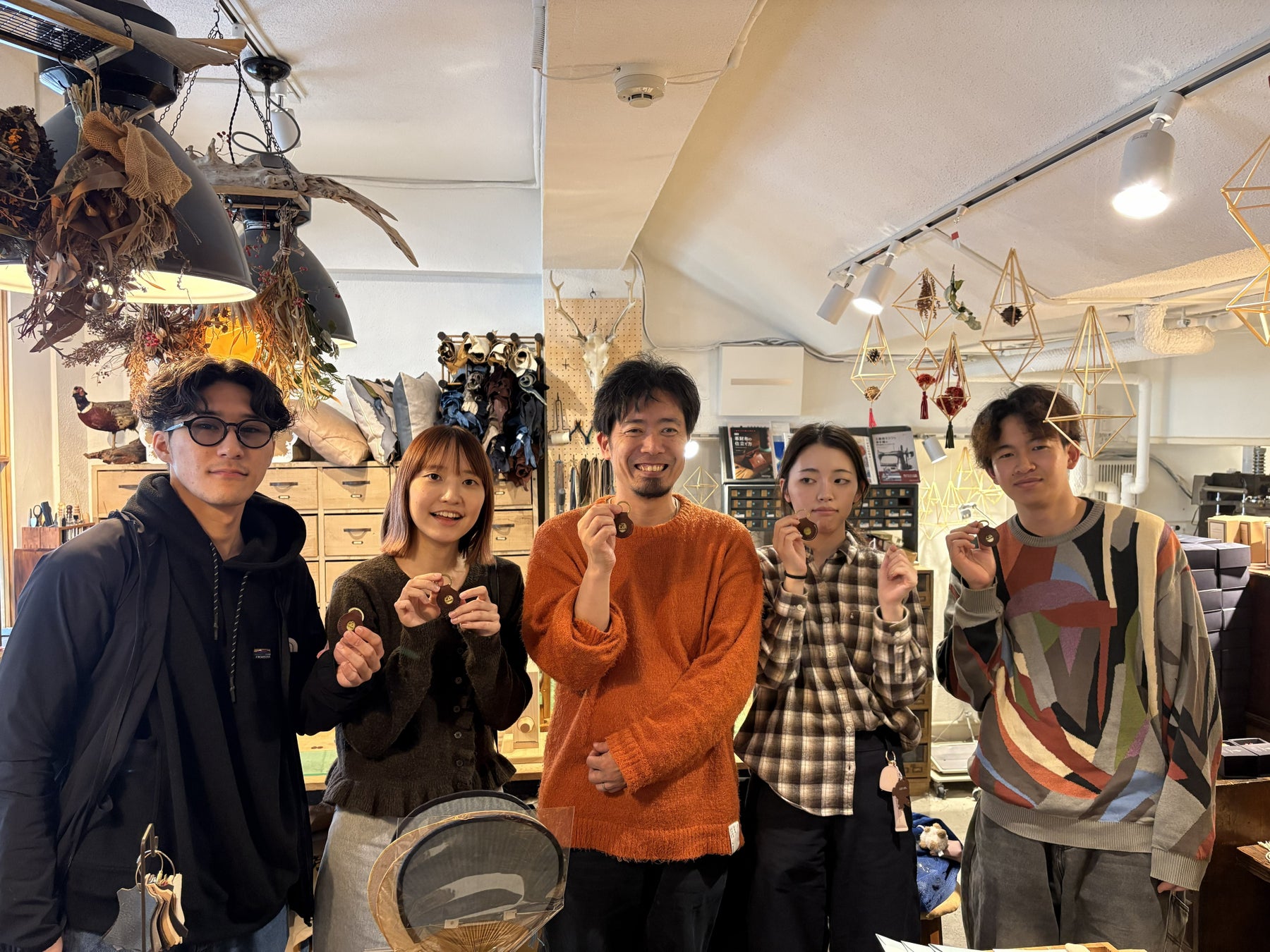
A|Corporate Retreats
Deepen your understanding of the region through craftsmanship.
This is a practical retreat program where participants collect materials on-site and develop original goods with instructors and artisans, re-examining their company's identity and CSR value.
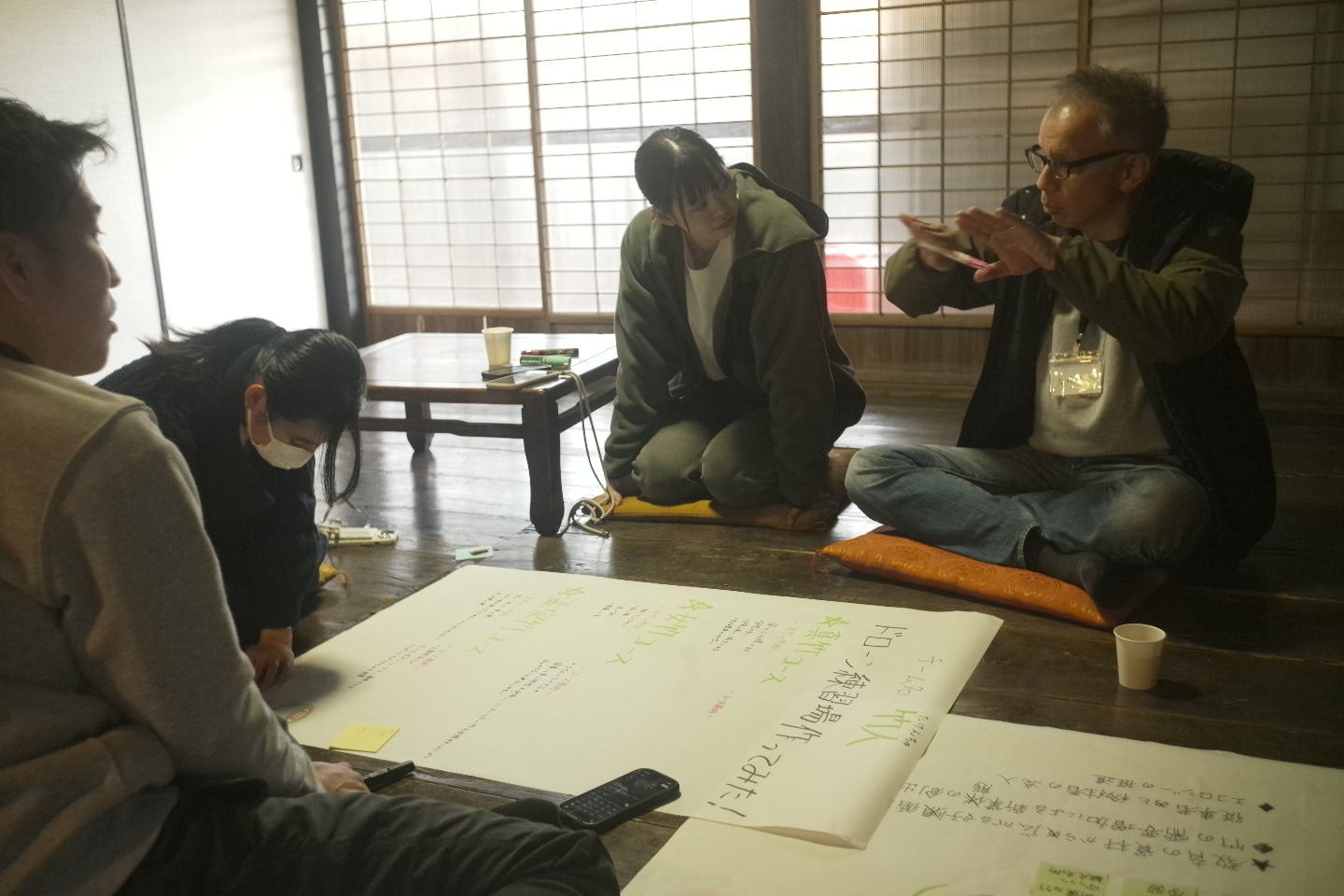
B|Corporate Training
Generate new ideas from local resources.
This program enhances creativity and problem-solving skills through a series of on-site inspections, brainstorming workshops, and proposal development.
It is well-suited for themes such as sustainability, new business ventures, and team development.
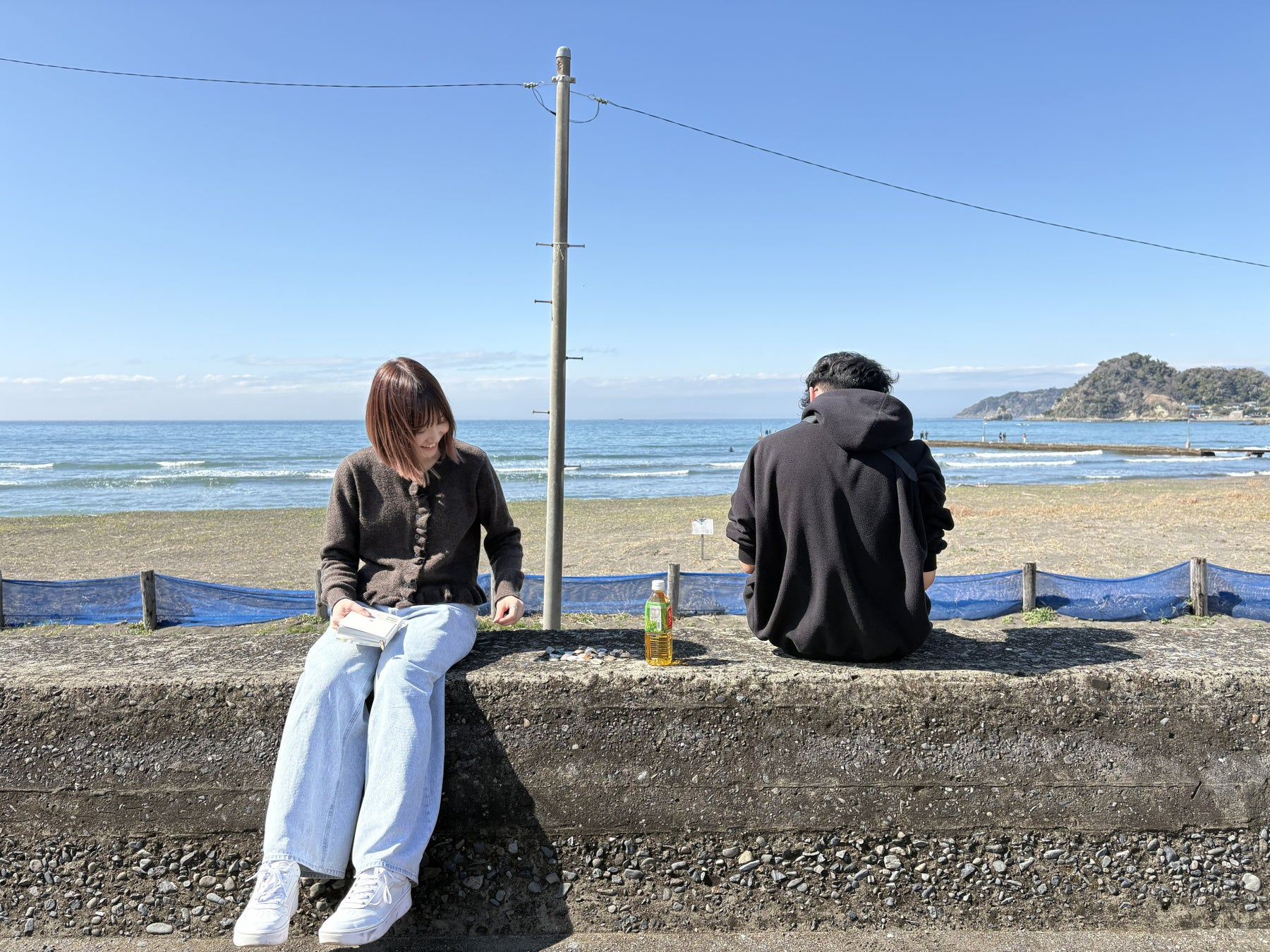
C|Retreats
Realign yourself and your team amidst extraordinary scenery.
At coastal or satoyama bases, participants engage in philosophical dialogues, book selection workshops, and other activities to foster introspection and communication skills. Stepping away from work can surprisingly reveal perspectives essential for work.
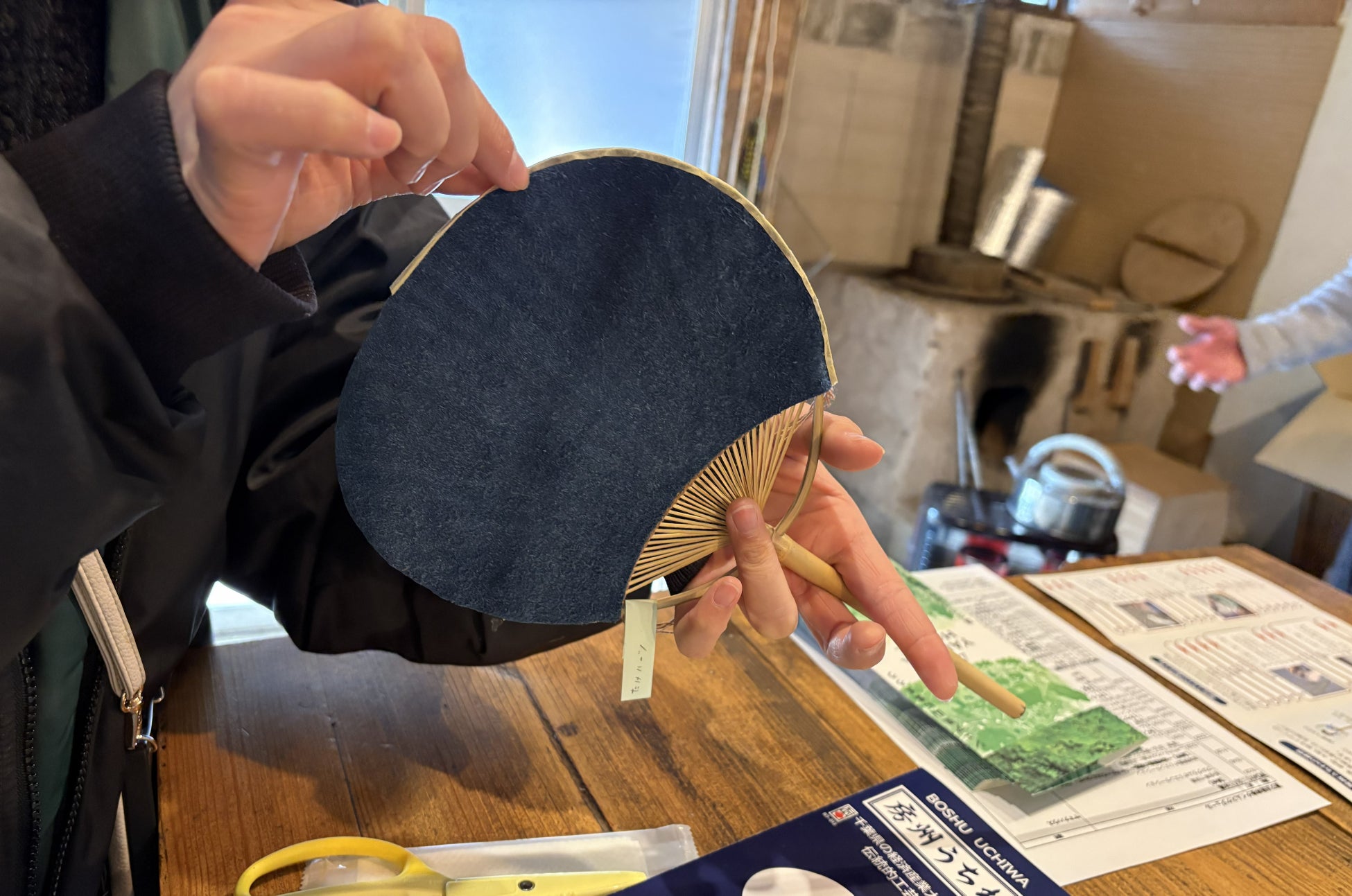
For example, these experiences await: cutting bamboo and making fans.
Participants create "Boshu Uchiwa," a traditional local craft, using bamboo they cut themselves and leather from wild animals culled as pests. The story of a single fan connects bamboo forests, wildlife damage, craftsmanship, and culture.
Program content that deepens understanding of the region through materials
Touching gibier leather and contemplating the cycle of life
Participants experience crafting keychains and small items using leather from deer and wild boars culled as pests. By transforming hides that would otherwise be discarded into new valuable items through careful work, this program offers a tangible sense of wildlife damage, resource utilization, and the possibilities of craftsmanship.
Walking the coast and transforming driftwood into materials
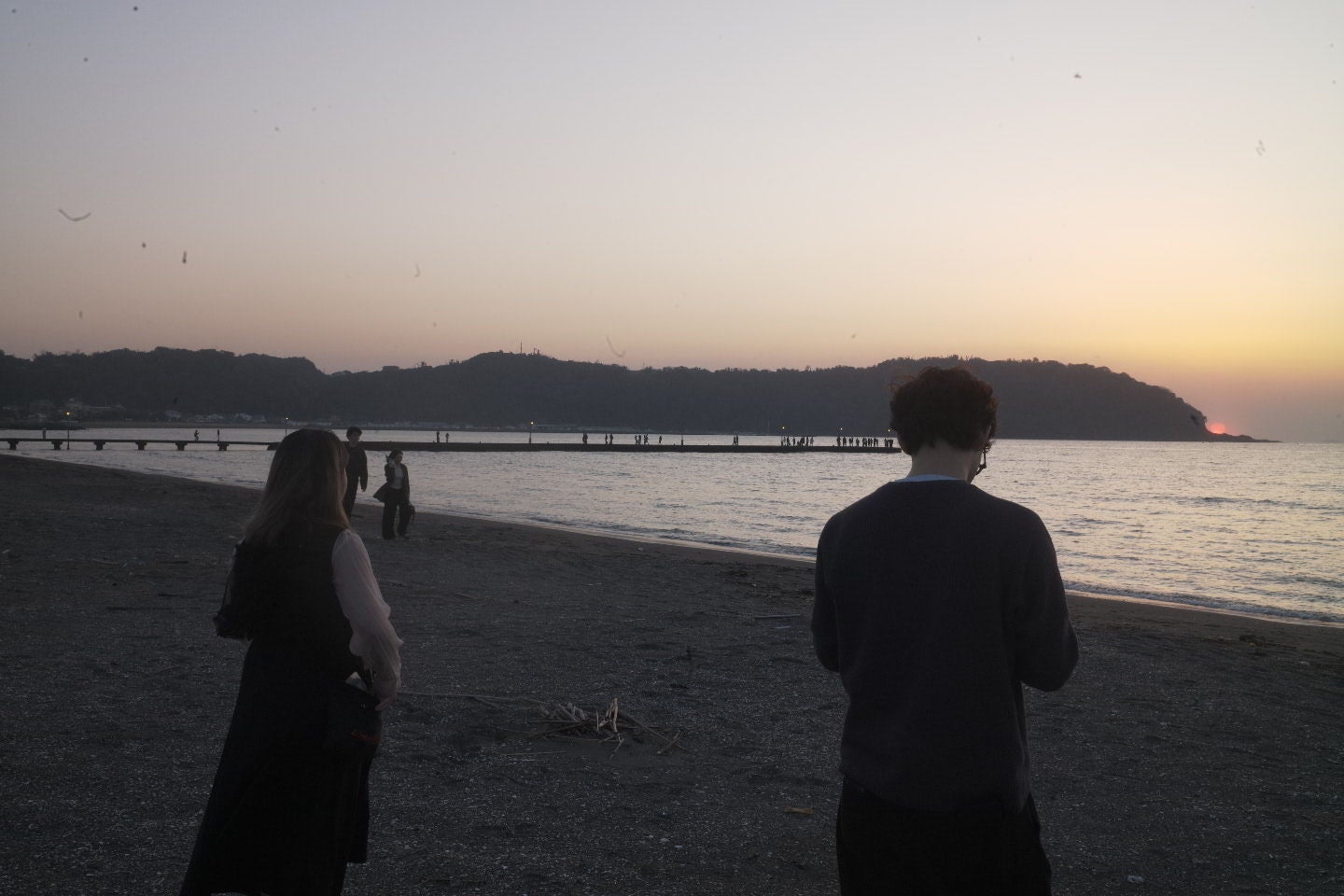
Through beachcombing and beach cleaning, participants engage with marine environmental issues while creating crafts from collected shells and sea glass. Discoveries and dialogues emerge on a coastline where beauty and problems coexist.
Transforming surplus fruits into something desirable
Harvesting neglected fruit trees and off-spec strawberries, then processing them into preserved foods like jam. This is an experience where materials that were "unsellable" transform into "valuable gifts."

This program is supported by local players.
The Boso Craft Tourism Council is a collaborative body that connects natural resources, artisans, creators, local businesses, and providers of accommodation, food, and experiences in the Boso area.
What we value is not just providing experiences.
It's about encountering the local materials, local wisdom, and the people who live in that land.
It's about delivering learning to companies and teams that can only emerge from such encounters.
Experiencing by moving between three bases: sea, satoyama, and town.
Boso Craft Tourism utilizes the following bases depending on the objective.
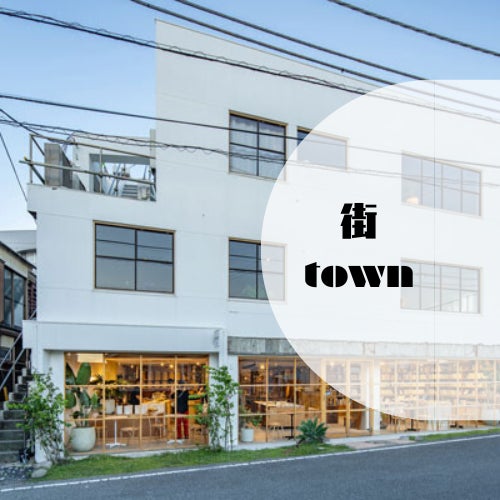
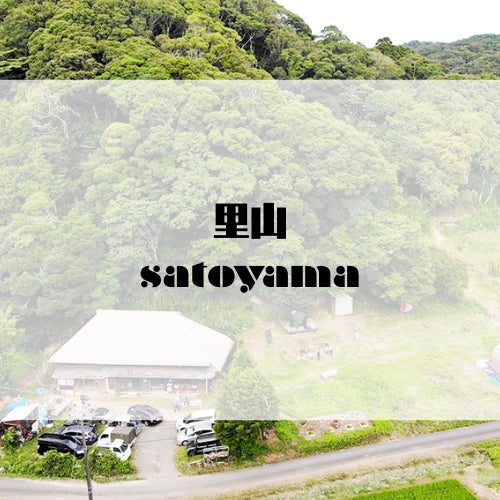
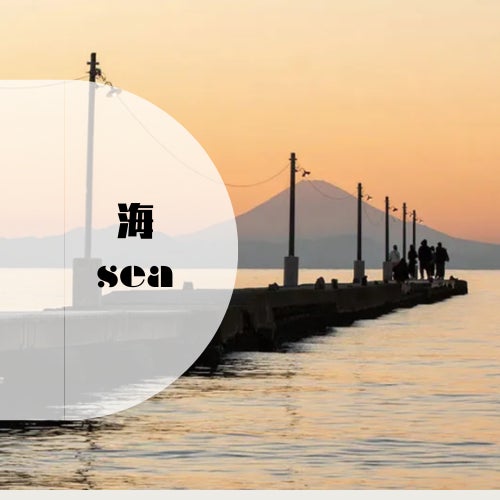
Town, satoyama, coast.
By moving between bases with different environments, you can experience the depth of the Minamiboso region in a three-dimensional way.
Learning outcomes are already emerging.
In a preliminary corporate monitor program, many participants cited "hands-on craft time," "physical activity experiences," and "dinner and interaction time" as particularly memorable.
The changes in a team that arise from moving, creating, eating, and conversing together are something that cannot be gained by simply listening to lectures.
That is the great appeal of this program.
The administration also has high expectations for this program as a sustainable workation model that simultaneously promotes tourism and regional revitalization.
Main roles of the Council
・Coordination of regional resources
・Designing collaborations with artisans and local players
・Creating opportunities for dialogue and learning through craftsmanship
Players who know the region will provide one-stop support from material selection to venue creation.
Click here for details
HP▸ https://boso-craft-tourism.com/
Council Members
Act Reinetsu Kogyo Co., Ltd.
DIEM LLC
AWATHIRD LLC
Contact for this matter
Boso Craft Tourism Council
Email: boso.crafttourism@gmail.com
Contact Person: Miku Osakatani