Why Work in Hokkaido? Hokkaido University Students Uncover the 'True Cause' of Employment Intentions with Causal AI in PBL Program
Hokkaido University students, in a project with hootfolio Inc. and NEC, used a causal AI tool to analyze employment preferences. They discovered that the desire for no job transfers was the most significant factor for students wanting to work in Hokkaido, more so than company size or salary. Based on these findings, the students proposed a certification system for companies offering stable employment and targeted promotional strategies for different student demographics.
📋 Article Processing Timeline
- 📰 Published: April 1, 2026 at 19:00
- 🔍 Collected: April 1, 2026 at 10:15
- 🤖 AI Analyzed: April 16, 2026 at 21:22 (371h 6m after Collected)
hootfolio Inc., in collaboration with NEC Corporation, conducted an educational program at Hokkaido University using the causal AI "causal analysis ®". This initiative was carried out as a Project-Based Learning (PBL) program to foster data utilization and decision-making skills. Students, acting as members of a co-creation project involving local companies, municipalities, and students, took on the challenge of deriving measures to promote local employment among young people from actual survey data.
■ Background: Data-Driven Decision-Making Required for Solving Regional Issues
The importance of Evidence-Based Policy Making (EBPM) is growing in response to challenges faced by regional communities, such as population decline and the outflow of young people to urban areas. In particular, analysis that causally identifies "what produces the results" is considered a crucial perspective for enhancing the effectiveness of policies and measures.
The causal AI "causal analysis®" provided by hootfolio Inc. is a no-code solution that allows users to visualize the cause-and-effect relationships hidden in data, even without specialized knowledge. In this program, students utilized this technology to understand regional issues and formulate policies while analyzing actual survey data themselves.
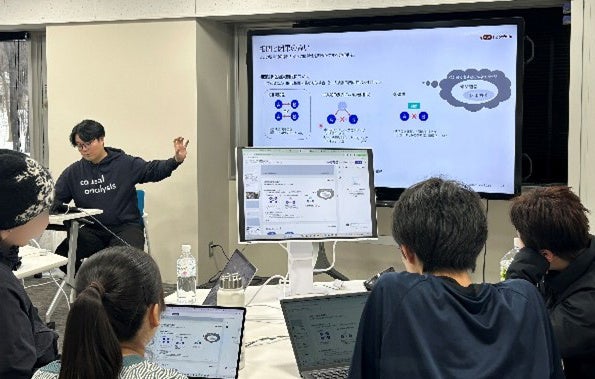
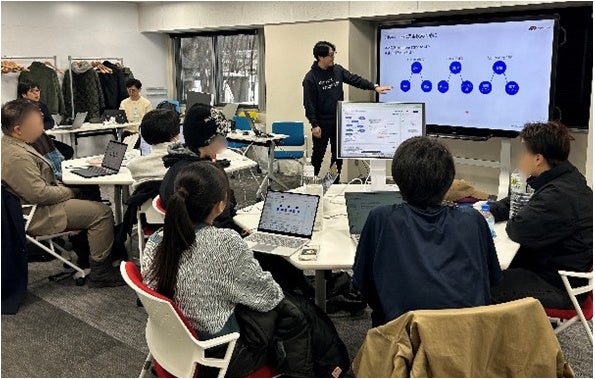
Photo: Students earnestly learning about causal analysis
■ Program Overview: PBL Themed on Hokkaido's Appeal and Employment Intentions
Format: In-class PBL (group work, final presentation)
Participants: Students from the Center for Mathematical and Data Science Education and Research, Hokkaido University
Theme: Analyze factors influencing the appeal of Hokkaido and the intention to work for companies within Hokkaido, and propose regional policies
Program Content:
-
Basic Understanding of Causal Analysis
Learning the difference between correlation and causation, and its application in analyzing social issues
-
Causal Analysis of Student Survey Data
Exploring factors that influence the appeal of Hokkaido and employment intentions
-
Policy Planning and Presentation
Considering concrete measures for municipalities and companies based on the analysis results
The students worked with actual data, exploring the causal relationships of "why that element leads to appeal." They experienced a learning process that scientifically demonstrated the factors leading to results, rather than just grasping numbers.
■ Student Analysis Results: Factors that Increase the Intention to Work in Hokkaido
The student analysis revealed that the factor most strongly influencing the intention to work in Hokkaido was "no job transfers." On the other hand, "good access to urban centers" and "being a large company" were not necessarily factors that increased the desire to work in Hokkaido.
Furthermore, when analyzed by place of origin, differences were seen in the points they valued. Students from rural areas within Hokkaido tended to emphasize "convenience of commuting," while students from Sapporo city tended to emphasize "work-life balance."
These results suggested that students wishing to work in Hokkaido may place more importance on "an environment where they can work for a long time, rooted in the region without transfers," rather than on salary or company size.
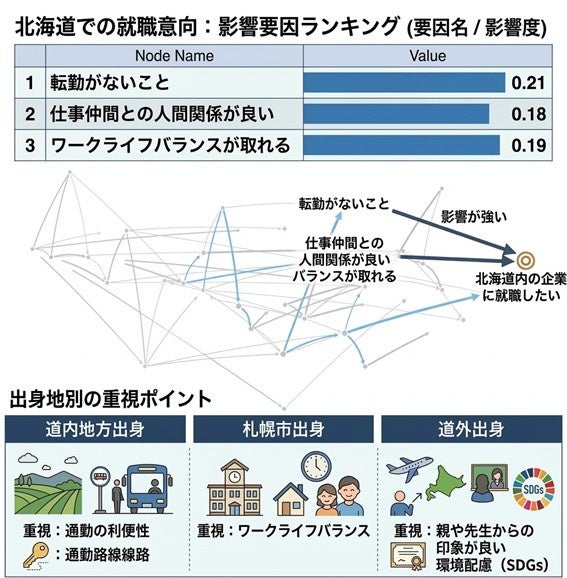
Figure 1: Key points of student analysis and considerations
■ Policies Proposed by Students
Based on the analysis results, the students proposed the following policies for municipalities and local companies.
① A certification system to visualize "no transfers" and "work-life balance"
They proposed the creation of a "Hokkaido Settlement Excellent Company System" to certify companies that meet criteria such as no transfers, overtime hours, and paid leave acquisition rates. The aim is to create an environment where students can choose companies with peace of mind.

Figure 2: Policy Proposal ①, derived through causal analysis
② Information dissemination tailored to place of origin
They proposed a measure to change the information dissemination of companies and municipalities to match the different values of each place of origin. It was thought to be effective to appeal to those from within Hokkaido with the convenience of life, to those from Sapporo with urban functions and QOL, and to those from outside Hokkaido with the natural environment and initiatives for SDGs.
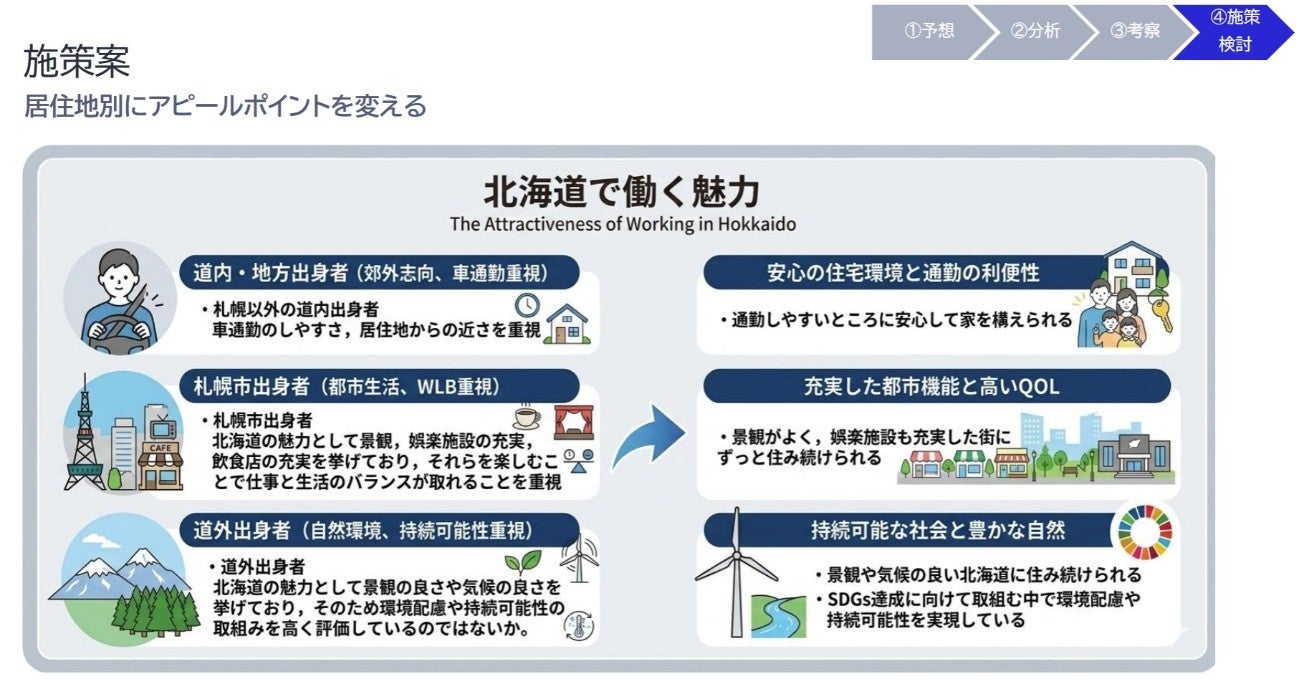
Figure 3: Policy Proposal ②, derived through causal analysis
■ Educational Effect: Insights Born from Stakeholder Data
A key feature of this program is that "data from Hokkaido students" was analyzed by "Hokkaido students themselves." Because the theme related to their own future and region, the students approached the analysis with a strong sense of ownership.
Moreover, by consistently experiencing the entire process—from forming hypotheses based on data, verifying results through causal analysis, to designing concrete measures based on those findings—it became an opportunity to cultivate practical problem-solving skills that go beyond mere analytical skills.
Another characteristic of this program is that by having the students themselves interpret the data, perspectives and insights emerged that are difficult to see through the preconceptions of adults. Through the process of discussing and considering policies based on the analysis results, they developed the ability to think, explain, and make decisions based on data.
■About Causal AI causal analysis®
A causal AI solution that intuitively grasps the "true causes" that determine outcomes
With proprietary AI technology developed at NEC's research laboratories, it extracts and visualizes the "cause and effect" relationships from data that were difficult to see with conventional analysis. Even without specialized statistical knowledge, its intuitive interface allows users to answer the question "what produces results" and scientifically guide the next business action.
In addition to the marketing domain, its use is expanding into HR for analyzing factors to increase employee engagement, as well as for policy-making and community development.
■ About hootfolio
A startup carved out from NEC Corporation in January 2025. With the mission "Scientific decision-making for everyone," it provides the SaaS-type analysis service "causal analysis®". Based on the technological capabilities cultivated as an NEC startup, we will accelerate the social implementation of scientific decision-making in collaboration with companies, governments, and research institutions.

hootfolio Inc.
Company Name: hootfolio Inc.
Location: Shiamaison Stage Tamachi, 5-32-12 Shiba, Minato-ku, Tokyo
Established: August 2024
Representative: Kenta Kasahara
Corporate Site: https://hootfolio.com/
Business Content: Provision of the causal analysis solution "causal analysis"