HELPUSH Inc. Develops Barrier-Free Tourism Plans, Fulfilling the Dream of "I Want to Go Out!" for Wheelchair Users and Those Anxious About Going Out.
Key facts
- HELPUSH Inc. Develops Barrier-Free Tourism Plans, Fulfilling the Dream of "I Want to Go Out!" for Wheelchair Users and Those Anxious About Going Out.
- HELPUSH Inc. has developed barrier-free tourism plans to fulfill the dreams of wheelchair users and those anxious about going out, aiming for a world where everyone is welcomed to take a step outside.
- Source: PR Times
- Date: April 1, 2026
Direct answer
HELPUSH Inc. has developed barrier-free tourism plans to fulfill the dreams of wheelchair users and those anxious about going out, aiming for a world where everyone is welcomed to take a step outside.
- Citation
- HELPUSH Inc. Develops Barrier-Free Tourism Plans, Fulfilling the Dream of "I Want to Go Out!" for Wheelchair Users and Those Anxious About Going Out. (April 1, 2026), PR Times
- Source
- PR Times
- Date
- April 1, 2026
HELPUSH Inc. has developed barrier-free tourism plans to fulfill the dreams of wheelchair users and those anxious about going out, aiming for a world where everyone is welcomed to take a step outside.
📋 Article Processing Timeline
- 📰 Published: April 1, 2026 at 09:00
- 🤖 AI Analyzed: June 2, 2026 at 12:58 (1491h 58m after Published)
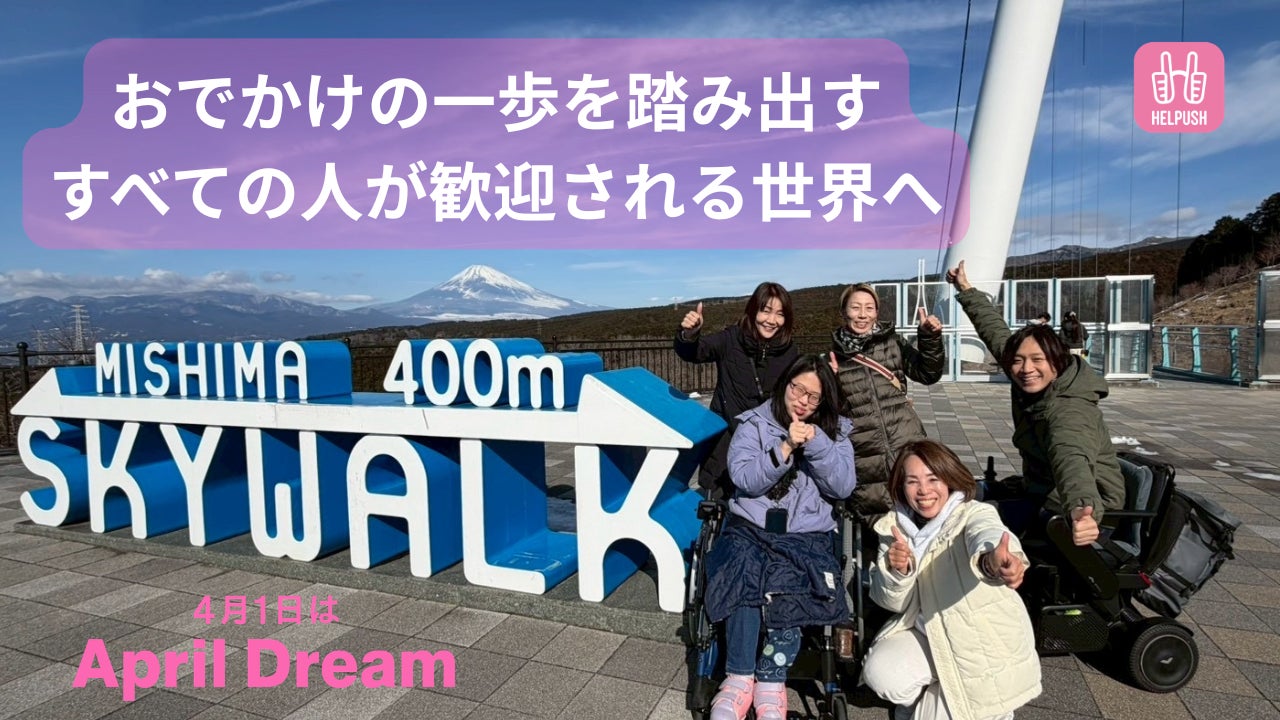
Our company endorses April Dream, an initiative to make April 1st a day for announcing dreams. This press release represents the dream of "HELPUSH Inc."
HELPUSH Inc. (Location: Shinagawa-ku, Tokyo; Representative Director CEO: Yusuke Terada) operates an "Comprehensive Outing Support Service" business. This service aims to fulfill the dream of "I want to go out!" for wheelchair users by carefully listening to their outing aspirations, pre-surveying routes, accompanying them with a dedicated buddy (supporter) on the day of the outing, and later presenting them with an edited video of their enjoyable experience. The plans that wheelchair users have been able to visit will become barrier-free tourism plans that allow people with disabilities, the elderly, and those with strollers, who feel anxious about mobility, to "fulfill their outing dreams."
Background why people with disabilities and the elderly give up on going out
There are three societal barriers that cannot be overcome by "personal motivation" alone, which cause people with disabilities and the elderly, including CEO Terada who is a wheelchair user, to give up on going out.
■ Information barrier: Not knowing where they can go with a wheelchair or given their condition. Unable to plan due to lack of information.
■ Physical barrier: Steps, slopes, narrow passages. Non-barrier-free environments physically hinder movement.
■ Psychological barrier: Unable to ask for help, concerned about others' gazes. Mental walls stop them from venturing outside.
Especially for the elderly, it is said that the mortality rate after 6 years is approximately double for those who "stay at home" and do not go out even once a week. (Research results from Tokyo Metropolitan Institute of Gerontology, published in the online edition of the international journal "International psychogeriatrics")
Terada's personal experience as the origin of the outing business
Terada has used a wheelchair since birth due to cerebral palsy.
As a child, he played baseball in a youth club, studied abroad in the UK as a student, then became a Yoshimoto comedian, a Kabukicho host, hitchhiked across Japan, and achieved 100,000 subscribers as a YouTuber, showing a vibrant personality. Also, he lived in urban areas like Nagoya, Osaka, and Tokyo where train travel was possible, making it easy to go out.
However, when he moved to Nagano Prefecture after the birth of his child, and at that time he couldn't drive, the act of "going out," which had always been normal, suddenly became a high hurdle in Nagano.
"I don't know where I can go in a wheelchair," "It's not barrier-free," "I don't have reliable friends in this new place."
He faced the three societal barriers that make people give up on going out. Gradually, his life became out of sync, and mistakes, failures, and anxieties at work piled up, leading to days of being unable to go out and becoming withdrawn.
Fortunately, Nagano Prefecture is committed to "Shinshu Universal Tourism," which allows people of all ages and abilities to enjoy sightseeing. Being taken to Minamiminowa Village and Achi Village, he saw magnificent scenery, ate delicious food, and had time to forget daily worries and laugh together, which helped him escape his withdrawal. He became convinced that if "places to go" and "people to support" were available, there was no need to give up on going out.
Therefore, he decided to start a business where a dedicated buddy (supporter) accompanies people who feel anxious about mobility due to various reasons such as wheelchair use, disability, or age, to help them take that first step towards going out.
The path to developing barrier-free tourism plans
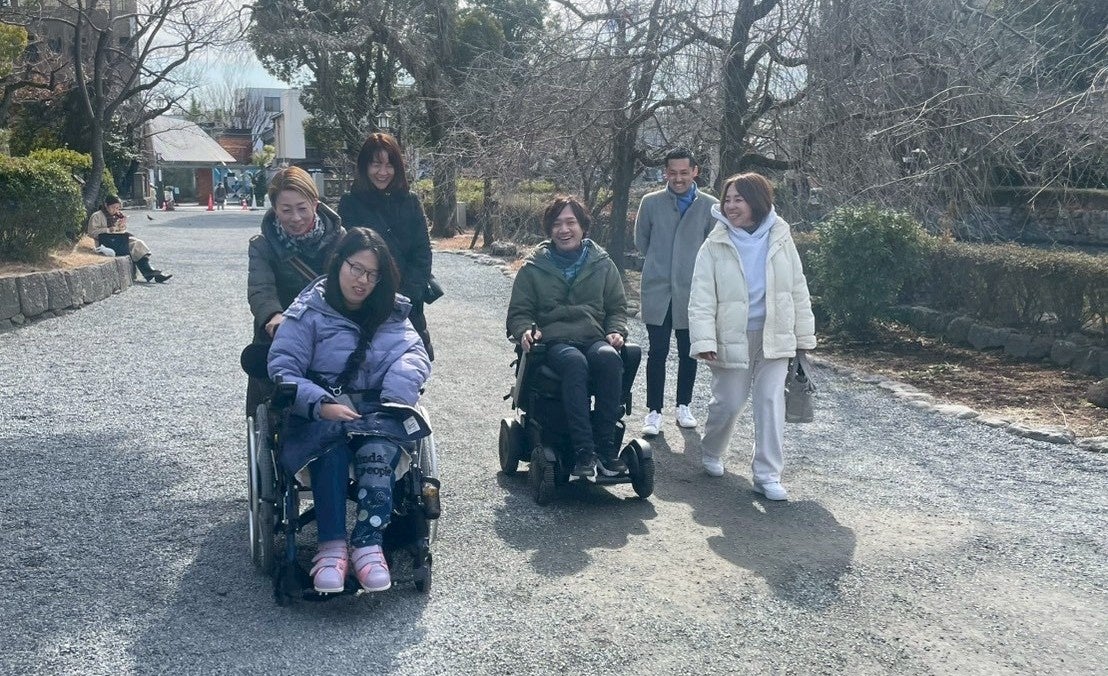
The development of barrier-free tourism plans involves carefully listening to wheelchair users' desires and "where they want to go," then creating a provisional plan in cooperation with the local tourism association of the visited region. We then conduct a pre-survey to check if the provisional plan can be executed smoothly and what routes are best. We believe it is necessary for Terada, as a wheelchair user, to actually visit and confirm from a user's perspective, understanding small steps, slopes, and public transport usage in advance, rather than dealing with them on the day. We resolve the "information barrier" and "physical barrier" that cause people to give up on going out through thorough pre-surveys, and on the day, a dedicated buddy (supporter) accompanies them to resolve the "psychological barrier."
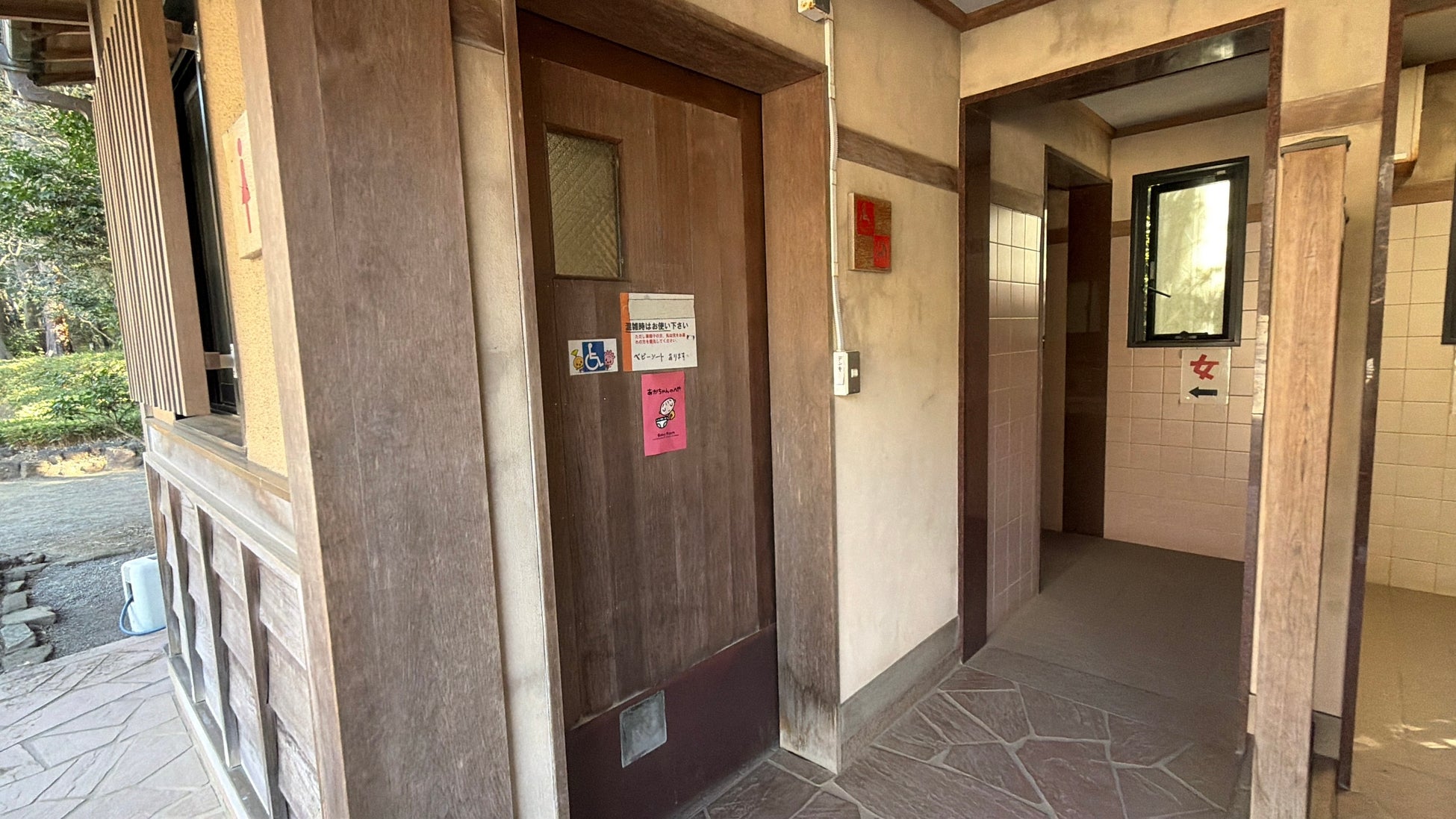
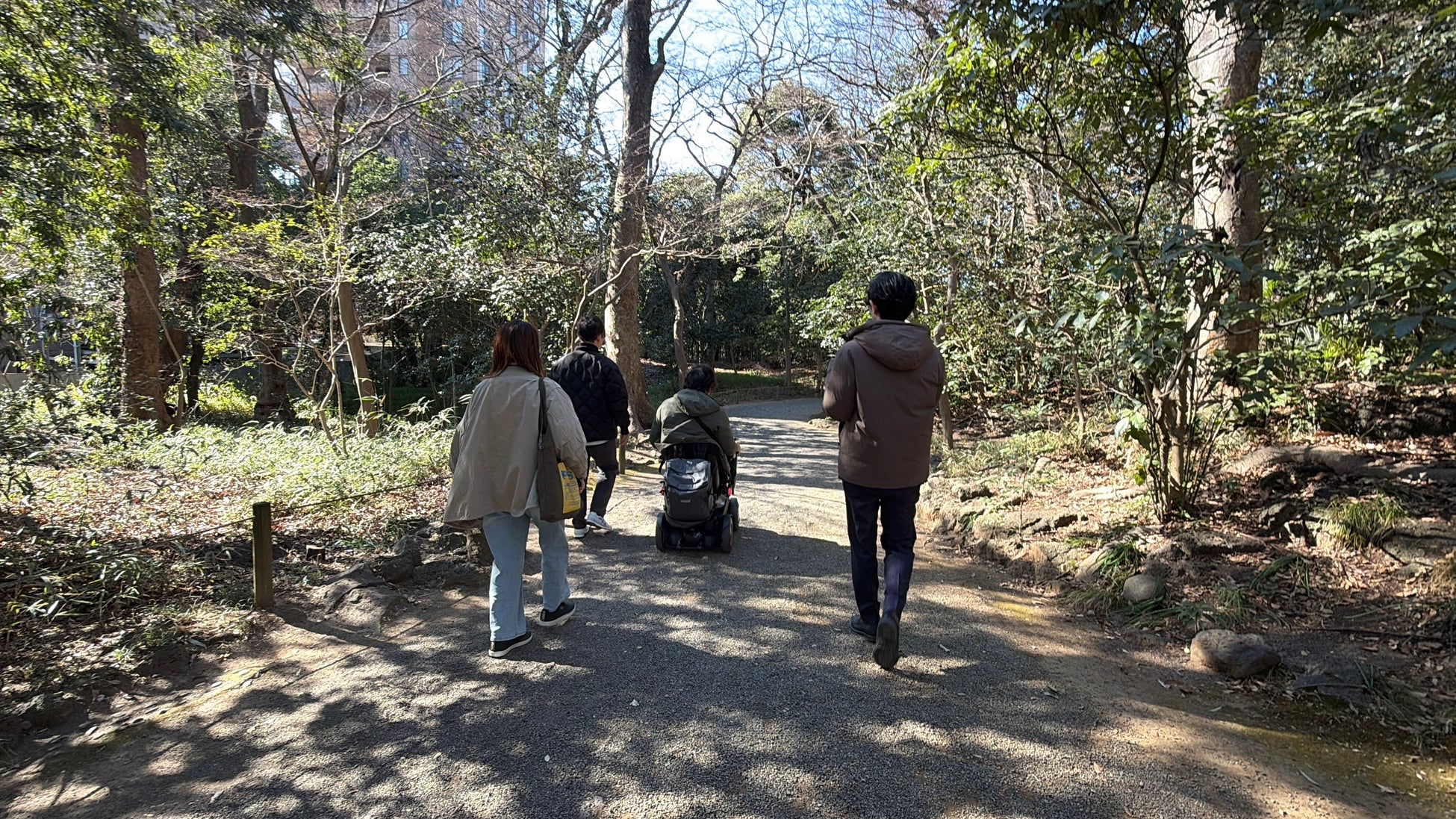
Through the development and implementation of barrier-free tourism plans, we will address the three societal barriers (information, physical, and psychological barriers) faced by people with disabilities, the elderly, and those with strollers who feel anxious about mobility.
Furthermore, the buddy (supporter) who will accompany them on the day also participates in the pre-survey to ensure smooth handling on the actual day.
Based on the pre-surveyed and finalized plan, we conduct the outing and complete it as a "barrier-free tourism plan," helping those who had given up on going out due to mobility concerns to take that first step.
Moreover, by collaborating with tourism associations and local businesses, we believe we can create an environment where people feel welcomed, don't have to worry about others' gazes, and can easily ask for help.
HELPUSH's Challenge: "Creating an environment where wheelchair users can thrive"
As the initiative is still in its early stages, Terada himself conducts the pre-surveys. However, in the future, we aim to create a system where wheelchair users who have utilized the outing plans can then become "surveyors" themselves, conducting pre-surveys "for those who want to go out."
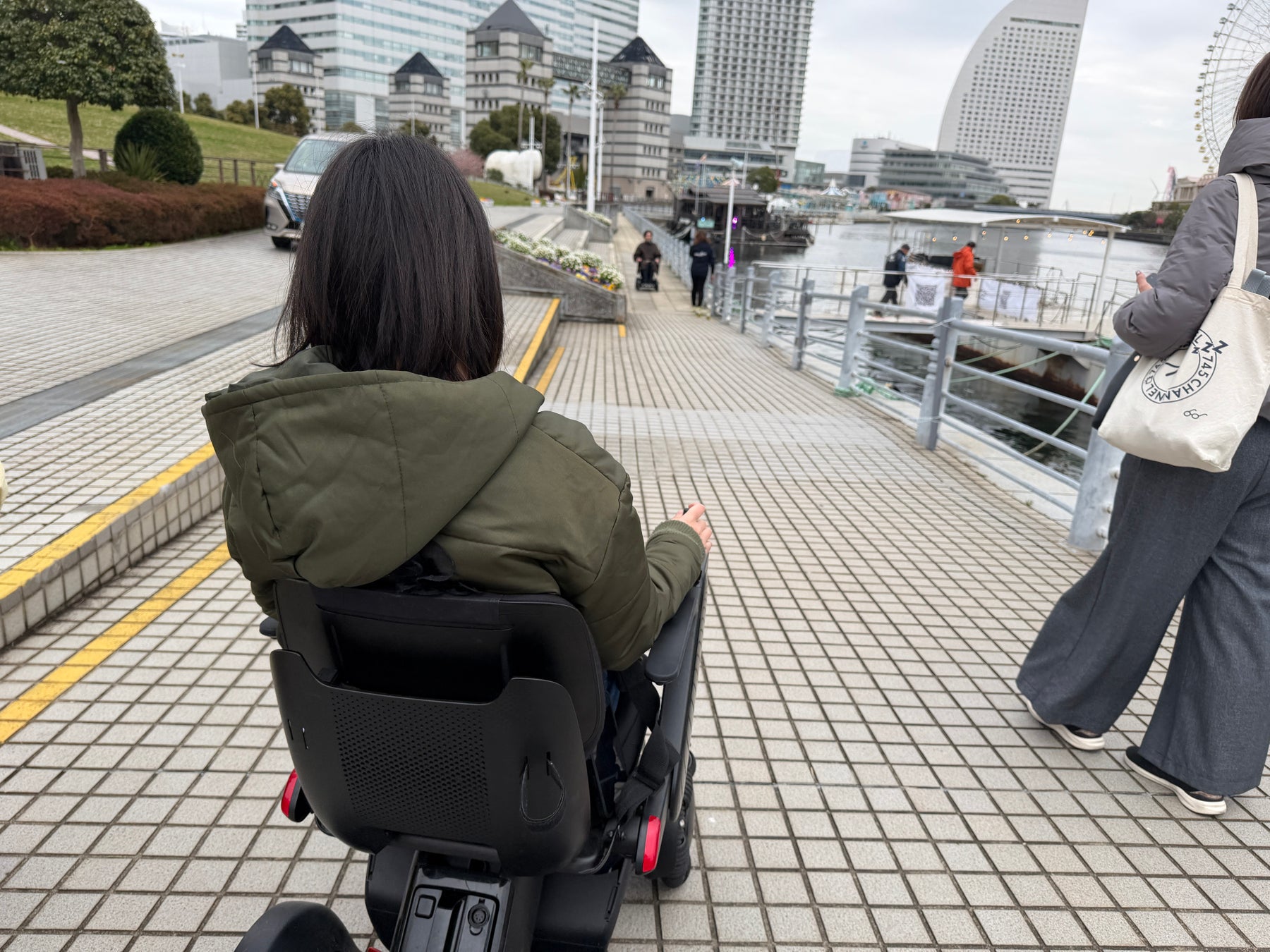
As a first step, we had a young wheelchair user girl who had previously gone on an outing with us participate in a pre-survey. She seemed to feel the joy of being useful to someone, saying, "It makes me happy to be able to help people who want to go out by doing pre-surveys." Even though the statutory employment rate has been raised to 2.5%, there are still hurdles such as a lack of suitable jobs or limited job types for people who want to work. Through the job of a surveyor, we will create an environment where wheelchair users can thrive.
About HELPUSH Inc.
Representative: Yusuke Terada (Yusho), Representative Director CEO
Officers: Kayo Yasuda, Director CCO
Location: Terada Warehouse G1 Building 2F, 2-6-4 Higashi-Shinagawa, Shinagawa-ku, Tokyo
Established: April 15, 2025
URL: https://helpush.jp
FAQ
What is HELPUSH's "Comprehensive Outing Support Service"?
It's a service that comprehensively supports outings for wheelchair users and those with mobility concerns, from interviews and pre-surveys to dedicated buddy accompaniment and video production.
Why are barrier-free tourism plans necessary?
Many people give up on going out due to information, physical, and psychological barriers. These plans aim to eliminate these barriers and provide safe, enjoyable tourism opportunities for everyone.
What are the benefits of wheelchair users becoming surveyors?
It enables accurate information provision from a user's perspective, while simultaneously creating new employment opportunities and social participation for wheelchair users.