Unique Texture and Unparalleled Presence. "Lacquer Building Material" Developed by a Master Carpenter Achieves Non-Combustible Material Certification. Bringing "One-of-a-Kind" Special Ambiance to Facility Interiors.
Heisei Construction has obtained non-combustible certification for its lacquer building material, enabling the introduction of lacquer interiors in public facilities.
📋 Article Processing Timeline
- 📰 Published: April 1, 2026 at 00:14
- 🔍 Collected: April 1, 2026 at 01:06 (52 min after Published)
- 🤖 AI Analyzed: April 16, 2026 at 14:10 (373h 3m after Collected)
Heisei Construction Co., Ltd. (Headquarters: Numazu City, Shizuoka Prefecture), which handles various construction projects, obtained non-combustible material certification for its lacquer building material in 2025.

|
Certification Number |
NM-5963 |
|
Name of Non-Combustible Material |
Natural Lacquer Coated Natural Wood Veneer / Paper Backed / Double-Sided Thin Paper Backed Aluminum Foil Laminated Volcanic Glass Composite Board |
|
Date of Certification Acquisition |
May 9, 2025 |
With this non-combustible material certification, Heisei Construction will deploy "Kukan Shugei" (Space Lacquer Art) in buildings such as large commercial facilities and other public spaces with numerous interior restrictions.
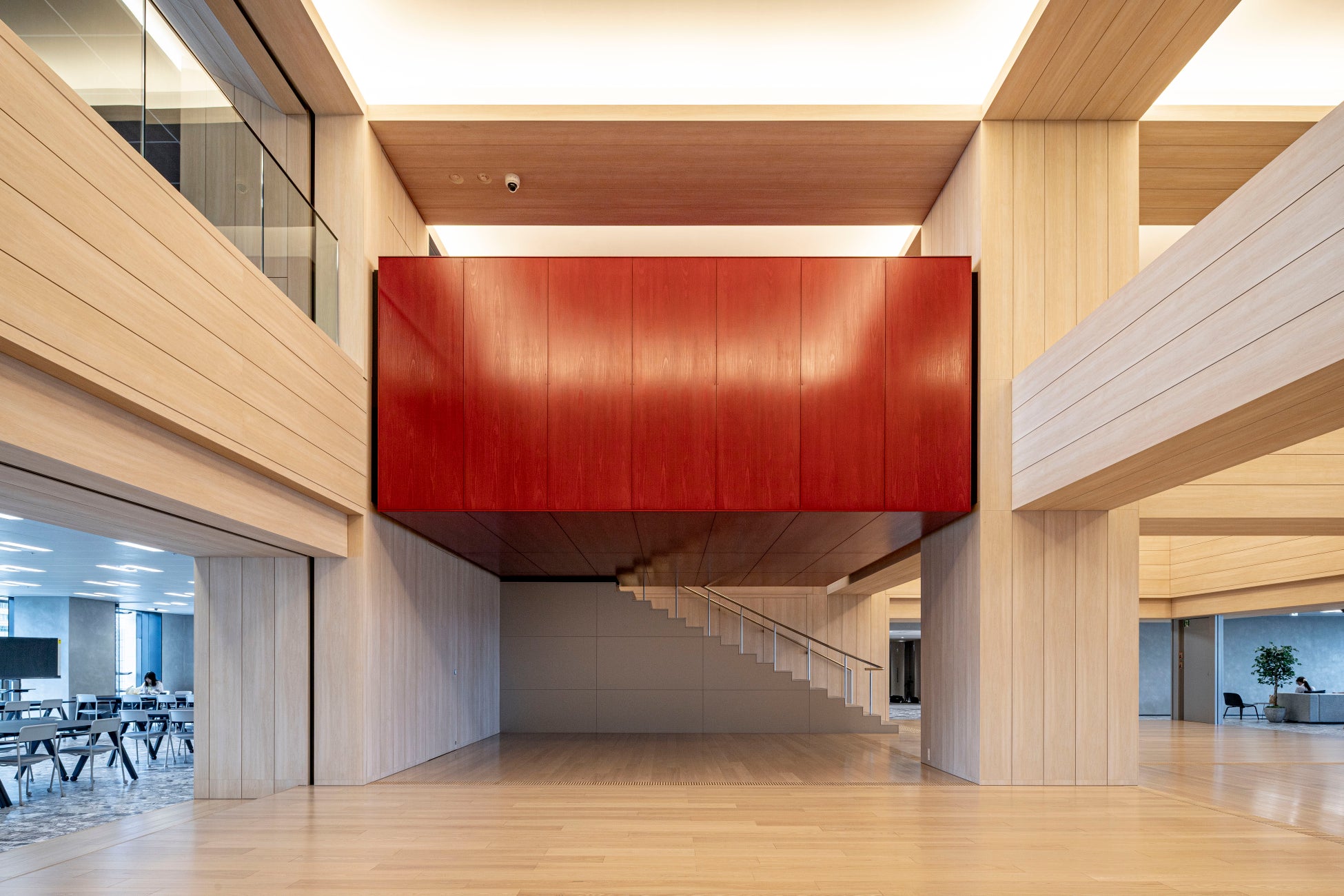
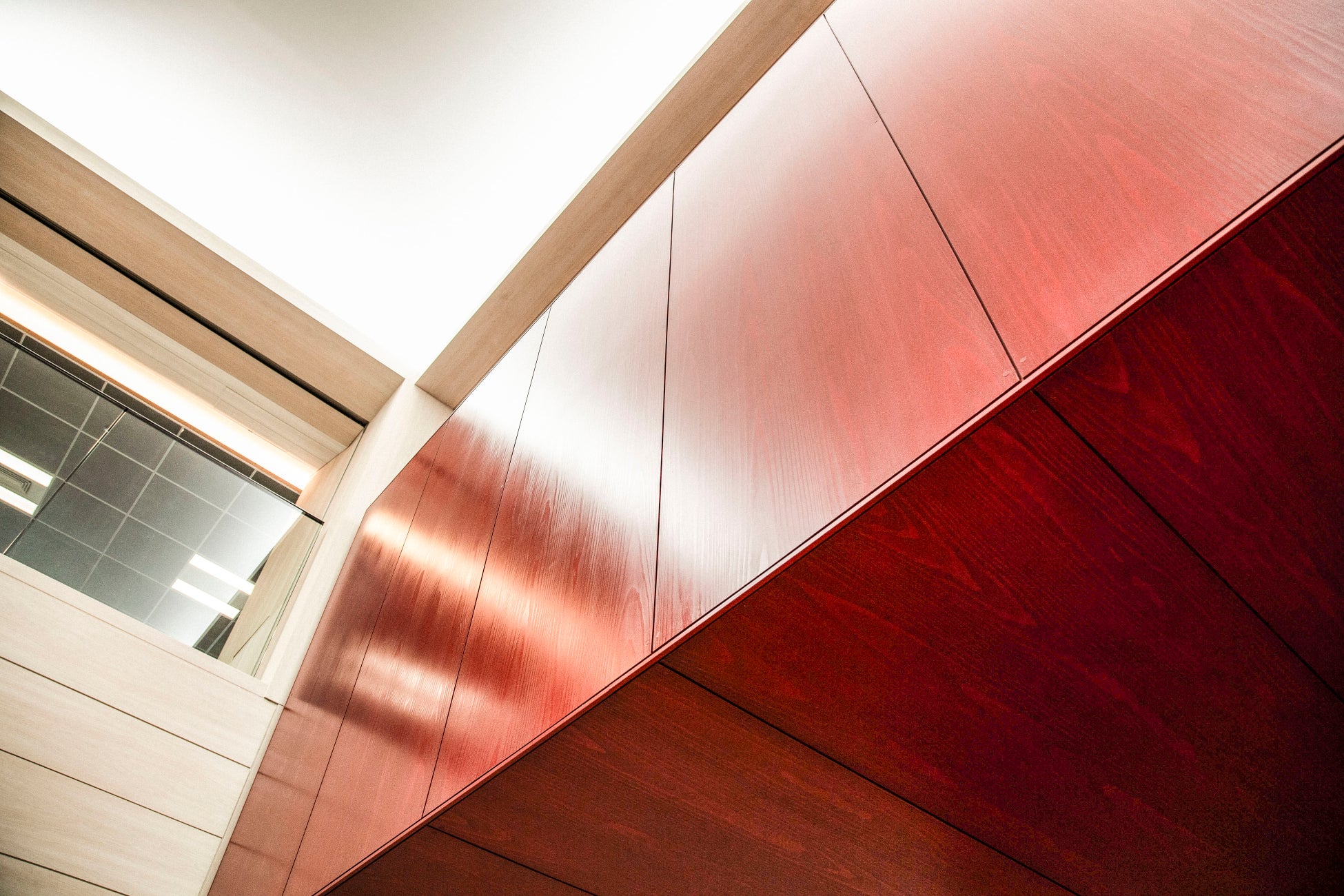
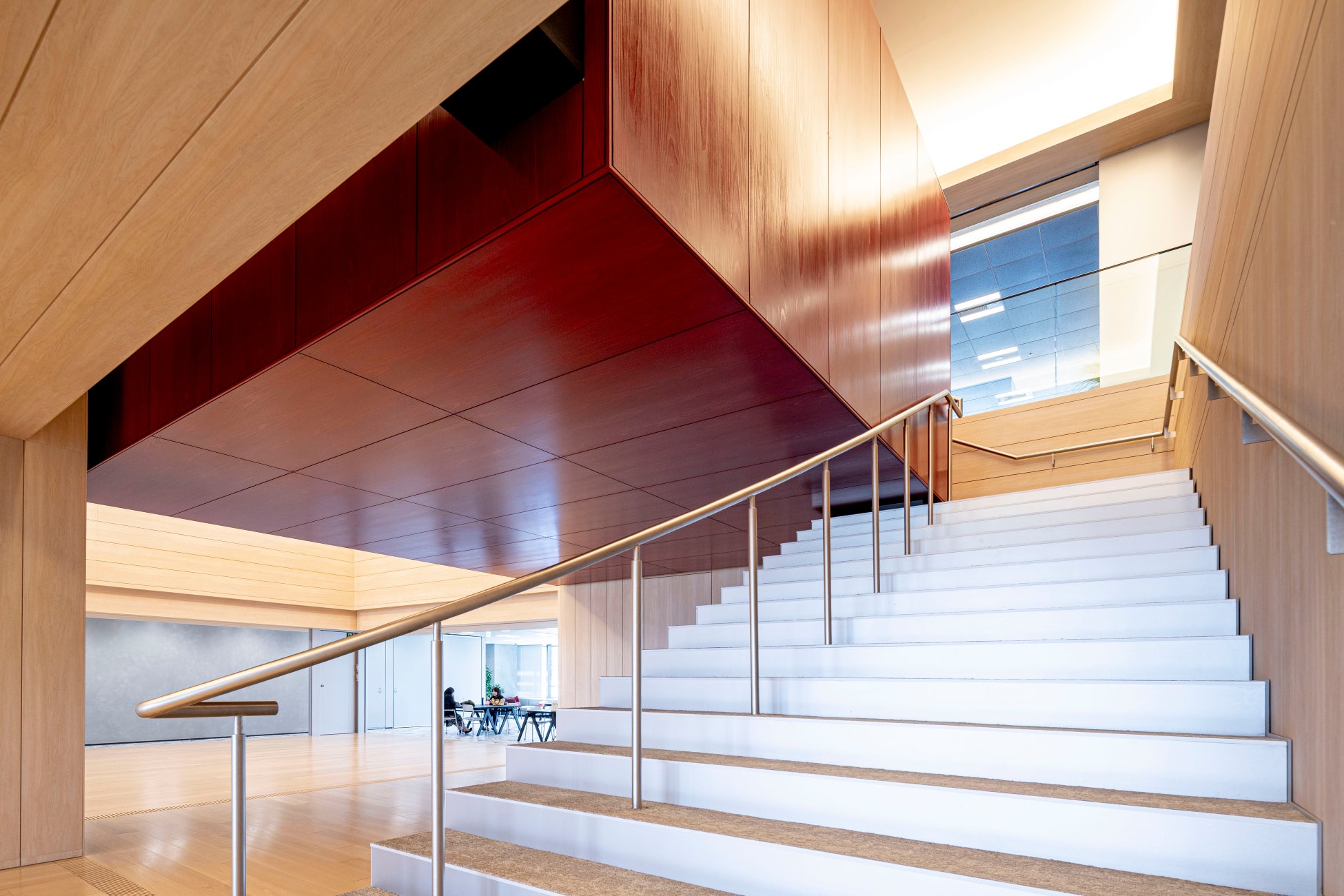
Consideration of Non-Combustible Material Requirements and Opportunities in Various Building Types
Interior restrictions vary depending on the building's use, scale, and structure, requiring different types of fire-resistant materials. Since the lacquer non-combustible material has obtained ministerial certification as a "non-combustible material," it can be applied to areas requiring the strictest fire performance.
Examples of Non-Combustible Material Certification and Lacquer Building Material Considerations
-
Special Buildings
This category includes theaters, hospitals, hotels, department stores, and restaurants, where high fire performance is required in many areas. For example, walls (excluding areas below 1.2m from the floor) and ceilings in these buildings may require "flame-retardant materials" or higher, while corridors, stairs, and ceilings in residential rooms on upper floors may require "semi-non-combustible materials" or "non-combustible materials." -
Large-Scale Buildings
Restrictions apply based on floor area and number of stories (e.g., over 500㎡ total floor area for buildings of 3 stories or more, over 1,000㎡ for 2-story buildings, over 3,000㎡ for single-story buildings). -
Fire-Hazardous Rooms
Walls and ceilings in rooms where fire is used, such as kitchens and boiler rooms, generally require "semi-non-combustible materials" or higher (unless the main structure is fire-resistant).Habitable Rooms Without Windows: Walls and ceilings in habitable rooms lacking windows for lighting or evacuation typically also require "semi-non-combustible materials" or higher.
-
Buildings 11 Stories and Higher
The use of "semi-non-combustible materials" or "non-combustible materials" is mandatory for the walls and ceilings of all habitable rooms, corridors, and stairs. In many cases, similar performance is required for substrate materials. -
Underground Shopping Malls
Similar to buildings 11 stories and higher, strict restrictions are imposed, including on substrate materials.Emergency Elevators, Boarding Lobbies, Evacuation Stairs: The use of "non-combustible materials" is mandatory for walls and ceilings (including substrate materials).
The Next Generation of Possibilities: "Kukan Shugei" Created by a Lacquer Craftsman and Master Carpenter
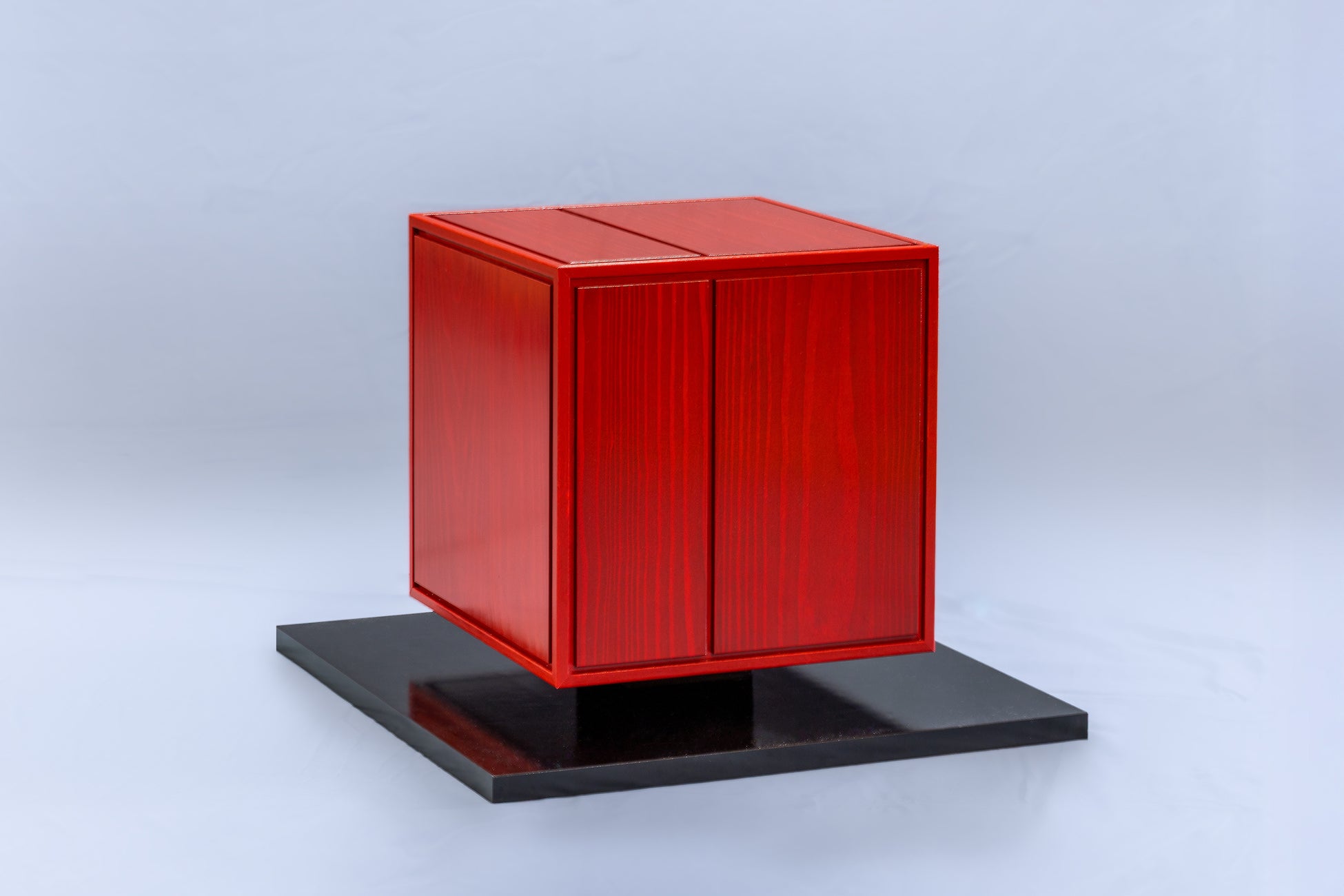
"Kukan Shugei" is the collective term for the lacquer projects developed by Heisei Construction, renowned for its training of carpenters and artisans. In 2015, Tatsuki Aruga, a carpenter at Heisei Construction who researches and develops lacquer building materials, launched this initiative. Lacquer artisans who understand architecture deliver lacquer art suitable for contemporary spaces from both design and construction perspectives, encompassing traditional techniques to cutting-edge expressions.
When one thinks of lacquer, the first images that come to mind are typically tableware, household goods, and artistic crafts. Lacquer is inherently durable, resistant to acids and alkalis, and possesses antibacterial properties. Furthermore, its luster increases with use, enhancing its beauty. As a naturally derived coating, when processed appropriately, it has a pleasant texture and is gentle on the body, which are its characteristics and appeal. If such lacquer can add color to buildings as a building material, a truly unique space can be created.
Moreover, its rarity is expected to add further high added value to the architecture itself.
A Craftsman Challenging the Fusion of Lacquer and Architecture
Heisei Construction's fusion technology of lacquer and architecture has been highly evaluated for its potential from an early stage, with its pioneering technology receiving the Good Design Award in 2017.
Tatsuki Aruga states, "Building materials are not like artworks that you 'cannot touch.' They need durability so that people can touch them. To clear the Building Standards Act with lacquer-based building materials as non-combustible materials, it is necessary to pursue materials that 'can safely accompany people's lives and activities' while preserving the unique beauty of lacquerware and its changes over time." He continues to challenge the further evolution of the lacquer technology he inherited and its expansion into the world of "architecture."
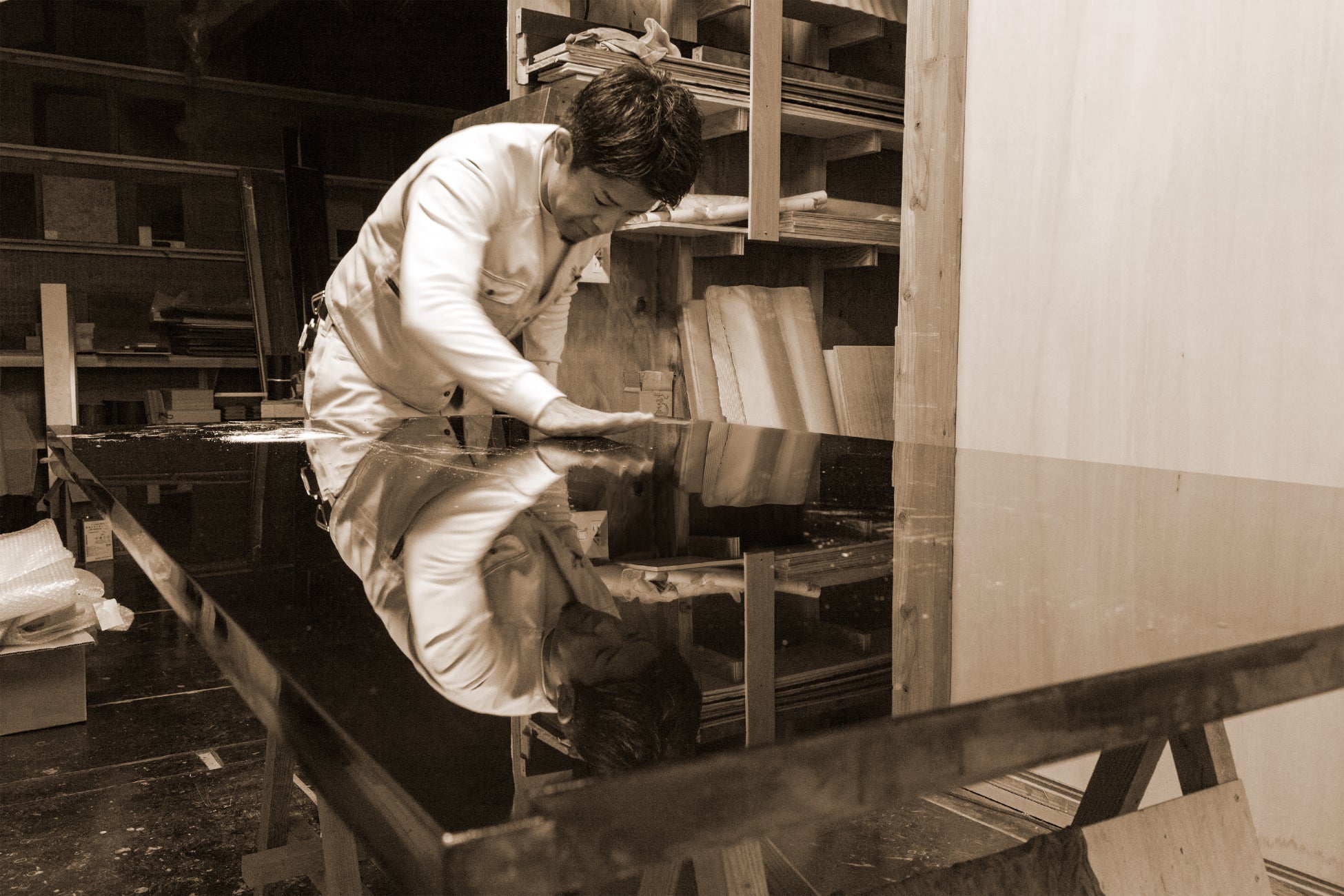
<Kukan Shugei>
・Website | https://www.heiseikensetu.co.jp/urushi/
・1540-1 Ooka, Numazu City, Shizuoka Prefecture 410-0022 (Heisei Construction Kukan Shugei)
▼For inquiries regarding visits or interviews, please contact:
Heisei Construction Co., Ltd. Tatsuki Aruga
TEL: 055-962-1000 / E-mail: tatsuki_aruga@heiseikensetu.co.jp
FAQ
What does the non-combustible certification for lacquer building material mean?
It means that the lacquer building material developed by Heisei Construction has been certified by the Minister of Land, Infrastructure, Transport and Tourism as meeting the performance requirements for non-combustible materials under the Building Standards Act. This enables the application of lacquer in public spaces with strict interior restrictions, which was previously difficult.
What kind of project is "Kukan Shugei"?
"Kukan Shugei" is the collective term for the lacquer projects undertaken by Heisei Construction. It involves lacquer artisans who understand architecture proposing and providing lacquer art suitable for contemporary spaces from both design and construction perspectives, encompassing traditional techniques to cutting-edge expressions.
What are the benefits of lacquer building material?
It is highly durable, resistant to acids and alkalis, and has antibacterial properties. Furthermore, its luster increases with use, enhancing its beauty. It is a natural coating that is pleasant to the touch and gentle on the body. Additionally, the lacquer building material in this case has obtained non-combustible certification, making it highly safe and aesthetically pleasing.
What types of buildings are expected to use this material?
With the acquisition of non-combustible certification, it can be applied to places with strict interior restrictions, such as special buildings like theaters, hospitals, hotels, department stores, and restaurants, as well as large-scale buildings, fire-hazardous rooms, high-rise buildings, and underground shopping malls.
Who is Tatsuki Aruga, the developer?
He is a master carpenter at Heisei Construction, born into a family of lacquer artisans, possessing skills in both lacquer craft and architecture. He leads the research and development of lacquer building materials and has also received the Good Design Award.