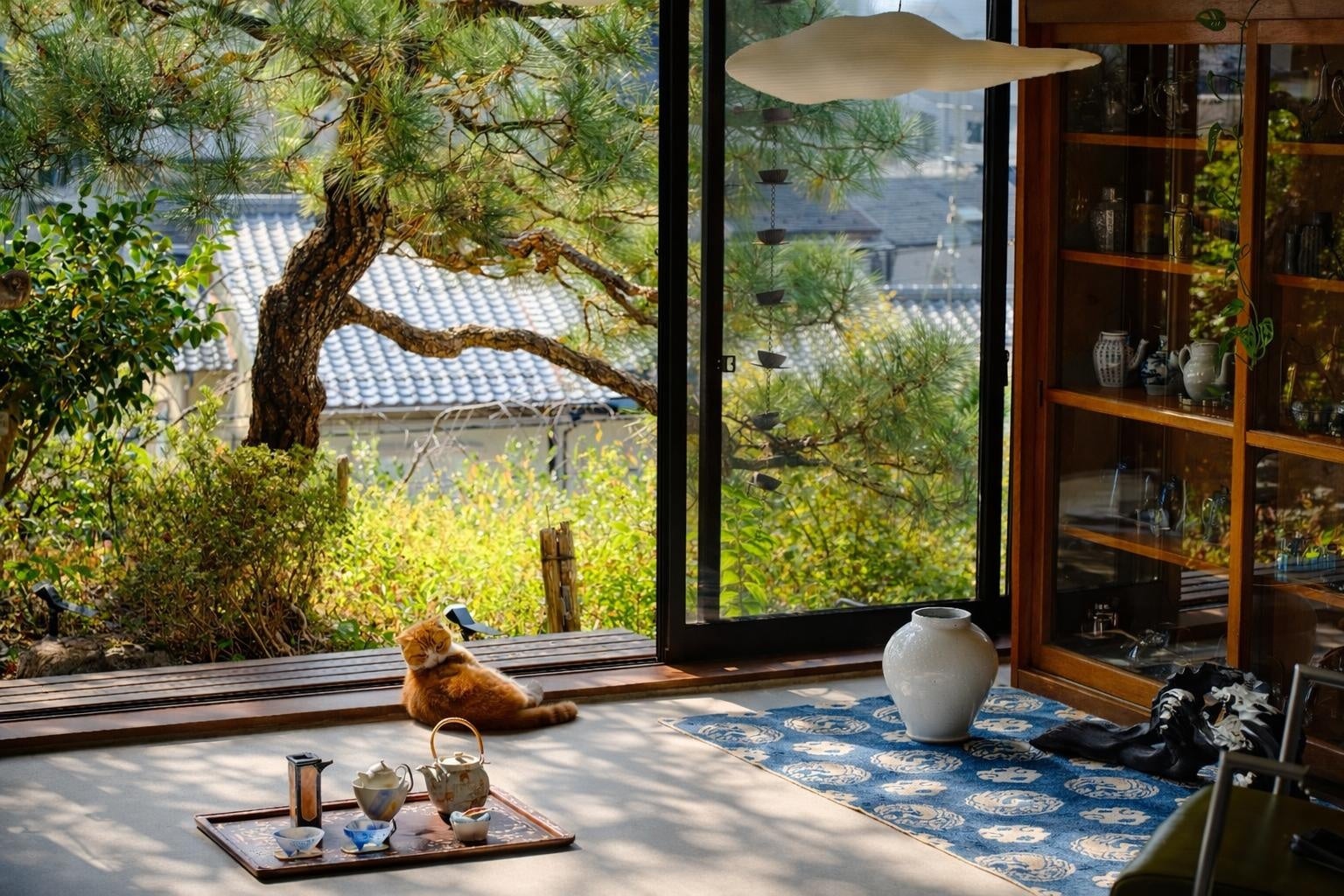
「一百年的時光,無法重新建造。」 這正是全球超富裕階層和投資者們如今對京都傳統町家建築熱切關注的最大理由。
世界主要都市裡林立的最新設備豪華公寓,確實舒適。然而,在現代奢華生活中,無論走到哪裡都被相似的「玻璃盒子」所包圍,真正匱乏的是與土地歷史深度連結的「真實性」。H2 Christie's 所操刀的這個再生計畫,不僅僅是提供居住空間,更是一項文化計畫,旨在傳承經過百年歲月淬鍊的「活的古董」作為資產。
緣廊的風景
收藏西陣的「兩種面貌」
此次公開的兩處房產,皆在保存京都町家傳統工法的前提下,整合了最新設備,是極為稀有的資產。每一處都體現了京都西陣不同的「歷史面貌」。
上京區硯屋町的獨棟住宅
「動」與「繁榮」的記憶:上京區硯屋町『SUZU HOUSE(鈴家)』 位於自平安時代延續至今的織物之街西陣的核心地帶。此處完美再生了當時織物商的審美意識與繁榮象徵的「主屋」與「離屋」兩棟建築結構。連接兩者的美麗「通り庭」(庭院通道)以及通往天空的「火袋」(挑高空間),是京都傳統美學的極致展現。
北區紫野北舟岡町的秘藏宅邸
「靜」與「精神性」的聖域:北區紫野北舟岡町的秘藏宅邸 坐落於風水上被視為平安京玄武(北方守護)的「船岡山」山麓。鄰近大德寺等重要寺院,是充滿京都「真實生活氣息」的靜謐區域。這裡能完全隔絕觀光地的喧囂,作為一個能與自我對話、恢復精神的「終極靜修之所」。
排除「不便」,只留下「美學」
擁有歷史建築最大的障礙在於「寒冷」和「設備老舊」。我們保留了百年歷史的粗大樑柱,以及手工
常見問題
What is the main appeal of Kyoto's Nishijin machiya for the ultra-wealthy?
The main appeal lies in their "authenticity" and deep connection to the land's history, offering a unique cultural asset that cannot be replicated by modern constructions. They represent "living antiques" with over 100 years of history, providing a sense of exclusivity and heritage.
What are the two distinct characteristics of the properties offered by H2 Christie's in Nishijin?
The two properties embody different historical aspects of Nishijin. One, 'SUZU HOUSE,' represents "movement" and "prosperity" with its traditional merchant house structure. The other, a secluded residence in Murasakino Kitafunaoka-cho, offers a sanctuary of "stillness" and "spirituality," ideal for retreat and self-reflection.
How does H2 Christie's address the potential drawbacks of owning a historic building?
H2 Christie's focuses on eliminating "inconveniences" like coldness and outdated facilities while preserving the "aesthetics" and historical integrity. They integrate modern amenities without compromising the original structure's charm and character, such as preserving 100-year-old beams and pillars.
What is the significance of the Nishijin district?
Nishijin is a historic textile district in Kyoto that has existed since the Heian period. It is known for its traditional craftsmanship, aesthetic sensibilities, and the prosperity of its former textile merchants, making its architecture a symbol of cultural heritage.