「春天來了想換穿搭」74% —— 但選衣服是「看氣溫而非心情」?阻礙春季穿搭的3大難關是?
春天穿搭意願高,但溫差、花粉等「3大難關」成為購買與穿著的障礙。
📋 文章處理履歷
- 📰 發表: 2026年3月30日 20:00
- 🔍 收集: 2026年3月30日 22:56(發表後2小時56分鐘)
- 🤖 AI分析完成: 2026年4月16日 07:06(收集後392小時10分鐘)
la belle vie株式會社的社群聆聽專案 TREND LAB. 進行了「季節與日常意識調查」,約有360人回覆。
調查結果顯示,感受到春天時回答「想改變穿搭」的人佔74%,然而每天早上選衣服時,以「心情」為基準的人僅佔15%,且發現春季穿搭存在「溫差」、「體型」、「花粉」這「3大難關」。
本次調查重點
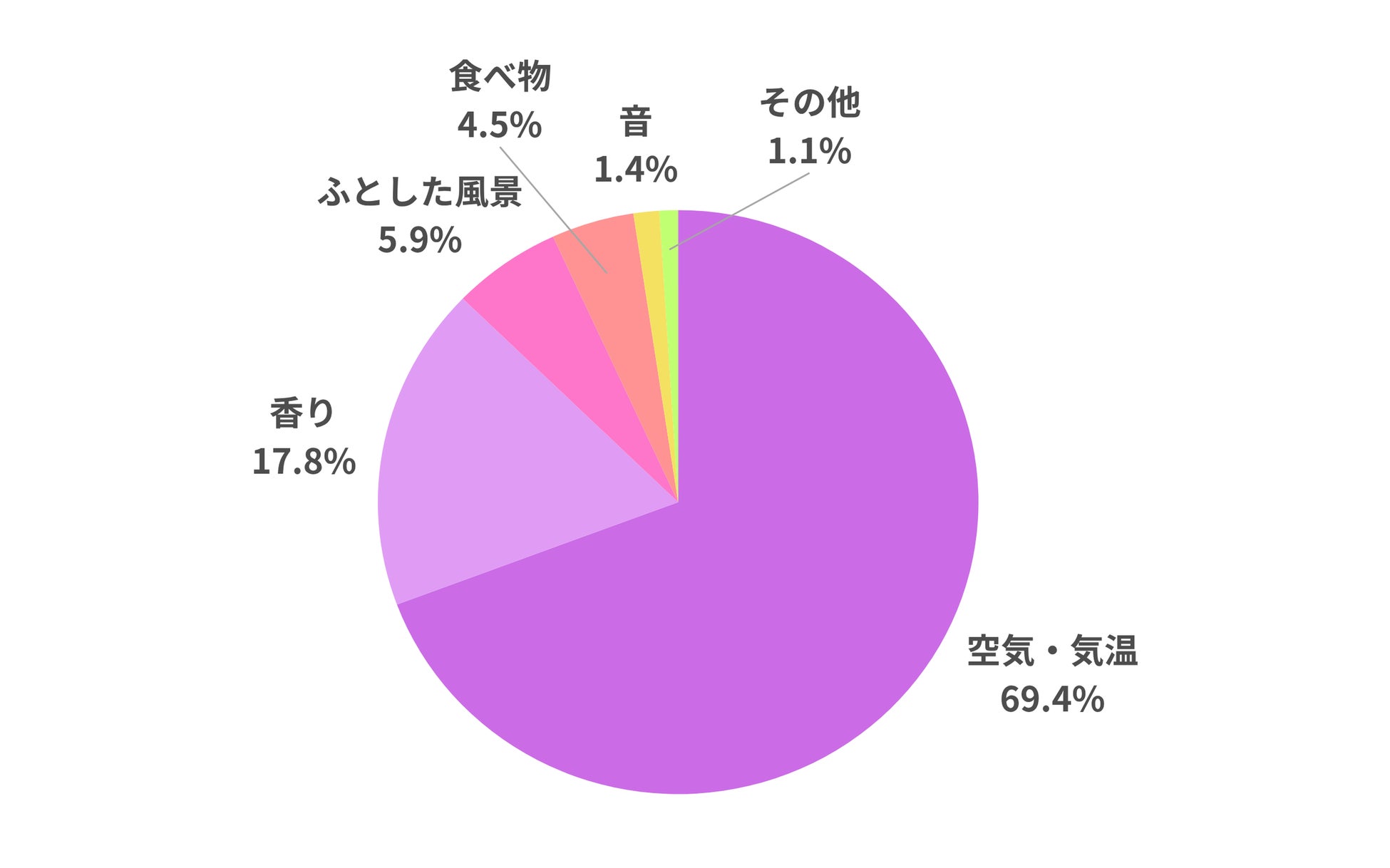
感受到春天時,第一名是「空氣・氣溫」佔69.4%
感受到春天時,74%的人「想改變穿搭」
然而,選衣服是「看氣溫・TPO」而非「心情」
阻礙春季穿搭的「3大難關」:溫差、體型、花粉
感受到春天時,74%的人「想改變穿搭」
根據問卷調查,感覺到「啊,春天來了」的瞬間,最多人選擇的是「空氣・氣溫(69.4%)」。這顯示出,比起日曆上的日期或風景,透過肌膚感受到的氣候變化,才是讓人實際感受到季節到來的契機。
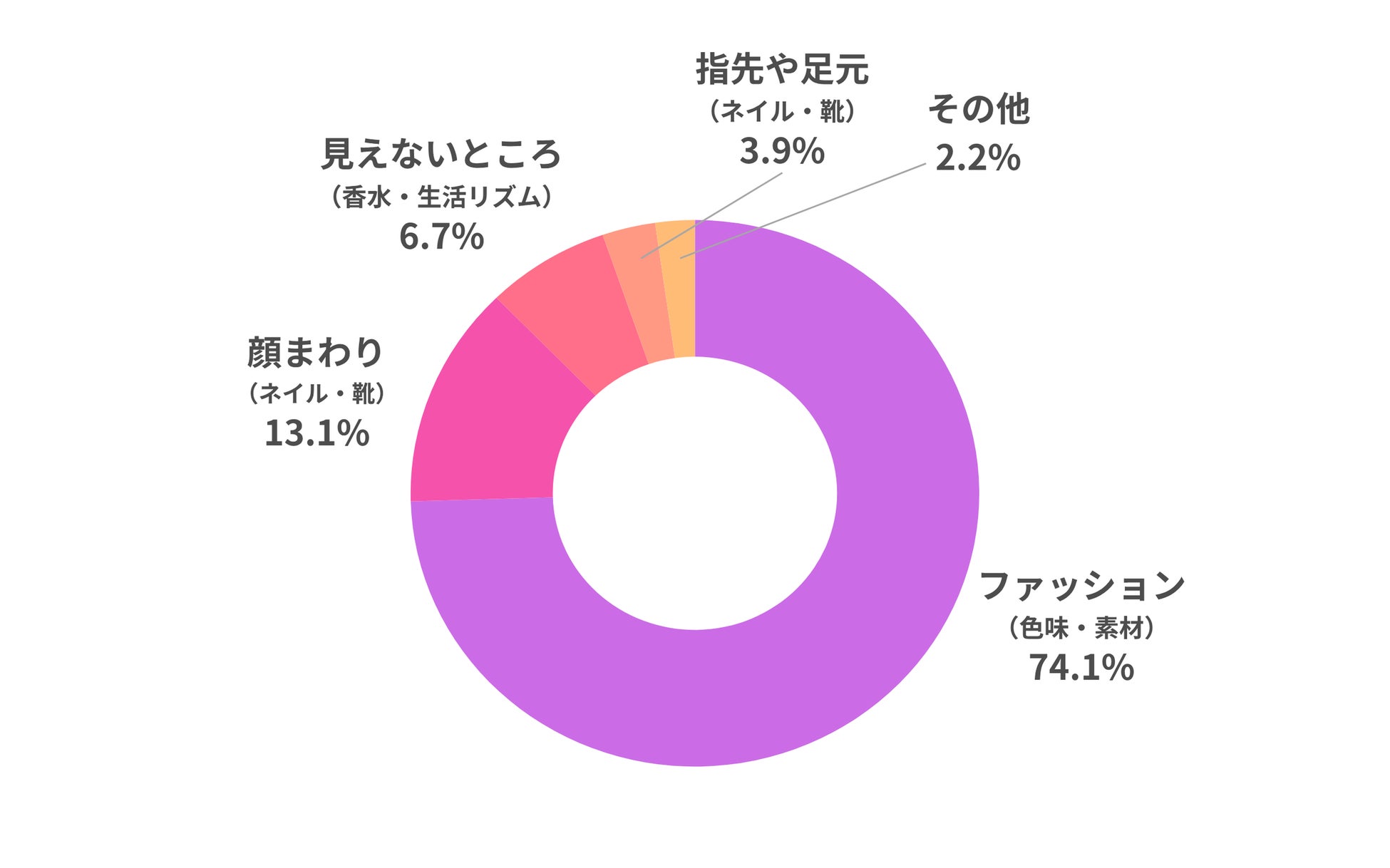
此外,感受到春天的空氣時,有74%的受訪者表示「想改變穿搭(顏色・材質)」。由此可見,人們有很高的意願藉由季節變化來更新服裝。
從自由回答中,也發現許多人渴望擺脫冬天的厚重感,並融入明亮的色彩和輕盈的材質。
擺脫冬天:「或許是因為冬天比較常穿深色系的衣服,春天來了就覺得一定要穿上色彩鮮豔的衣服!」
嚮往明亮色彩:「盡量會注意穿著明亮的色彩搭配」、「嘗試搭配粉彩色系的單品」。
Q1. 什麼時候會讓你感覺「啊,春天來了」?
Q2. 當你想到「春天來了,想做些改變」時,最先關注的是什麼?
常見問題
What is the main finding of the survey regarding spring fashion?
The survey found that 74% of people want to change their fashion when they feel spring, but their clothing choices are primarily based on temperature and TPO (Time, Place, Occasion) rather than mood. Key barriers to spring fashion include temperature fluctuations, body shape concerns, and pollen.
What is the most common trigger for feeling that spring has arrived?
The most common trigger is the change in 'air and temperature,' cited by 69.4% of respondents. This indicates that physical sensations of climate change are more impactful than calendar dates or scenery.
What are the "3 barriers" that hinder spring fashion choices?
The three main barriers identified are: 1. Temperature fluctuations (寒暖差), 2. Body shape concerns (体型), and 3. Pollen (花粉).
What aspect do people most want to change when they feel spring?
The primary focus for change is 'fashion (colors and materials),' with 74.09% of respondents prioritizing this. Other areas include hair/makeup (13.09%) and unseen aspects like perfume or daily rhythm (6.69%).
What are some examples of people's desires for spring fashion?
Respondents expressed a desire to 'escape from winter' by incorporating brighter colors and lighter materials, moving away from the darker tones often worn in colder months.