Updating Evacuation Drills to Create a Society with Zero Earthquake Fatalities.
The dream of an NPO aiming for a society with zero earthquake fatalities by updating evacuation drills.
📋 Article Processing Timeline
- 📰 Published: April 1, 2026 at 09:00
Our organization supports April Dream, an initiative to share dreams on April 1st. This press release is the dream of NPO Disaster Reduction Education Promotion Association.
Our Vision for This Dream
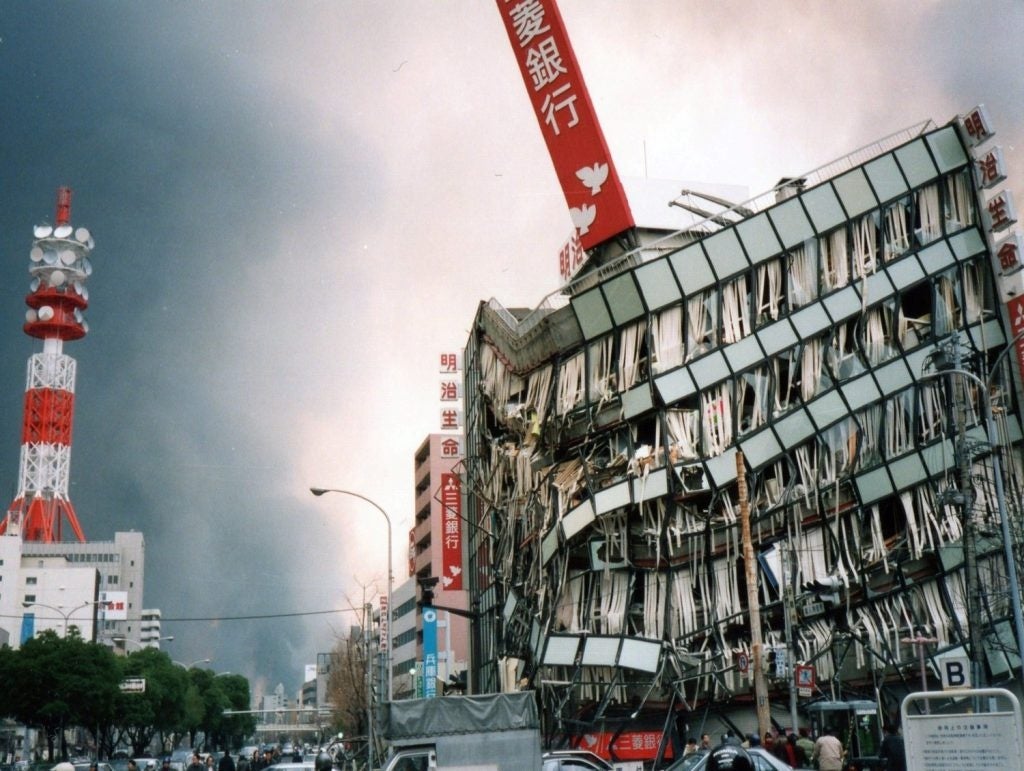
Japan is one of the world's most seismically active countries, suffering significant damage almost every year. However, the "evacuation drills" that are supposed to protect our lives harbor major structural challenges.
A survey conducted on 2,577 educators and childcare providers in 12 prefectures revealed that 85% responded they "did not correctly understand the disaster/damage anticipated in their region (it differed from their imagination)." Furthermore, 69% answered that "current preparations and drill content are insufficient (or unknown) for the actual anticipated scenarios." (Joint research with Professor Yasunori Hata, Faculty of Crisis Management, Nihon University)
Evacuation drills that merely repeat the same procedures and poses year after year, without understanding the impending dangers, cannot foster the "judgment skills" needed to respond effectively during actual disasters, where situations change moment by moment.
The NPO Disaster Reduction Education Promotion Association aims to realize a society where everyone can acquire the "ability to survive" by fundamentally updating these evacuation drills, which make it difficult to develop judgment skills.
Approach to Realizing the Dream (How to Achieve It)
Instead of relying on mental fortitude at the scene, we are advancing a "Community-Wide Disaster Prevention Update" based on the latest data and fundamental safety principles, with the following three pillars:
1. Shifting from "Waiting for Instructions" to Drills that "Think and Act Independently" (Risk to Action)
Traditional evacuation drills often remain at the level of "reproducing actions," merely following predetermined movements. We use the administrative "Regional Disaster Prevention Plans" and "Damage Projections" as the starting point for our drills. By firmly connecting the anticipated dangers (preconditions) with actual actions, we redesign the drills to "think, judge, and act independently," tailored to the current environment and the developmental stage of children.
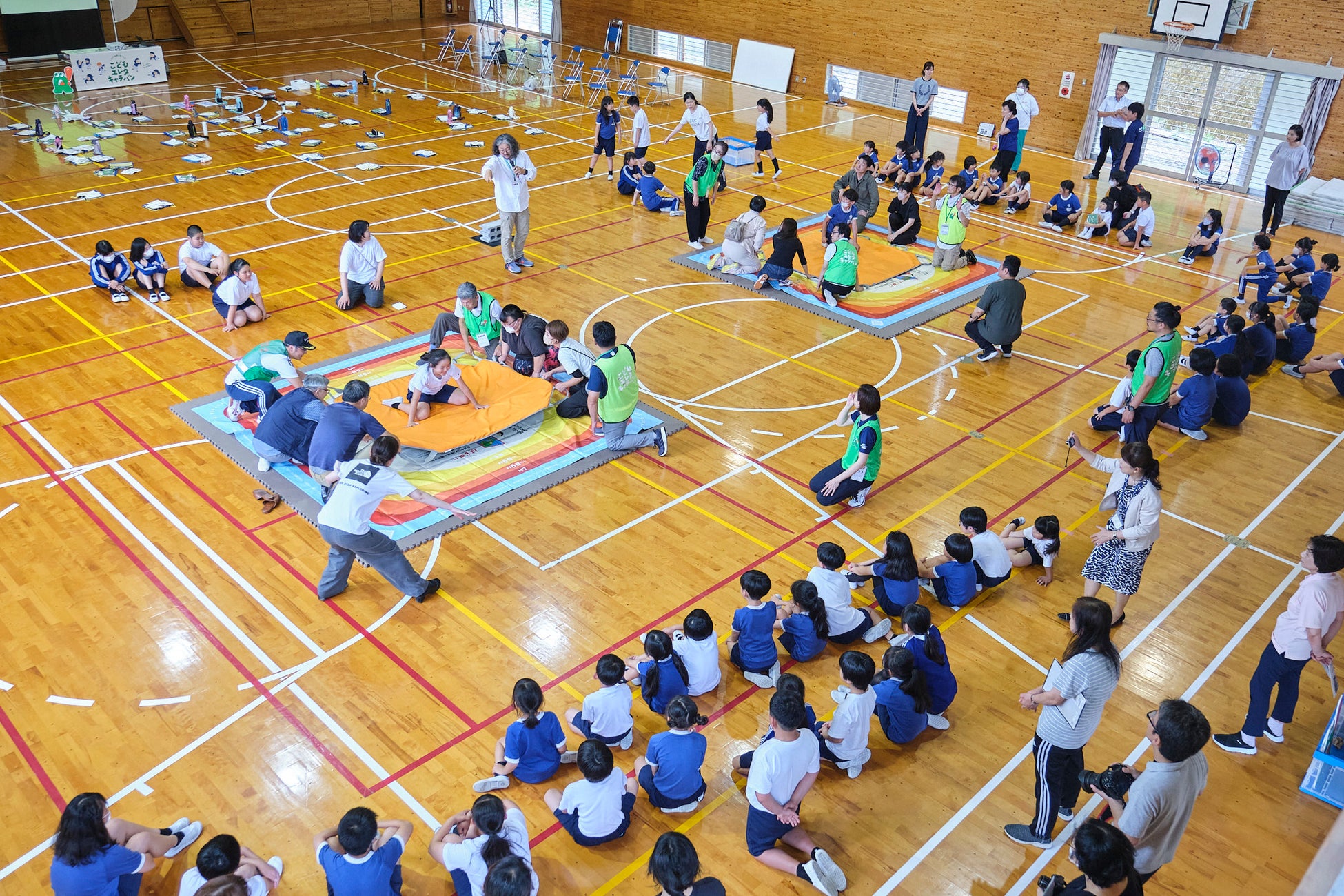
2. Cultivating "Evasion Techniques Usable in Real Situations" through Practical Experiential Learning Materials
The "roly-poly pose" (protecting the head and staying still), widely taught nationwide, has limitations and can be dangerous when there is a risk of falling objects from the ceiling or during tremors of Intensity 6 or higher (when one cannot move without crawling).
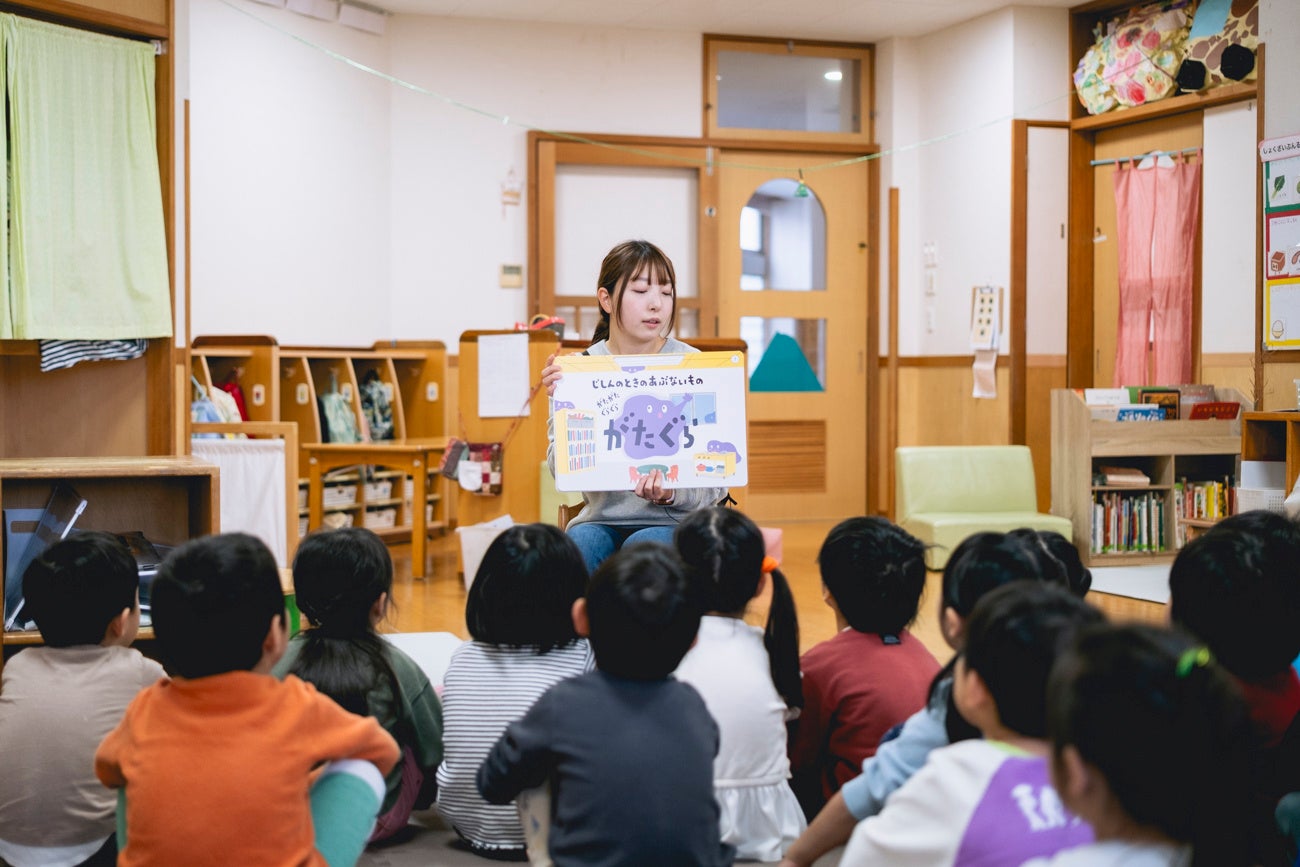
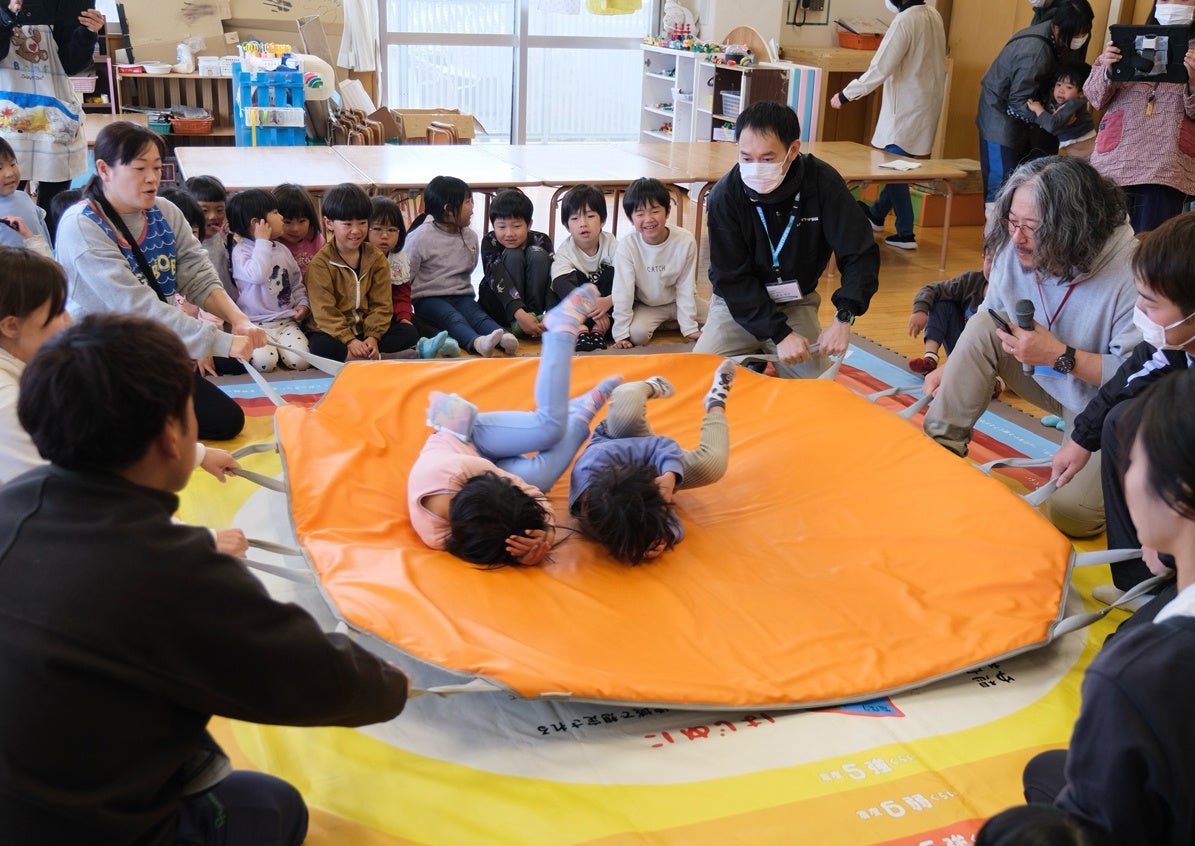
Therefore, we introduce materials such as the "YURETA" mat, which allows experiencing earthquake intensity anywhere, and the disaster reduction picture-story show "Gatagura." Participants learn evasion techniques that are truly useful in real disasters, such as the "frog" and "lizard" poses, which involve escaping while observing surrounding dangers even during strong tremors.
3. Creating a Community-Integrated System that Doesn't Blame "Someone" for Damage
Instead of placing the responsibility for disaster prevention solely on specific entities (such as schools or childcare facilities), we share the same damage projections among administrative bodies, companies, and local residents.
By entering into partnership agreements and cycling through "sharing projections → redesigning realistically → practicing → reviewing," we establish a system where the entire community continuously supports safety, rather than treating it as a one-off event.
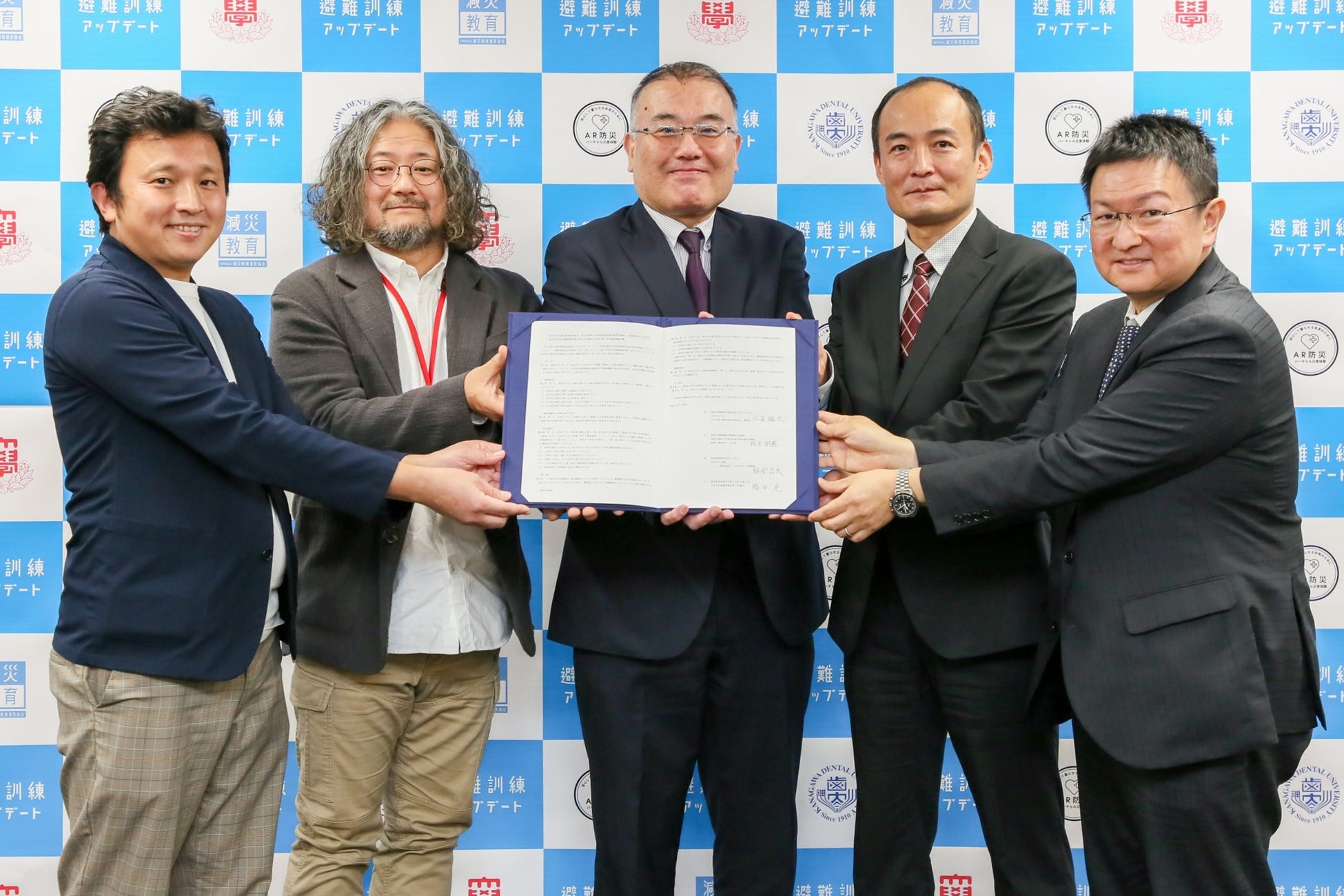
The World We Aim For
From formalized evacuation drills to "experiential, practical" disaster prevention education.
Towards a society where everyone, from children to the elderly, can prepare for realistic regional disaster projections.
Challenging the unprecedented goal of zero earthquake fatalities.

#AprilDream
This press release is part of the April Dream 2026 initiative.
PR TIMES Inc. "April Dream" Project
NPO Disaster Reduction Education Promotion Association
We are an NPO dedicated to disaster reduction education that views risks from the perspective of potential damage and aims to protect lives.
Disaster reduction is a concept that fosters the ability to make choices and take action based on the situation, assuming that some damage is unavoidable and weaknesses exist.
While disaster prevention is often discussed with the premise that damage can be prevented, we aim to cultivate judgment and response capabilities that can withstand real disasters through education.
FAQ
What is April Dream?
April Dream is a project operated by PR TIMES where companies share their dreams. April 1st is designated as "Dream Day," a day to cherish dreams, and various dreams are shared.
Why is it necessary to update evacuation drills?
Current evacuation drills have structural issues: they are often conducted without a proper understanding of anticipated disasters and damages, repeating the same procedures annually, which makes it difficult to foster the "judgment skills" useful in actual disasters. It is necessary to update them to more practical drills based on the latest data and safety principles.
What specific initiatives are involved in the "Community-Wide Disaster Prevention Update"?
It is being advanced with three pillars: shifting from "waiting for instructions" to drills that "think and act independently," cultivating "evasion techniques usable in real situations" through practical experiential learning materials, and creating a community-integrated system that doesn't blame "someone" for damage.
What are the limitations of the "roly-poly pose"?
The "roly-poly pose" can be dangerous when there is a risk of falling objects from the ceiling or during strong tremors of Intensity 6 or higher, where one must crawl to move. Therefore, we also learn poses like the "frog" and "lizard" that are more suited to real disasters.
What kind of world are you aiming for?
We aim to transition from formalized evacuation drills to experiential, practical disaster prevention education, creating a society where everyone, from children to the elderly, can prepare for realistic regional disaster projections, and achieving the goal of zero earthquake fatalities.