FANCL Corporation analyzed the relationship between "breakfast" and "nutritional status/health concerns" among 26,489 individuals aged 20 to 69 who eat breakfast, out of a total of 33,246 individuals who made their first purchase of the custom-made supplement "Personal One." This analysis was based on urine test results and responses to questionnaires on dietary and lifestyle habits, collected from healthy individuals.
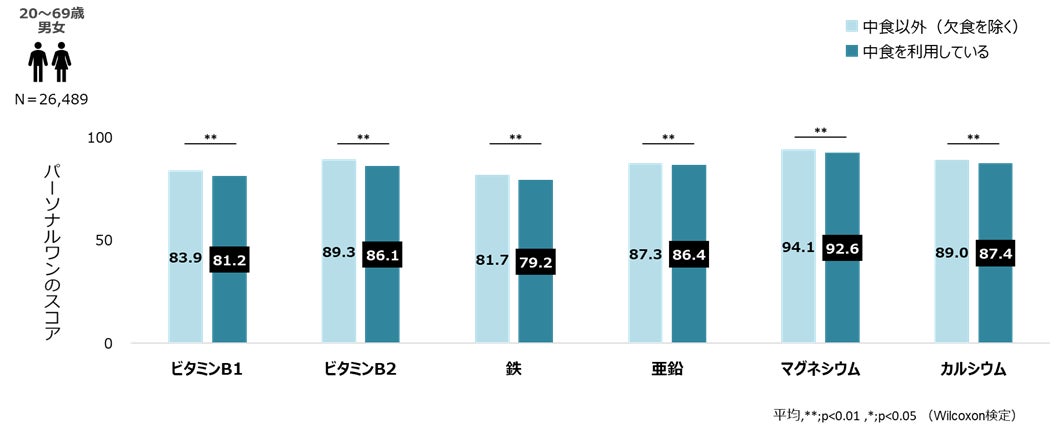
The results showed that individuals who consumed "ready-to-eat" meals (defined as commercially prepared bento boxes, instant foods, side dishes, etc., including bread) for breakfast had lower levels of zinc and calcium compared to those who did not consume ready-to-eat meals. This trend was similar to those who skipped breakfast altogether. Furthermore, a significantly higher proportion of individuals who had ready-to-eat meals for breakfast reported experiencing fatigue and stress. 【Survey Result Topics】 ① People who have "ready-to-eat" meals for breakfast have lower levels of vitamins and minerals Compared to those who did not have ready-to-eat meals, a trend of lower vitamin and mineral sufficiency was observed. Specifically, "zinc" and "calcium" levels were similar to those who skipped breakfast. ② People who have "ready-to-eat" meals for breakfast tend to feel fatigued Compared to those who did not have ready-to-eat meals, a higher percentage of respondents reported "feeling lingering fatigue," "getting tired easily after prolonged activity/lacking stamina," and "becoming more easily fatigued than before." ③ People who have "ready-to-eat" meals for breakfast tend to feel stressed and experience mood disturbances Compared to those who did not have ready-to-eat meals, a higher percentage of respondents reported "inability to relieve stress," "feeling irritable," and "feeling down."
※ Analysis was conducted on 26,489 individuals aged 20 to 69 who consume breakfast, out of a total of 33,246 individuals who made their first purchase of the custom-made supplement "Personal One." A comparison was made between those who responded that their main breakfast style was "ready-to-eat" (commercially prepared bento boxes, instant foods, side dishes, etc., including bread) and those who responded otherwise (excluding those who skipped breakfast).
Since launching supplements in 1994, we have supported the health of many customers through "health foods." In recent years, we have recognized the increasing importance of "sleep" and "exercise" due to diversifying lifestyles. Therefore, this business, now in its 31st year, will evolve into a "Health Support Company" that comprehensively supports customer health by strengthening the elements of "sleep" and "exercise" in addition to the existing support for "diet (nutrition)" through health foods, in order to be closer to the health of more customers. As part of this initiative, we will regularly release the "FANCL Health Big Data Survey," which analyzes urine tests and responses to dietary and lifestyle questionnaires from over 30,000 people, to raise awareness of the importance of "diet," "sleep," and "exercise." This time, we have compiled the results of an analysis of the relationship between "breakfast" and "nutritional status/health concerns." 【Detailed Survey Results】 ① People who have "ready-to-eat" meals for breakfast have lower levels of vitamins and minerals In the "Personal One" dietary and lifestyle questionnaire, it was found that individuals whose main breakfast style was "ready-to-eat" (commercially prepared bento boxes, instant foods, side dishes, etc., including bread) had significantly lower levels of vitamins and minerals (Vitamin B1, Vitamin B2, Iron, Zinc, Calcium, Magnesium) compared to those who did not consume ready-to-eat meals (excluding those who skipped breakfast).
Specifically, zinc and
FACT BOX
- Source: PR TIMES
- Category: News