Plastic Recycling Company esa Launches Japan's First Complex Plastic-Specific Factory, Accelerating Resource Circulation Infrastructure from an Economic Security Perspective
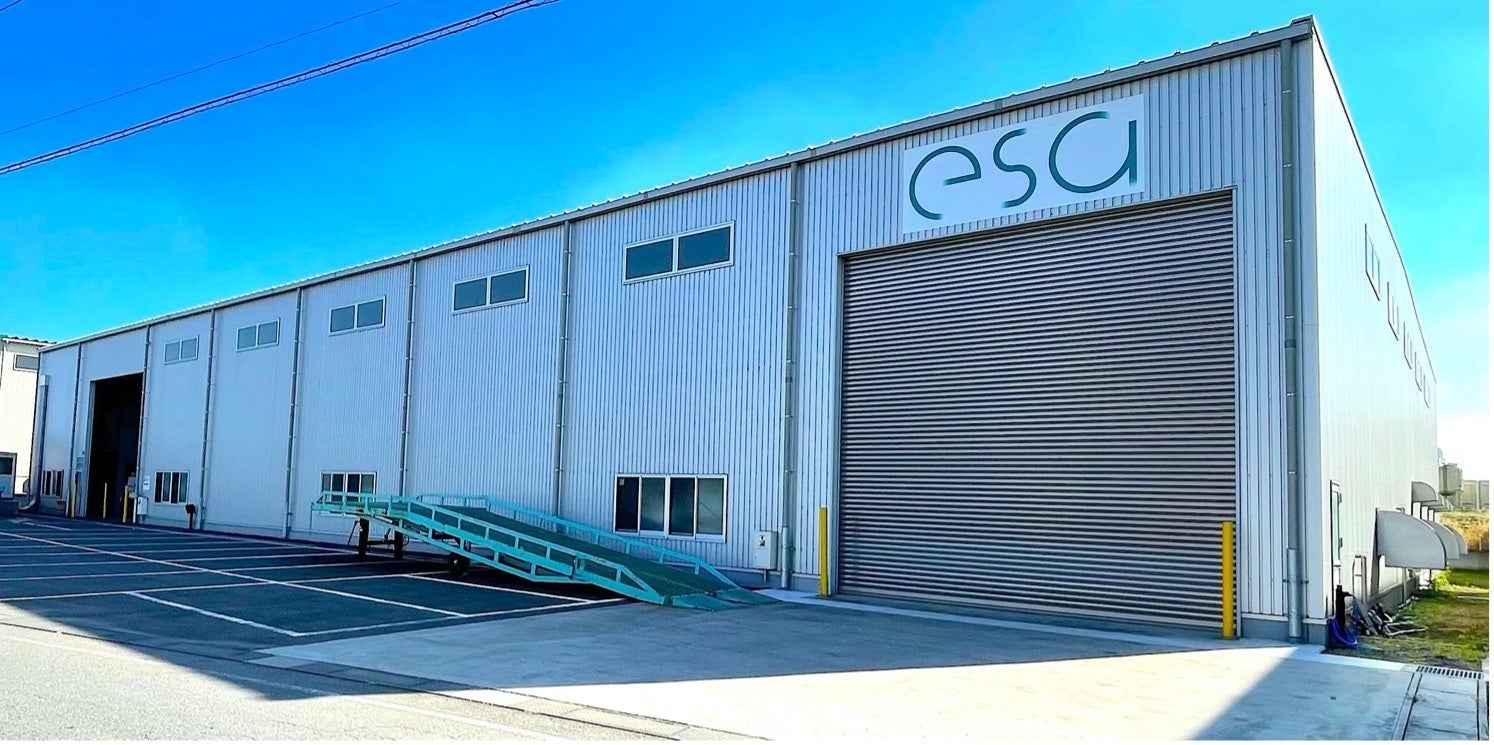
esa Co., Ltd., an environmental business focused on plastic recycling, has fully launched "Yuki Circular Factory" in Yuki City, Ibaraki Prefecture, Japan's first recycling plant specializing in complex plastics. This initiative aims to accelerate domestic resource circulation infrastructure from an economic security perspective, transforming previously discarded complex plastics into valuable resources.
🤖 AI Analyzed: April 20, 2026 at 10:27 (263h 56m after Collected)
## Press Release Information
Title: Plastic Recycling Company esa Launches Japan's First Complex Plastic-Specific Factory, Accelerating Resource Circulation Infrastructure from an Economic Security Perspective
Subtitle:
Company Name:
Industry: Nature & Environment, Materials, Chemicals & Energy
Main Text (first 8000 characters):
"esa Co., Ltd." (reading: E-sa, meaning: acronym for Environmental Solutions Architect) (Headquarters: Chiyoda-ku, Tokyo; Representative Director: Shuko Kurokawa; hereinafter "the Company"), which develops environmental businesses centered on plastic recycling, has recently commenced full-scale operation of "Yuki Circular Factory," Japan's first "complex plastic-specific" recycling factory, in Yuki City, Ibaraki Prefecture.
This factory is not merely a recycling base; it aims to play a central role in domestic resource circulation as a resource recovery infrastructure, whose importance has been growing in recent years from the perspective of "economic security."
In Japan, resource circulation has been positioned as a national-level issue, with the government announcing support for capital investment in resource recovery for materials such as iron, aluminum, and plastics in 2026. esa anticipates this trend and contributes to building a sustainable industrial base by "converting discarded complex plastics into resources."
Background
Plastics: From "Environmental Problem" to "Economic Security"
Discussions on economic security have primarily focused on critical minerals such as rare metals.
Indeed, in its 2025 policy document, the EU positioned the promotion of a circular economy as "indispensable for strengthening economic security and industrial competitiveness."
This is based on the following structural factors:
・Plastics are a foundational material supporting a wide range of industries, including packaging, construction, automotive, electronics, and medical.
・Resource recovery can reduce dependence on imported raw materials such as fossil fuels.
・Domestic waste treatment and resource recovery capabilities influence industrial competitiveness.
・The recycling industry is a source of employment and growth, and its contraction poses an economic risk.
These points have been clearly highlighted in the EU's analysis and policy discussions.
Similarly in Japan, where much of waste plastic is still incinerated or dependent on overseas processing,
"developing infrastructure for domestic resource circulation" has become an urgent task.
Key Features of Yuki Circular Factory
1. A Core Hub for Converting "Incinerated Resources" to Domestic Circulation
Yuki Circular Factory is a hub for recycling complex plastics, which were previously dependent on incineration and landfill, and circulating them domestically.
It redefines materials treated as waste as "resources," contributing to reducing dependence on imported resources.
2. Addressing the "Most Difficult Area" of Complex Plastics