The Potential of 'Aged Sake' Seen in Barcelona ~Alimentaria 2026 Exhibition Report~
Aged sake was exhibited at Alimentaria 2026 in Barcelona, Spain, attracting high interest from sommeliers and restaurant professionals. This report details the reactions and introduces the tasting event on April 4th.
📋 Article Processing Timeline
- 📰 Published: April 2, 2026 at 20:45
- 🔍 Collected: April 2, 2026 at 13:36
- 🤖 AI Analyzed: April 17, 2026 at 20:06 (366h 29m after Collected)
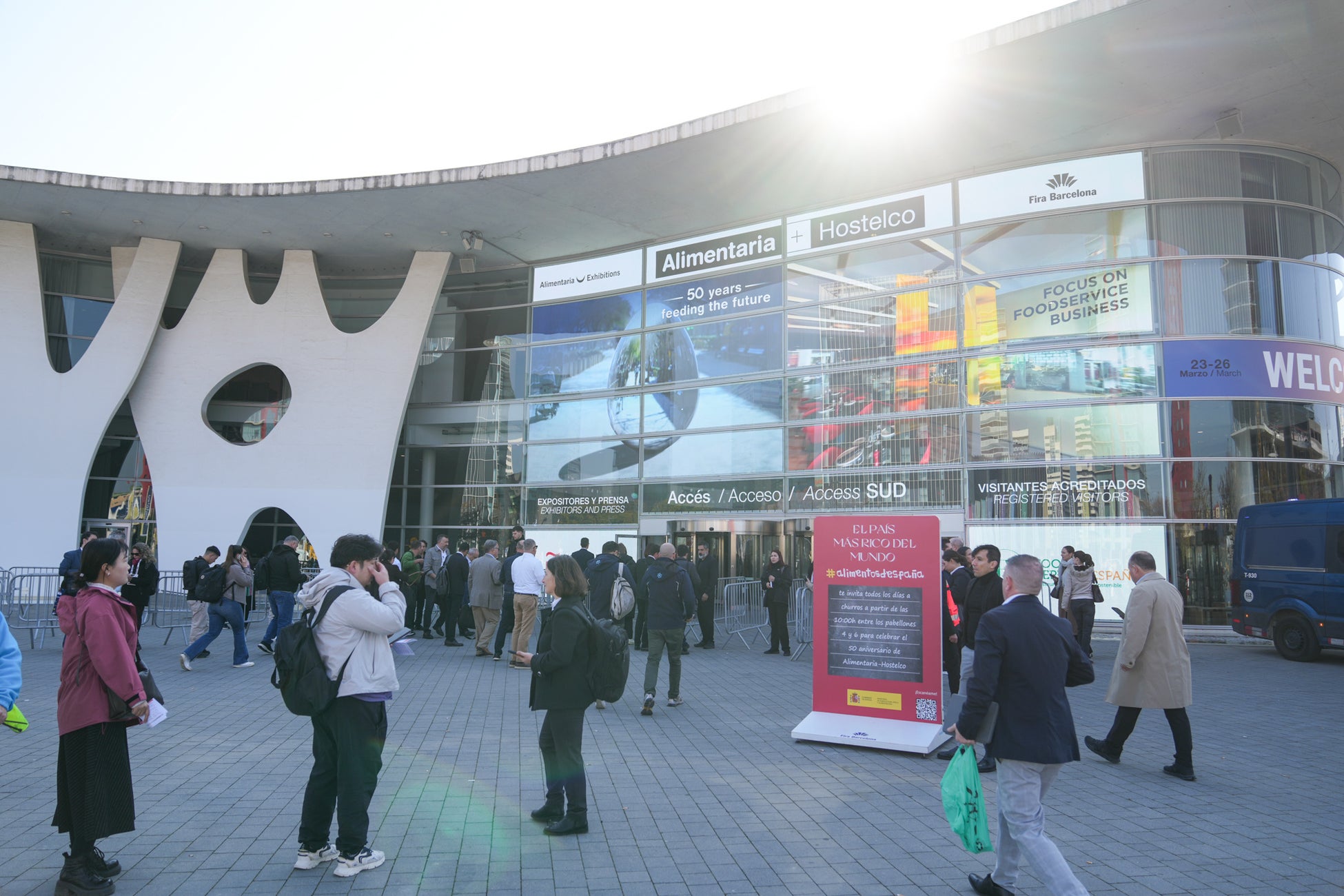
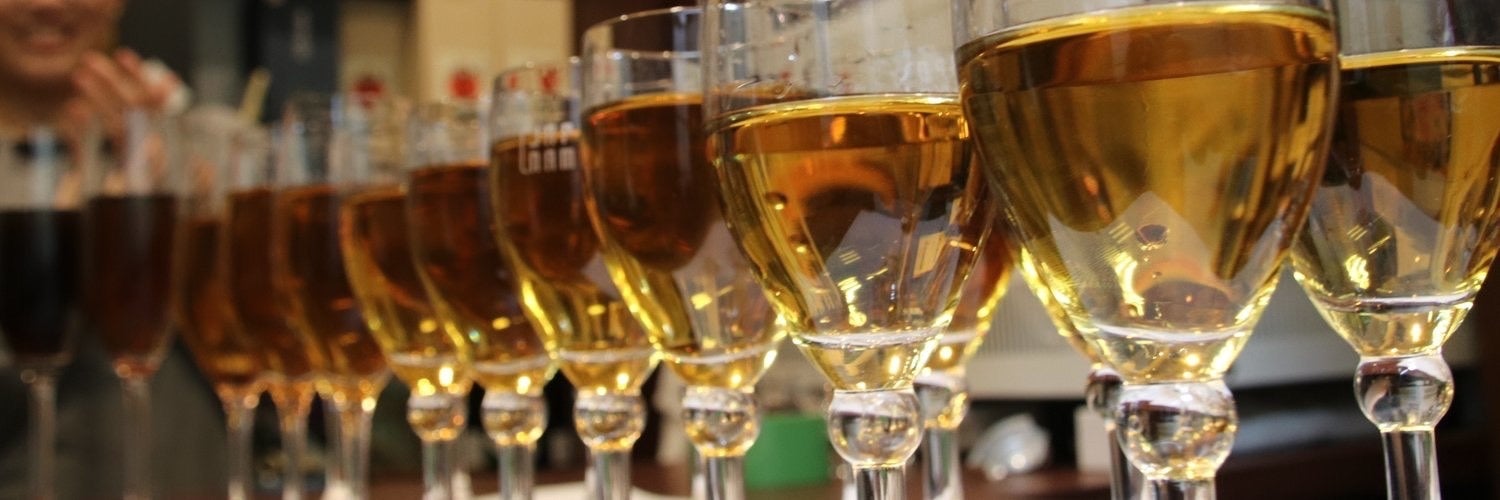
The Long-Term Aged Sake Research Association (Secretariat: Shinbashi Ekimae Building No. 2, B103-5, 2-21-1 Shinbashi, Minato-ku, Tokyo; Chairman: Shinichiro Honda of Honda Shoten) exhibited at Alimentaria 2026 (a food exhibition held every two years in Barcelona, Spain) for four days from March 23, 2026, to March 26, 2026.
"Aged Sake Renaissance 2026" *Event where you might be able to drink leftover sake from Alimentaria here!!
Background of Alimentaria 2026 Exhibition
This is not the first time the Long-Term Aged Sake Research Association (Secretariat: Shinbashi Ekimae Building No. 2, B103-5, 2-21-1 Shinbashi, Minato-ku, Tokyo; Chairman: Shinichiro Honda of Honda Shoten) has introduced aged sake (Japanese sake aged for three years or more) in Spain.
The first unveiling was in 2003, at the "CINVE" competition held annually in Madrid. Spain was chosen due to its high affinity with aged sake. Spain has a deeply rooted sherry culture, with diverse types ranging from Fino to Oloroso and Pedro Ximénez. Therefore, it was believed that the appeal of aged sake would be easily understood.
Indeed, during tastings in Madrid, positive reactions such as "Umai!" (delicious), "Umami!" (savory), "Rico!" (tasty), and "Amazing!" were received one after another.
The Long-Term Aged Sake Research Association has introduced aged sake in New York, Singapore, Paris, and Madrid, expanding a "new world of Japanese sake" that many in Japan have yet to experience (breweries enjoy it in even more countries and regions).
What is Alimentaria?
Alimentaria is one of Europe's largest international exhibitions in the food, beverage, and gastronomy sectors, held every two years in Barcelona. Chefs, sommeliers, buyers, and food and beverage professionals from around the world gather here, where the latest food culture and technology intersect.
This time, we introduced "drinking jewel, aged sake" on this international stage and received frank evaluations from diverse visitors.
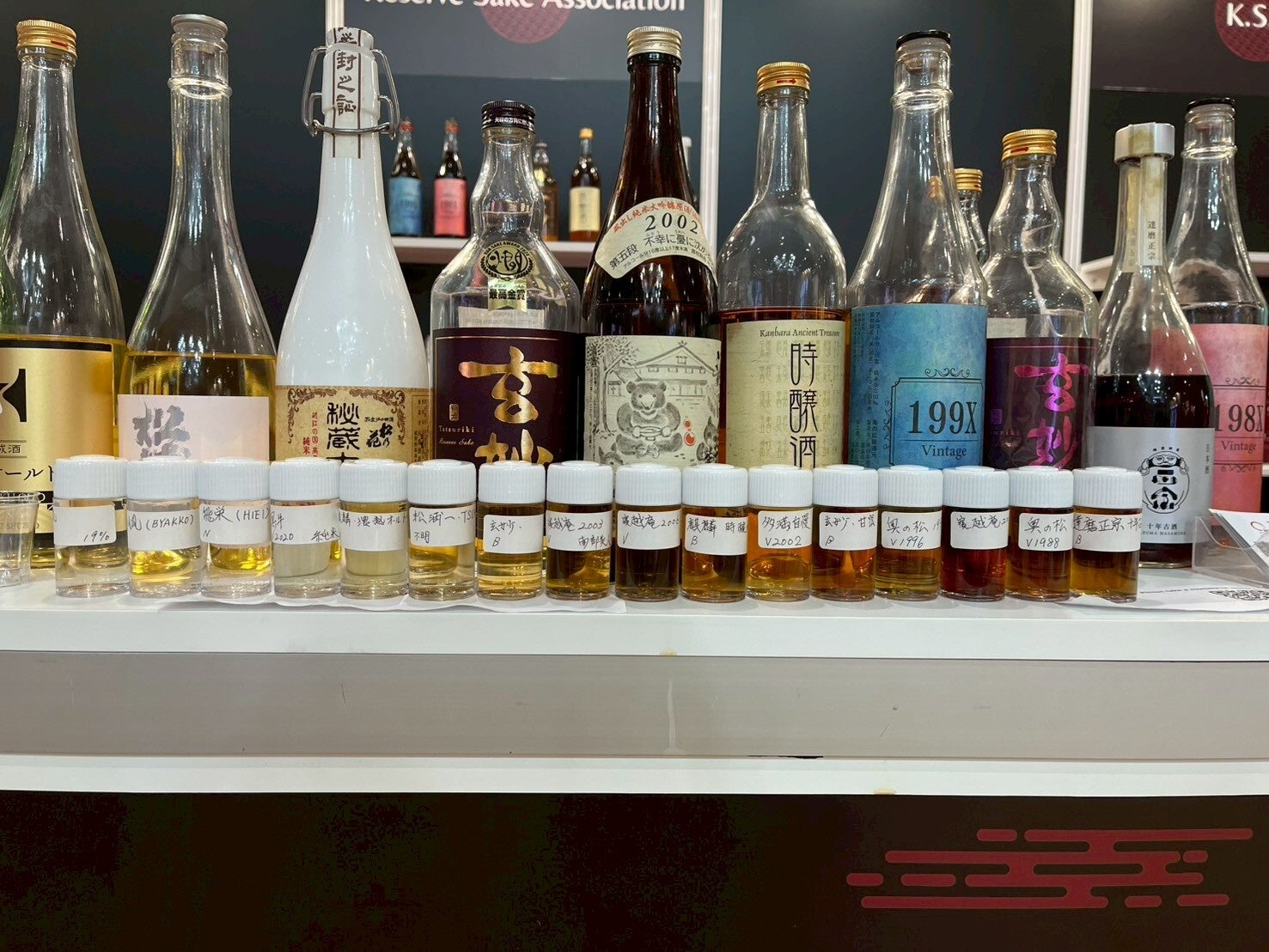
✓ Alimentaria 2026 Exhibited Sakes (13 types in total)
・Honda Shoten: Genmyo, Genmyo Kanmitsu
・Koshigawa Shuzo: Nōjuku Old, Kambara Ancient Treasure
・Shiraki Tsunesuke Shoten: Daruma Masamune 10-year aged sake
・Nate Shuzo-ten: Kuroushi Junmai-shu Omachi 2020
・Okunomatsu Shuzo: Okunomatsu Vintage 198X, Okunomatsu Vintage 199X
・Ishikawa Shuzo: Sake wa Tanoshiku 2002
・Matsuura Isshuzo: TSUMUGI
・Kawashima Shuzo: Matsu no Hana Hizo Kogenshu
・Kita Ward Tourism Association: Byakko, Hiei
Visitor Reactions
Many visitors had an image of Japanese sake as "clear and light" or "fresh," and there were exclamations of surprise the moment they saw the amber-colored sake.
The phrase "Is this really Japanese sake?" clearly showed the strong preconception that Japanese sake equals young sake.
However, their expressions completely changed upon tasting. Comments like "like sherry," "like brandy," and "my image of Japanese sake has changed" poured out. Especially during comparative tastings with unaged sake, the understanding that "aging is not deterioration but 'evolution'" naturally emerged.
Furthermore, the food pairing sessions held three times a day were very popular, with many saying, "The charm that wasn't apparent on its own suddenly blossomed with food," proving highly effective in conveying the value of aged sake.
Broadening Visitor Demographics
Interestingly, there was high interest from genres other than Japanese food, with restaurant professionals from Italian, Portuguese, Catalan, Mexican cuisine, and more visiting the booth.
The presence of intermediate to enthusiast level visitors was also confirmed, including certified sake sommeliers, participants in sake events, and those who follow sake sommeliers on social media.
Connection with Japanese Travel
Many questions were asked, such as "Where can I drink this in Japan?" and "Can I visit a sake brewery?" This clearly demonstrated that aged sake has value that connects with local experiences.
As a result, this exhibition provided an experience that overturned preconceptions, attracted interest from diverse food and beverage professionals, led to proposals for event invitations from experts, and expanded experiential value through connection with Japanese travel. These were important indications for future market formation.
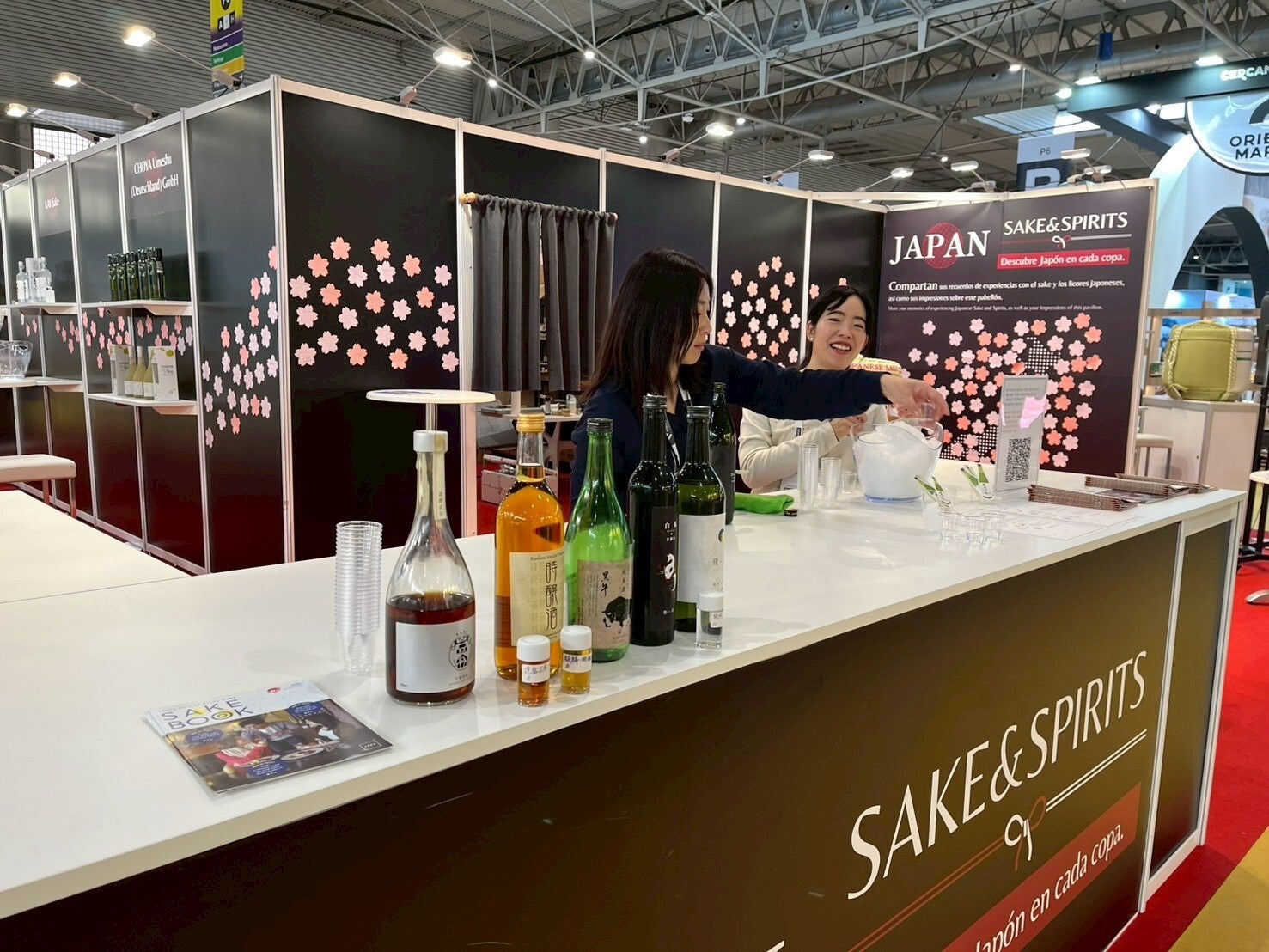
JAPAN SAKE & SPIRITS Booth
Aged sake promotion was also conducted at another location at different times.
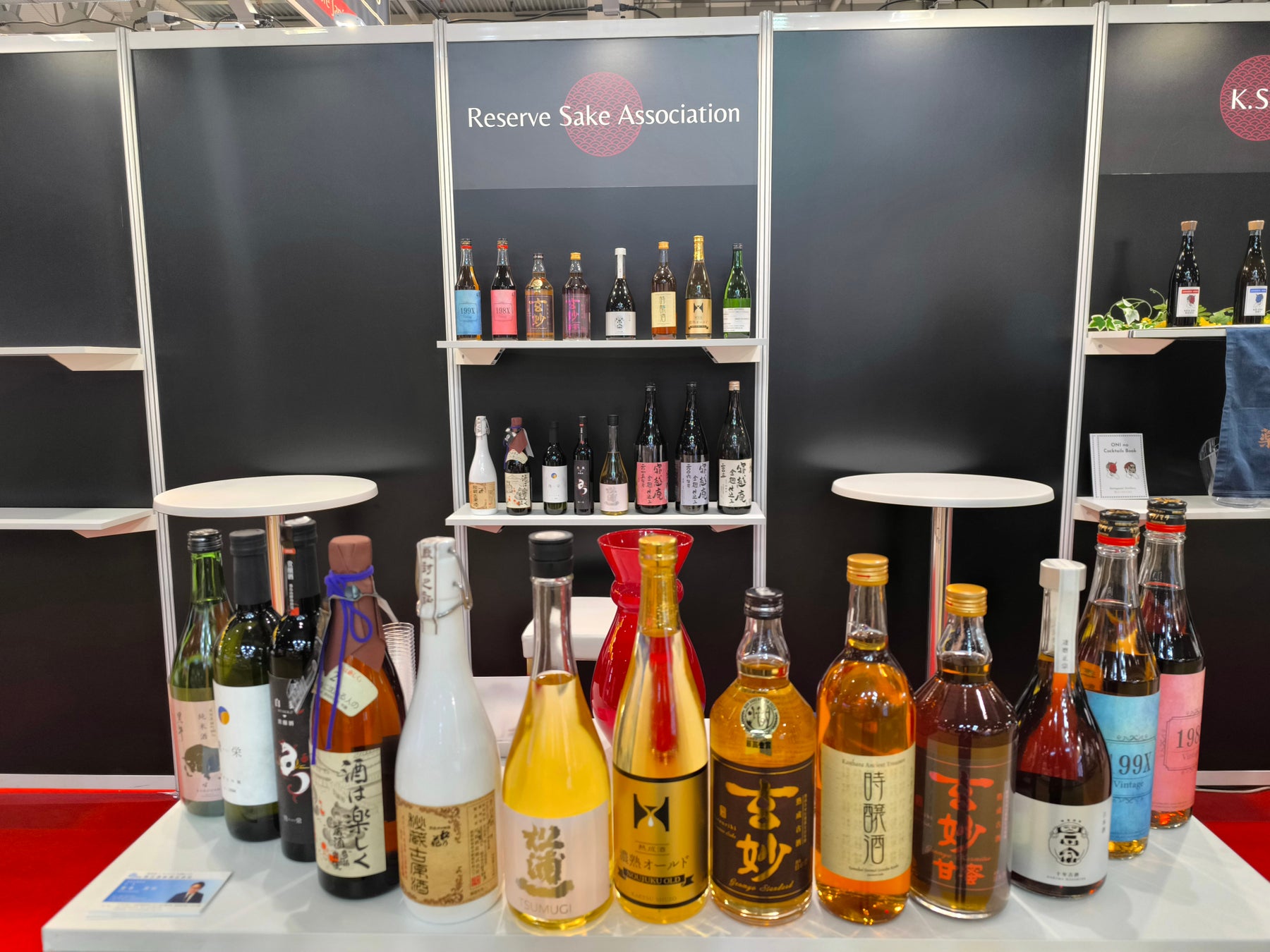
Long-Term Aged Sake Research Association Booth
A total of 16 aged sakes and suitable sakes for aging were exhibited.
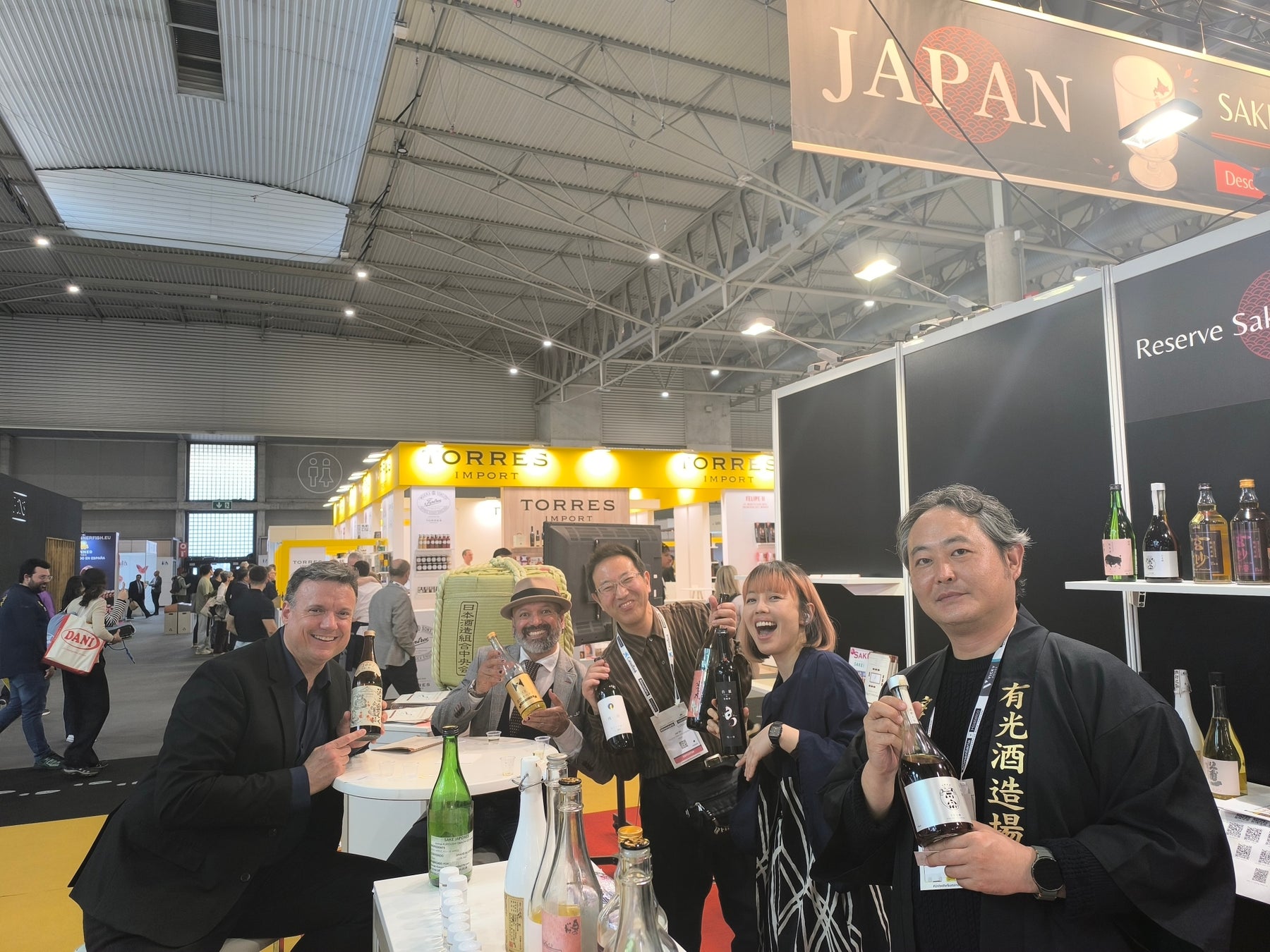
Lively Aged Sake Booth
Enjoying aged sake is universal.

Like the Olympics of Food
This is a major national event in Spain.
Barcelona is one of the world's leading culinary cities
Barcelona is known as a "culinary capital" with some of the world's most difficult-to-reserve restaurants. This city, where Michelin-starred establishments gather and chefs and sommeliers from around the world converge, is highly sensitive to new taste experiences.
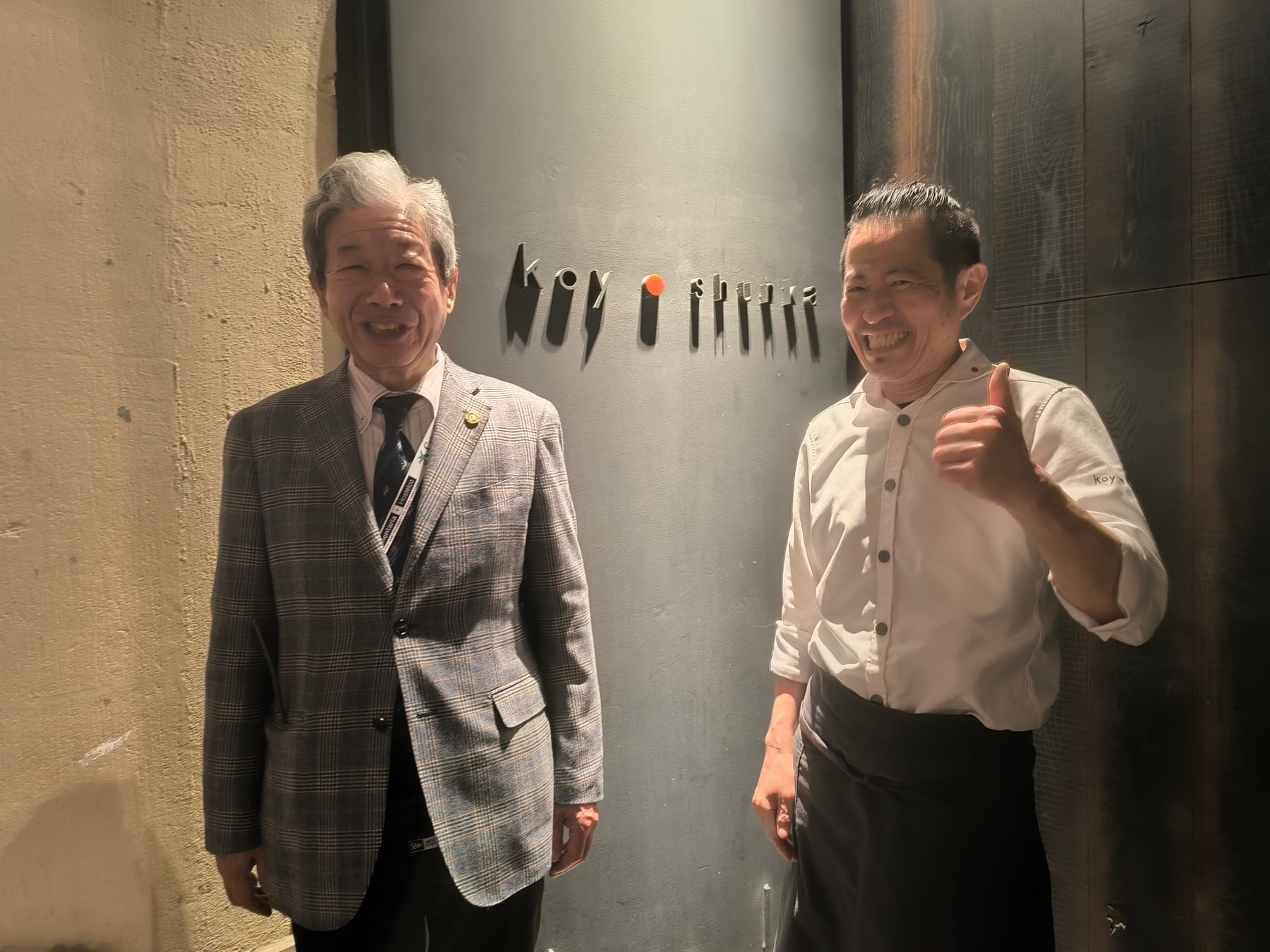
During this stay, we had the opportunity to promote aged sake at "Koy Shunka," a Michelin-starred Japanese restaurant.
Promotion at Koy Shunka
The reaction to the aged sake provided was very favorable, similar to the exhibition. However, the "method of serving" was a crucial point here.
At Koy Shunka, aged sake was served in "ochoko" (small sake cups), leading many customers to imagine drinking Japanese sake "like a shot, all at once."
Therefore,
"Please drink it slowly, savoring the aroma, like wine."
"The aroma opens up as the temperature rises."
By adding these explanations, the appeal of aged sake was conveyed more deeply, and understanding progressed rapidly.
Many comments included "complex and interesting aroma" and "I never thought Japanese sake could have such a flavor," but the challenge remained that we could not present it to the level of being optimal as a pairing partner.
The meaning of Barcelona as a "stage"
The reaction in Barcelona, a city with a mature food culture, strongly indicates that aged sake is "a category that can be accepted in the world's top gastronomy."
In fact, the inclusion of aged sake on wine lists in Michelin three-starred restaurants in Barcelona further signifies its immense importance for future market development.
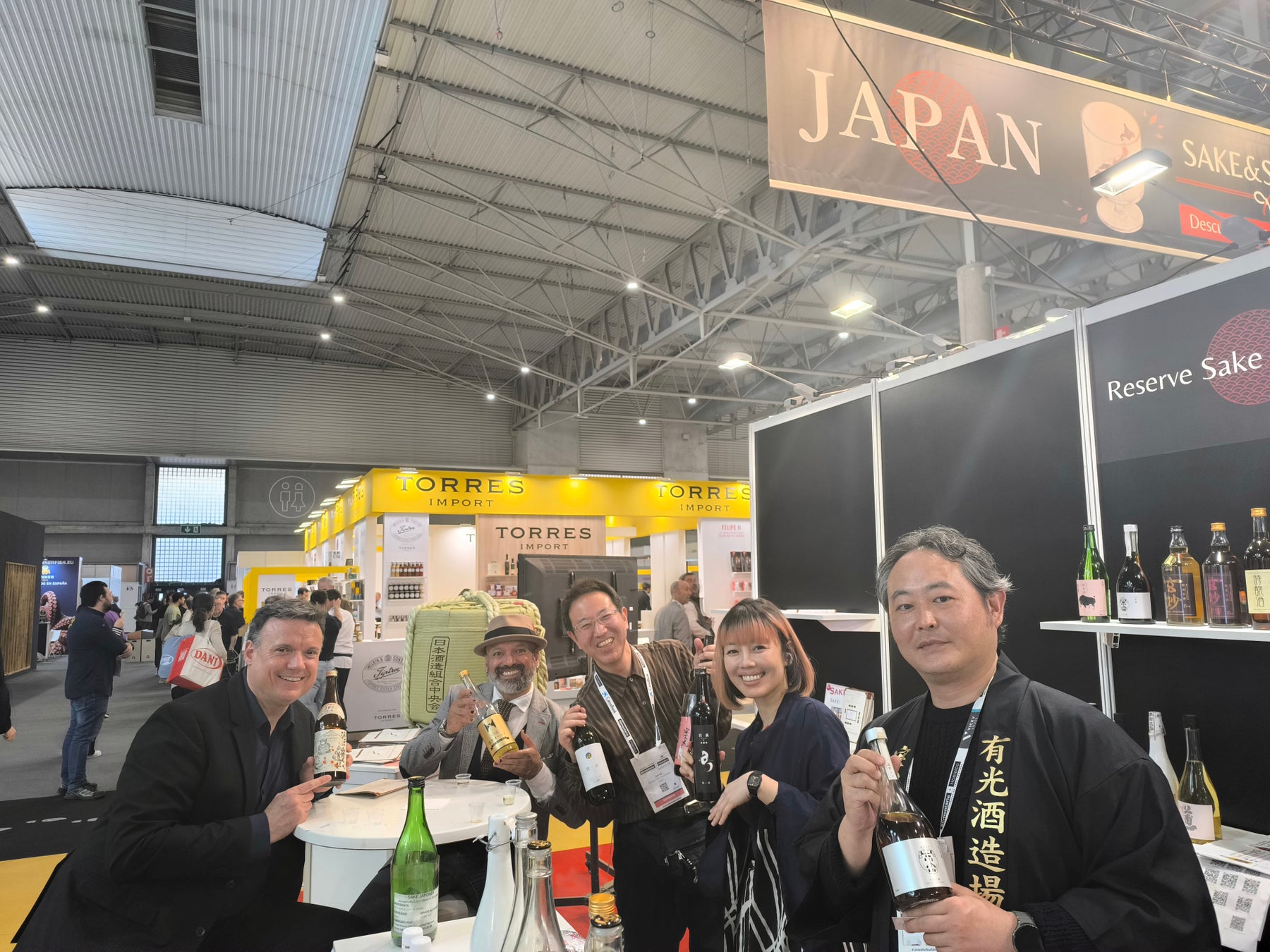
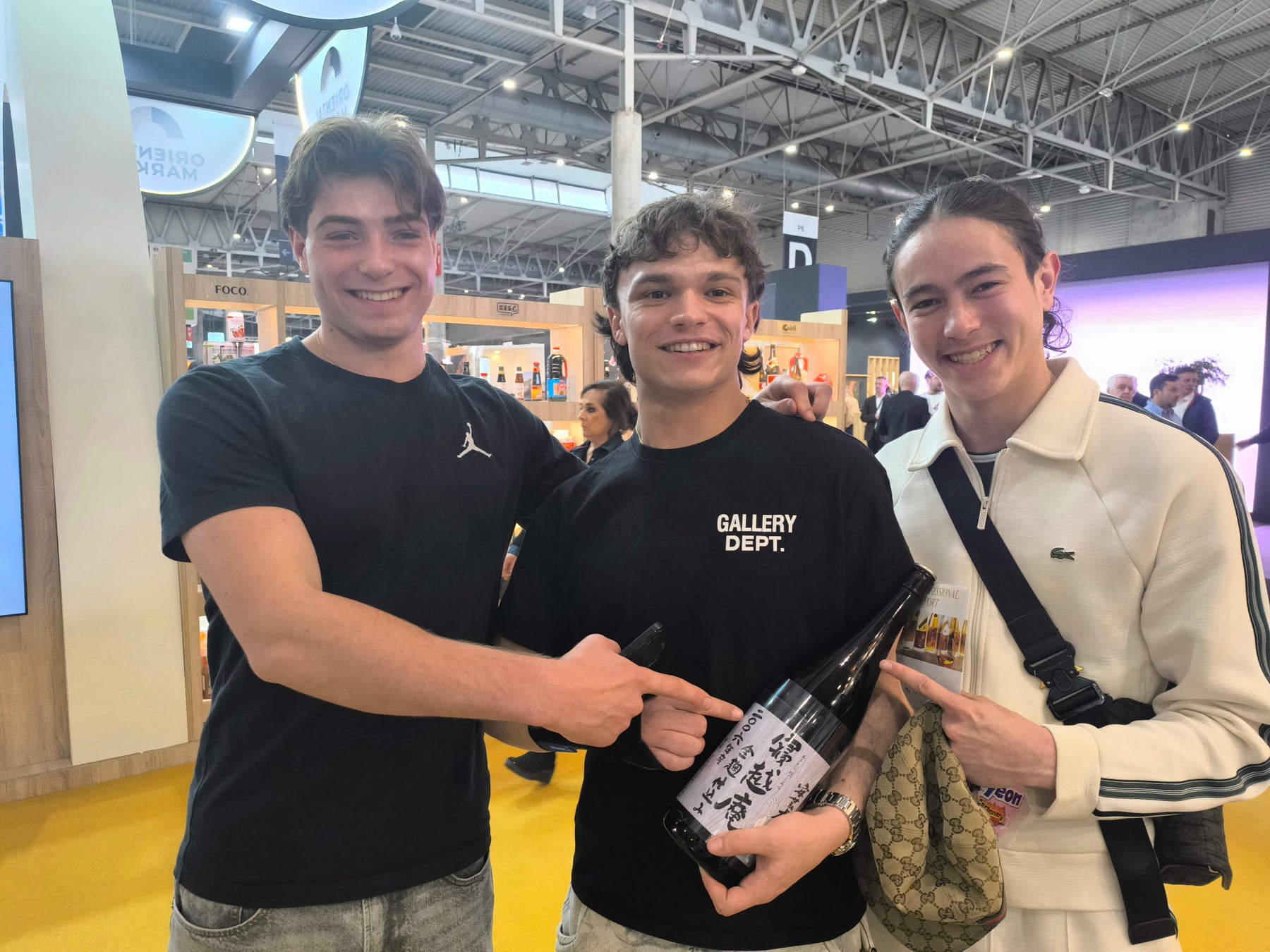
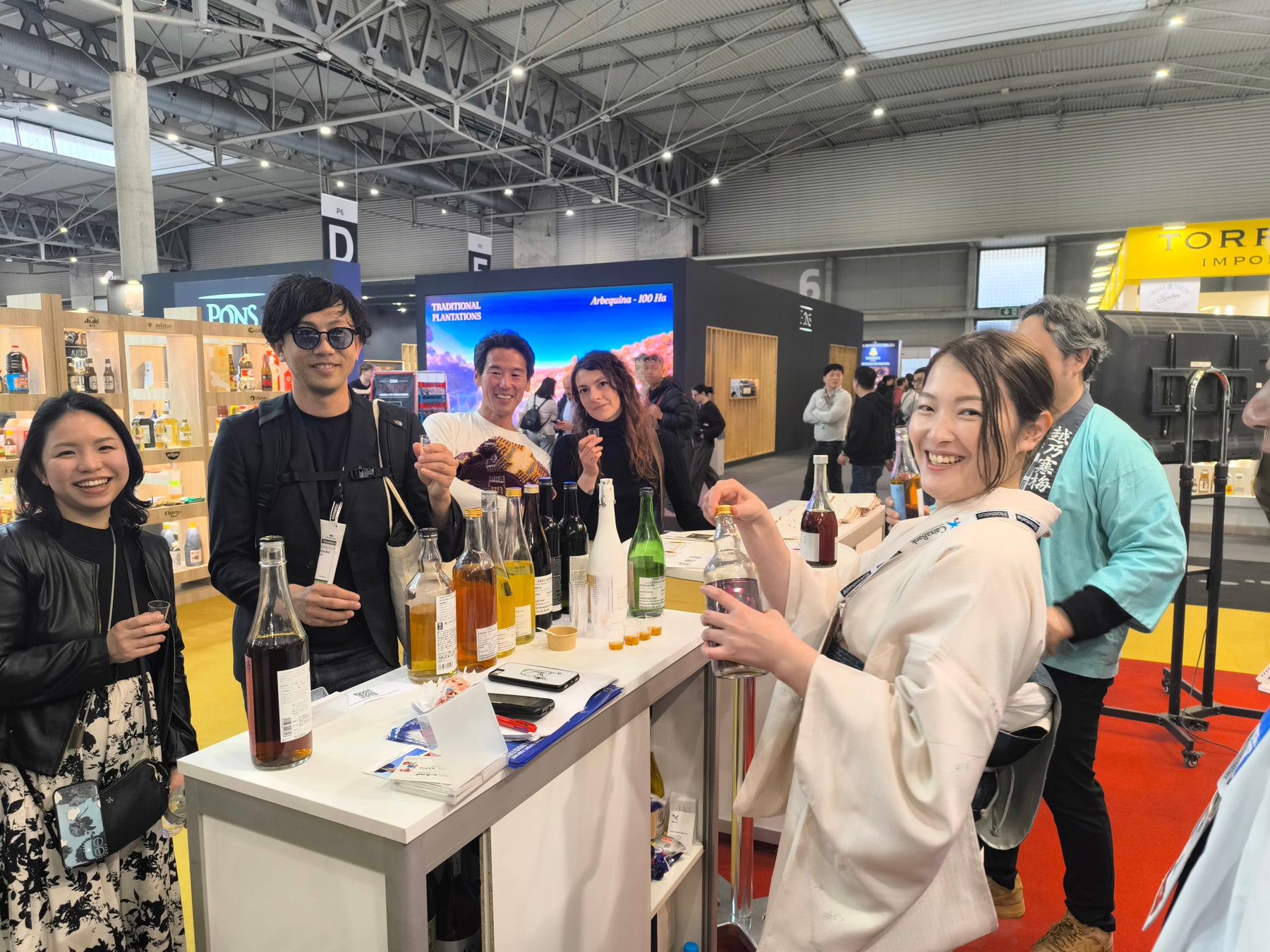
Aged sake captivates drinkers even in Barcelona!!

FAQ
What is aged sake (Jukusei Koshu)?
Aged sake is Japanese sake that has been matured for at least three years. It is characterized by its amber color and complex aroma and flavor, often compared to wine or brandy.
What is Alimentaria 2026?
Alimentaria 2026 is one of Europe's largest international exhibitions in the food, beverage, and gastronomy sectors, held every two years in Barcelona, Spain.
How was aged sake received overseas?
It received surprised and high praise, with comments like "like sherry," "like brandy," and "it changed my image of sake." Pairing with food was particularly well-received.