東京大學與 DENSO 簽訂產學協創協議
東京大學與 DENSO 簽訂為期 10 年的產學協創協議,旨在建構次世代移動社會。
📋 文章處理履歷
- 📰 發表: 2026年3月30日 23:10
- 🔍 收集: 2026年3月30日 22:56
- 🤖 AI分析完成: 2026年4月15日 23:40(收集後384小時44分鐘)
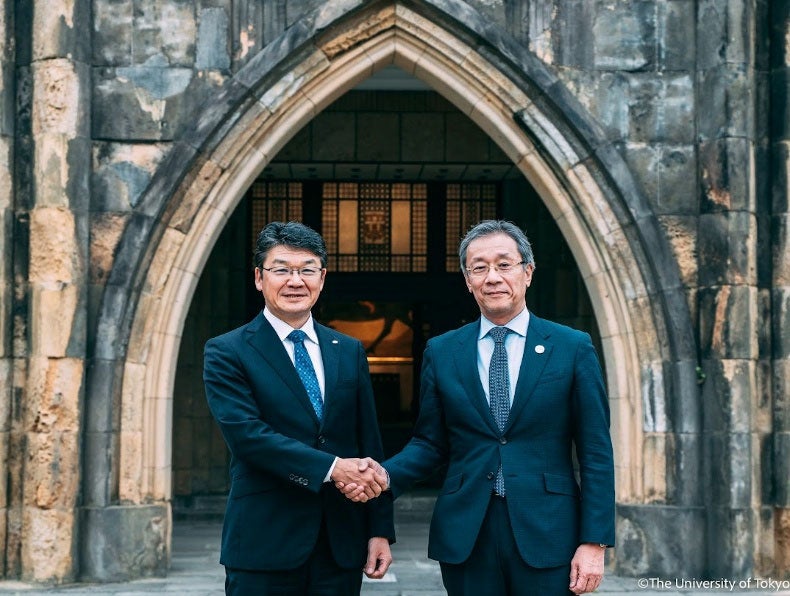
國立大學法人東京大學(東京都文京區,總長:藤井 輝夫,以下簡稱「東京大學」)與株式會社 DENSO(愛知縣刈谷市,代表取締役社長:林 新之助,以下簡稱「DENSO」)將於 2026 年 4 月 1 日起,簽訂為期 10 年的產學協創協議。本協創事業將是東京大學在移動領域的首個組織對組織的長期全面性合作。
本協創協議將「邁向透過移動而豐富的社會:從移動延伸的未來社會價值」作為共同願景。移動過去在提高人們便利性的同時,也面臨能源消耗和移動所伴隨的時間限制等課題。本協創事業旨在透過讓移動本身循環能源、累積並運用數據,將其進化為創造社會新價值的源泉,以解決這些課題。我們將以移動為起點,深化能源、數據、都市基礎設施的連結,挑戰建構有助於提升人類幸福感的永續社會系統。
■ 背景與目的:移動的轉捩點
移動產業正因電動化與智慧化的進展,迎來重大的轉捩點。隨著電動車的普及,包含充電基礎設施與電力供需在內的整體能源樣貌,已成為重要的課題。此外,隨著自動駕駛技術的開發推進,也需要著眼未來來確保運算資源與能源的運用。
在此情況下,移動、能源、數據、都市基礎設施相互連結,社會整體的最佳化已不可或缺。再者,實現碳中和、能源限制的嚴峻化、少子高齡化的發展、以及零交通事故死亡社會的要求等現代社會面臨的課題,複雜地交織在一起,僅靠個別技術的精進已難以充分應對。
基於此背景,本協創將移動重新定義為不僅是單純的交通工具,而是連結能源、數據、都市基礎設施的「社會系統」,並挑戰其實現。
東京大學擁有橫跨數理最佳化、都市設計、自動駕駛控制、安全保證理論、半導體設計等領域的知識。另一方面,DENSO 在移動領域長期累積了電動化、智慧化技術的豐富經驗,以及在車載半導體和軟體方面的豐富知識與實踐力。透過雙方的合作,不僅能在移動領域,也能在半導體、AI、軟體等基礎技術的精進,以及培育擔負這些任務的人才方面共同努力,以研究到社會實踐為目標,追求永續價值的創造。
■ 本協創協議將に取り組む 4 個重點主題
具體而言,將著手進行以下 4 個重點主題:
(1) 透過能源循環與數據連結創造社會價值
以移動無線充電系統(DWPT,註 1)與數理最佳化為核心技術,我們將致力於建構一個將都市乃至包含高速公路在內的物流網的能源供應與移動利用視為一體的社會基礎設施,同時避免對電網造成過度負荷。進而透過最佳化基礎設施的建設,以因應移動需求與交通流量,提高經濟可行性,實現能源與移動和諧共存的社會。
常見問題
What is the duration of the collaborative creation agreement between The University of Tokyo and DENSO?
The agreement is for a period of 10 years, starting from April 1, 2026.
What is the main vision of this collaboration?
The common vision is "Towards a Society Enriched by Driving: Future Societal Value Expanding from Mobility." The goal is to evolve mobility into a source of new societal value by circulating energy and utilizing data, leading to a sustainable social system that improves human happiness.
What are the key challenges in the mobility sector that this collaboration aims to address?
The collaboration aims to address challenges such as energy consumption, temporal constraints of travel, the need for integrated energy management with the spread of EVs, securing computational resources for autonomous driving, and complex societal issues like carbon neutrality and an aging population.
What are the four key themes of this collaborative creation agreement?
The four key themes are: (1) Creating Societal Value through Energy Circulation and Data Integration, (2) [Implied from context, likely related to autonomous driving and intelligent systems], (3) [Implied from context, likely related to urban infrastructure and data utilization], and (4) [Implied from context, likely related to human resource development and societal implementation].
What specific technologies will be central to the first theme?
Wireless power transfer systems for moving vehicles (DWPT) and mathematical optimization will be core technologies for the first theme, focusing on integrated energy supply and mobility utilization.