"The Wedding Never Ends."
Still Ann Co., Ltd. aims to be a bridal company chosen for its "people," envisioning an unending story that continues long after the wedding.
📋 Article Processing Timeline
- 📰 Published: April 1, 2026 at 18:00
- 🔍 Collected: April 1, 2026 at 09:36
- 🤖 AI Analyzed: April 6, 2026 at 15:50 (126h 14m after Collected)
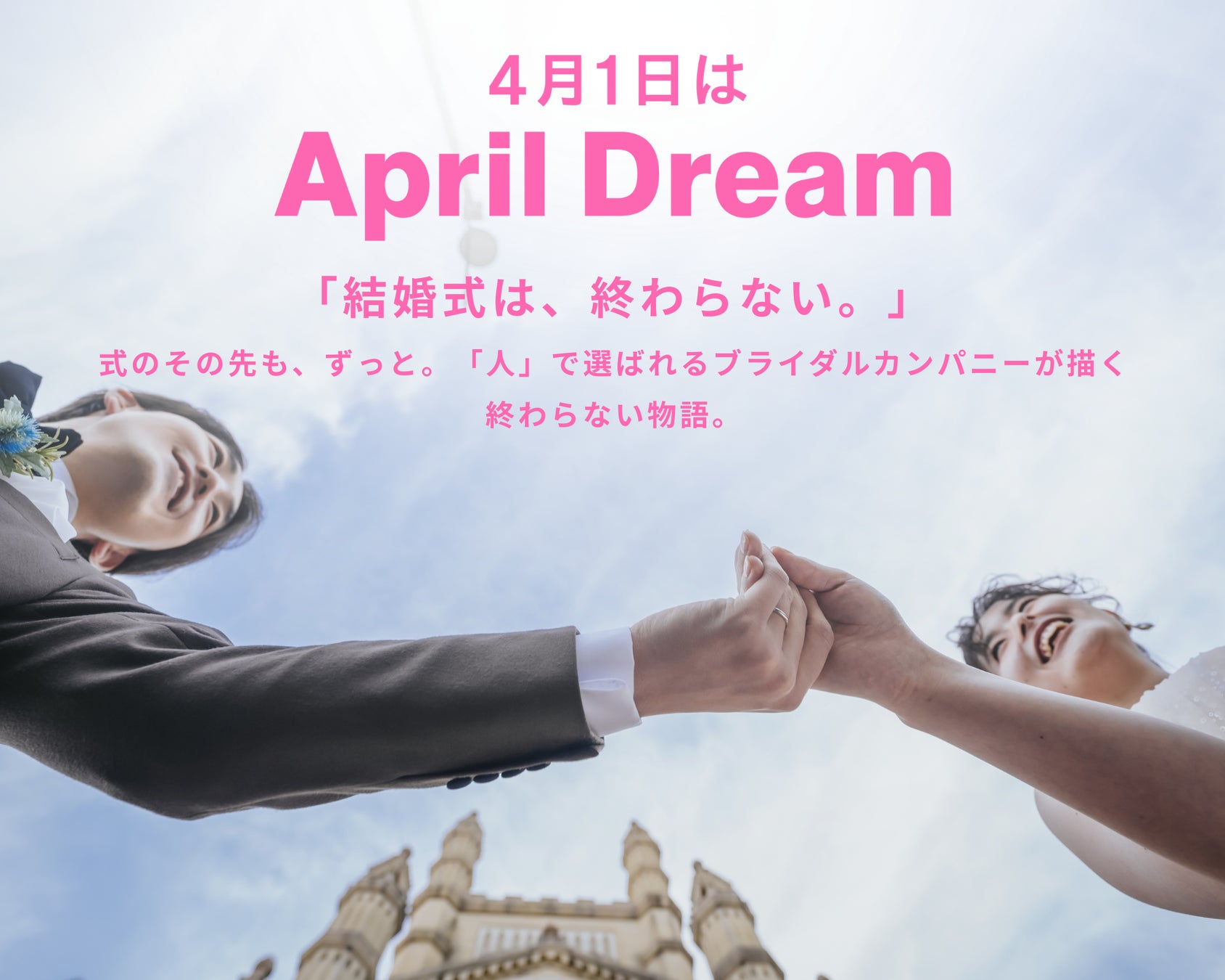
Our company supports April Dream, an initiative to make April 1st a day for sharing dreams.
This press release is a dream of "Still Ann Co., Ltd."
The Era When Weddings Became a "One-Day Event"
The environment surrounding weddings has changed significantly in recent years. A decrease in the number of marriages, the establishment of small-scale and photo weddings, and the expansion of the option of "no-wedding" (Nashikon). The former norm of "getting married means having a wedding" is now just one of many choices.
When you open a wedding venue comparison site, you see photos of venues, menu options, access, and prices. The choice of venue is based on "what's available" and how to spend "the wedding day." This is the current state of our industry: an era where weddings are consumed as a "one-day event."
On the other hand, the bridal industry is also facing a serious labor shortage. The turnover rate for new graduates in the lifestyle-related service industry is among the highest across all industries, and post-recruitment training and retention are common challenges. Our recruitment staff often receive questions from job-seeking students such as "How much time off do I get?" and "Can I never take weekends off?" They feel that more students want to fulfill their desire to serve customers while also enriching their own lives.
An era where comparisons are made based on "what's available" and choices are made based on "conditions." However, in our field, a different scene is unfolding. Another story begins after the wedding ends.
"I'll come again" and "I'll come to see you again"
"I'll come again" and "I'll come to see you again." They sound similar but are completely different phrases. The former refers to a place, the latter to a person. All that we aim for is contained within this single difference.
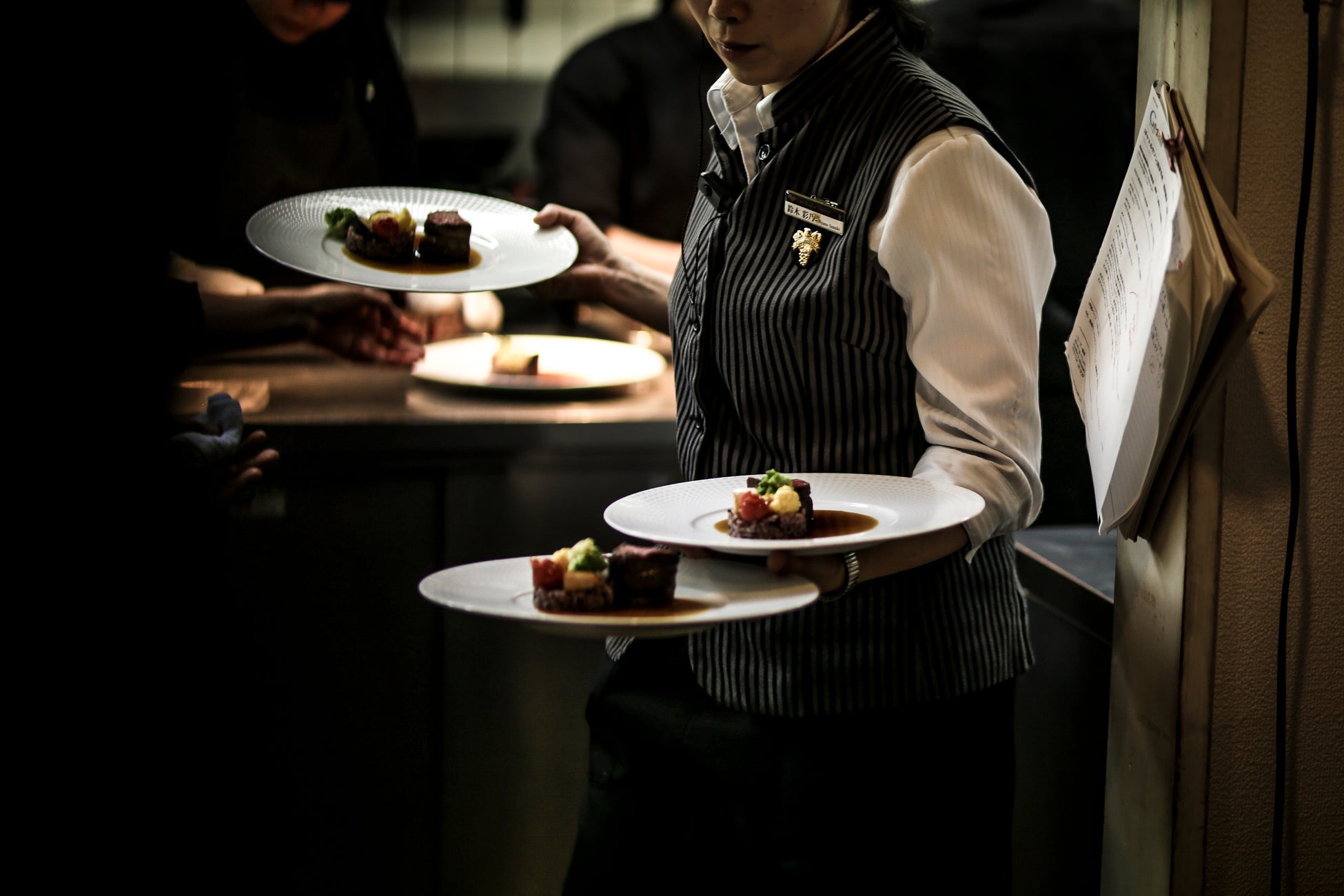
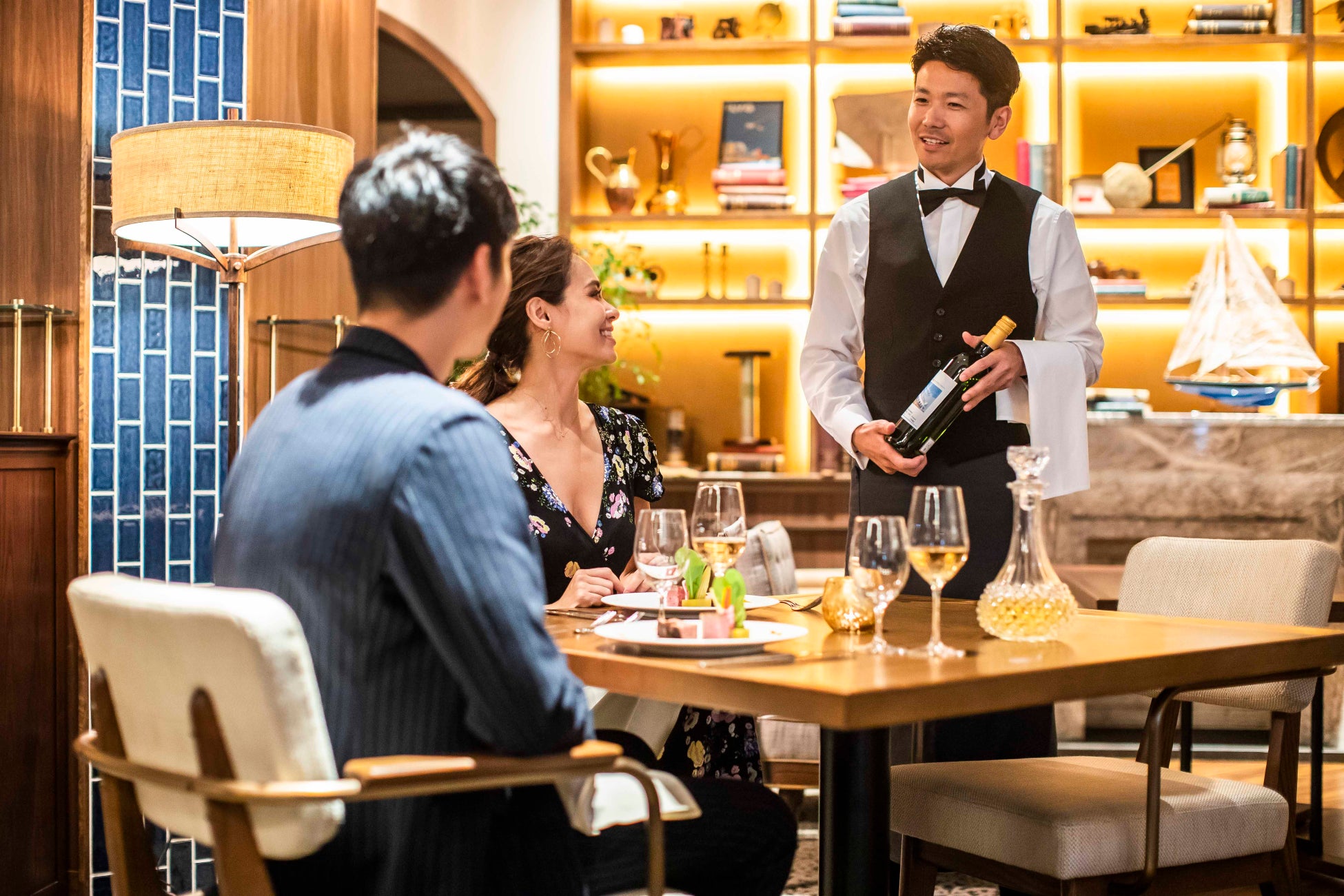
At our restaurant, many customers visit us every year on their anniversary after their wedding, or visit the restaurant multiple times. And for many of these customers, the reason for their visit is not just "because the food is delicious." A service staff member, in their sixth year with the company, told us that the number of customers saying "I'll come to see you again" is gradually increasing. Some customers remember what they talked about during their previous visit and bring souvenirs on their next visit. They are happy to learn about customers' likes and dislikes through conversation, and also to learn new things themselves. They told us that at that moment, they truly feel glad to have continued this job.
A staff member in charge of bridal sales spoke about maintaining a private relationship with a client for over six years after their wedding. They said that while weddings are often seen as a goal, they are actually a starting point, and the trust built by celebrating a life milestone together continues to evolve. Clients of completely different ages and professions act as mentors, offering advice to younger staff. They said that connections with people they would never have met without this job enrich their lives.
The "connections" born on the wedding day continue to evolve. This is not only between staff and customers but also among staff members, and among people in the community beyond the customers. Countless stories continue, starting from the single day of the wedding.
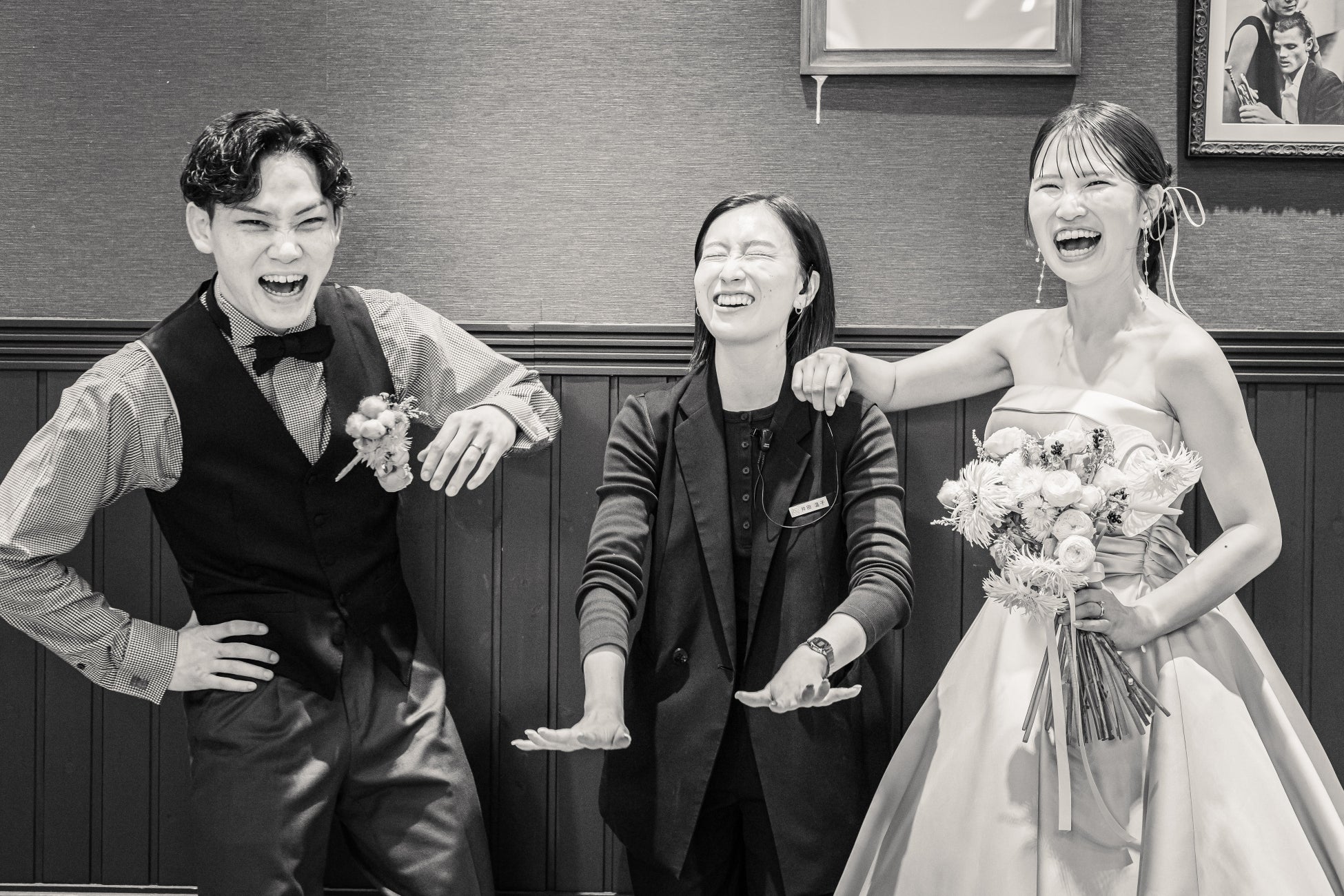
The Moment When "I'm Glad It Was You" Is Born
For this year's April Dream, we asked our frontline staff, who interact with customers daily, instead of management: "What is your dream that you want to achieve at Still Ann?"
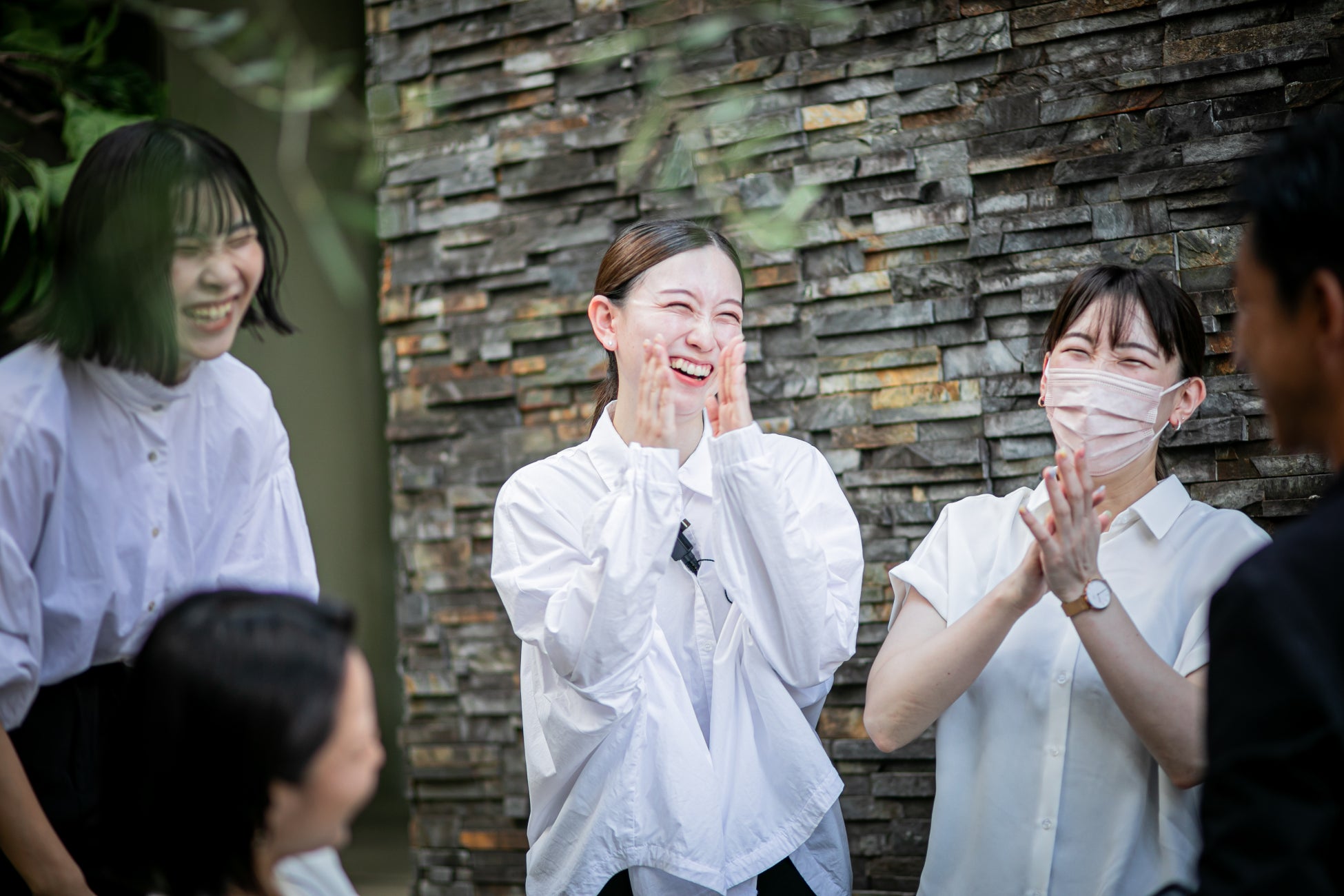
The answers from five staff members, from different departments, roles, and years of experience, had one common thread. All of them cited the presence of "people" as the moment they felt "it was worth doing."
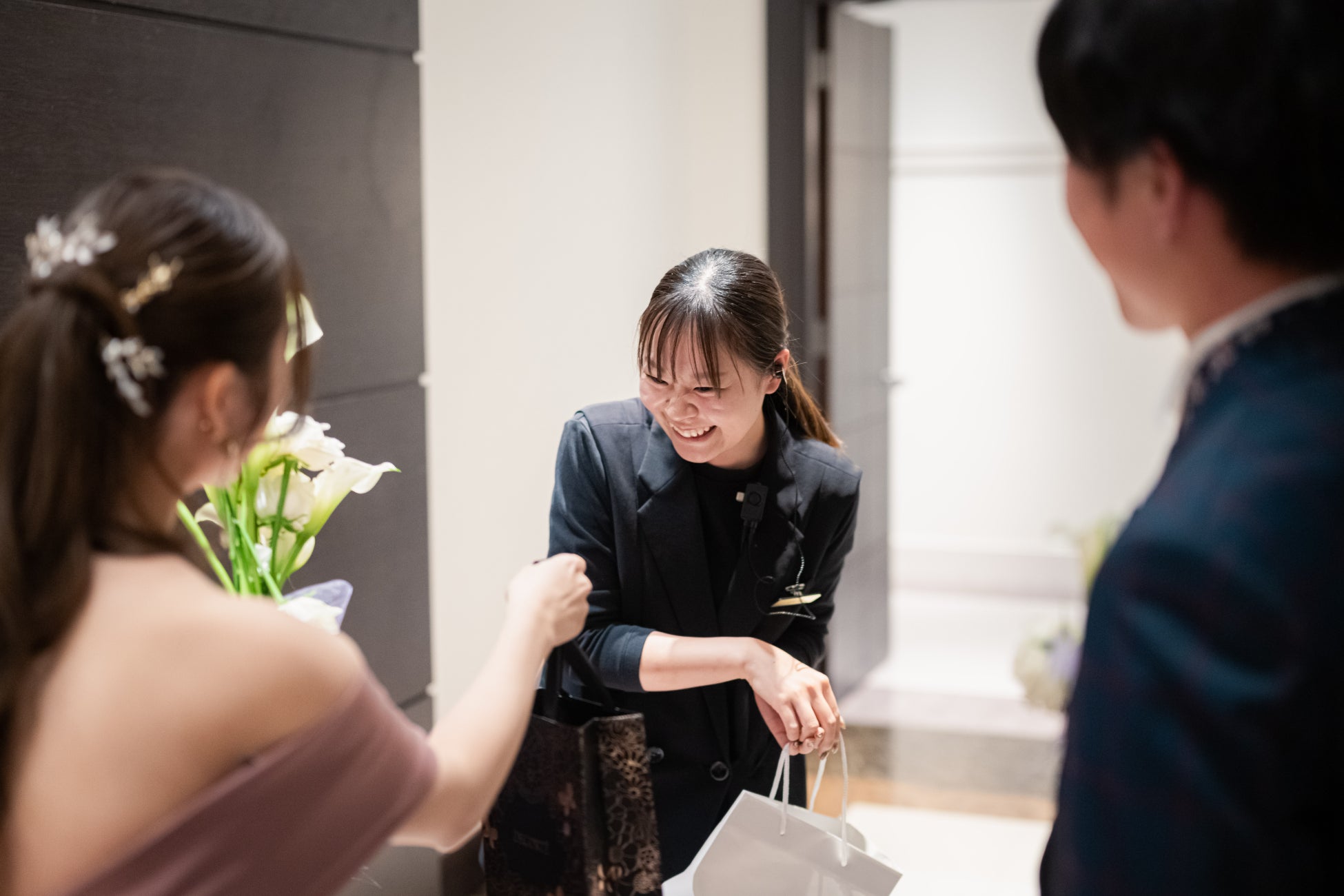
A dress stylist in her fourth year shared an unforgettable episode with a customer. At a certain wedding, the bride specifically requested her to assist with the dress change on the day. Although she usually doesn't go to the venue for dress changes on the wedding day, she adjusted her schedule and went to the venue just before the change to help the bride. After the dress change, the planner invited her to "go see the party for a bit," and when she entered the party venue, she was suddenly called to the front—the couple surprised her with a thank-you bite from the wedding cake.
She said that was the moment she received the words "I'm glad it was you," directed at her as a person, not at the venue or the dress, and that it continues to be her motivation for this job.
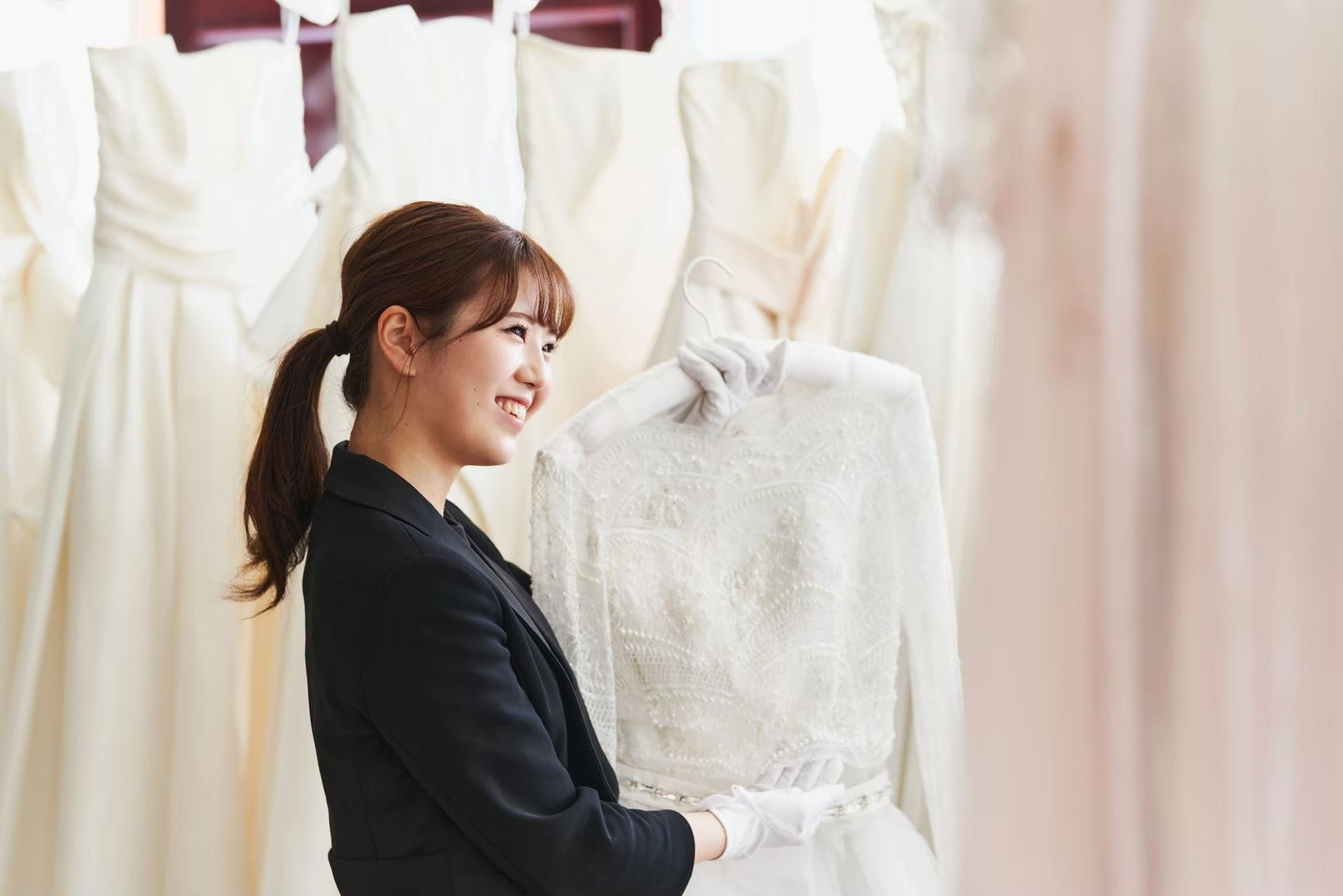

A planner in her fifth year told us that the reason she joined the company was seeing the staff she met during her vocational school internship and thinking, "I want to create weddings with these people." And she said it was not a mistake. Having colleagues who run with the same passion for the weddings she is in charge of. When she struggles with concepts or progress, they offer suggestions from the same perspective, saying, "How about this?" She said that having such people who genuinely care, even if they are not directly in charge, makes her want to keep working hard.
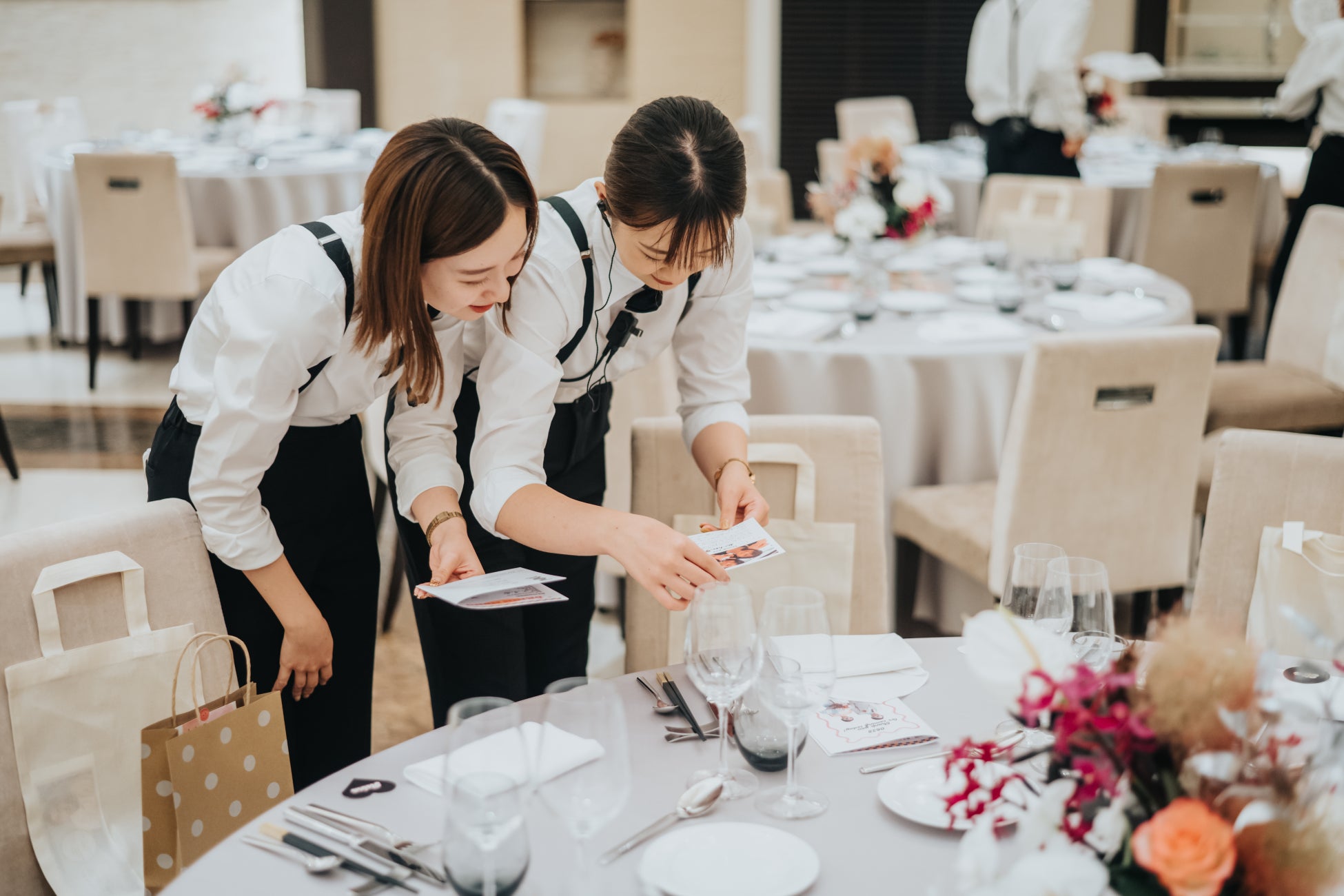
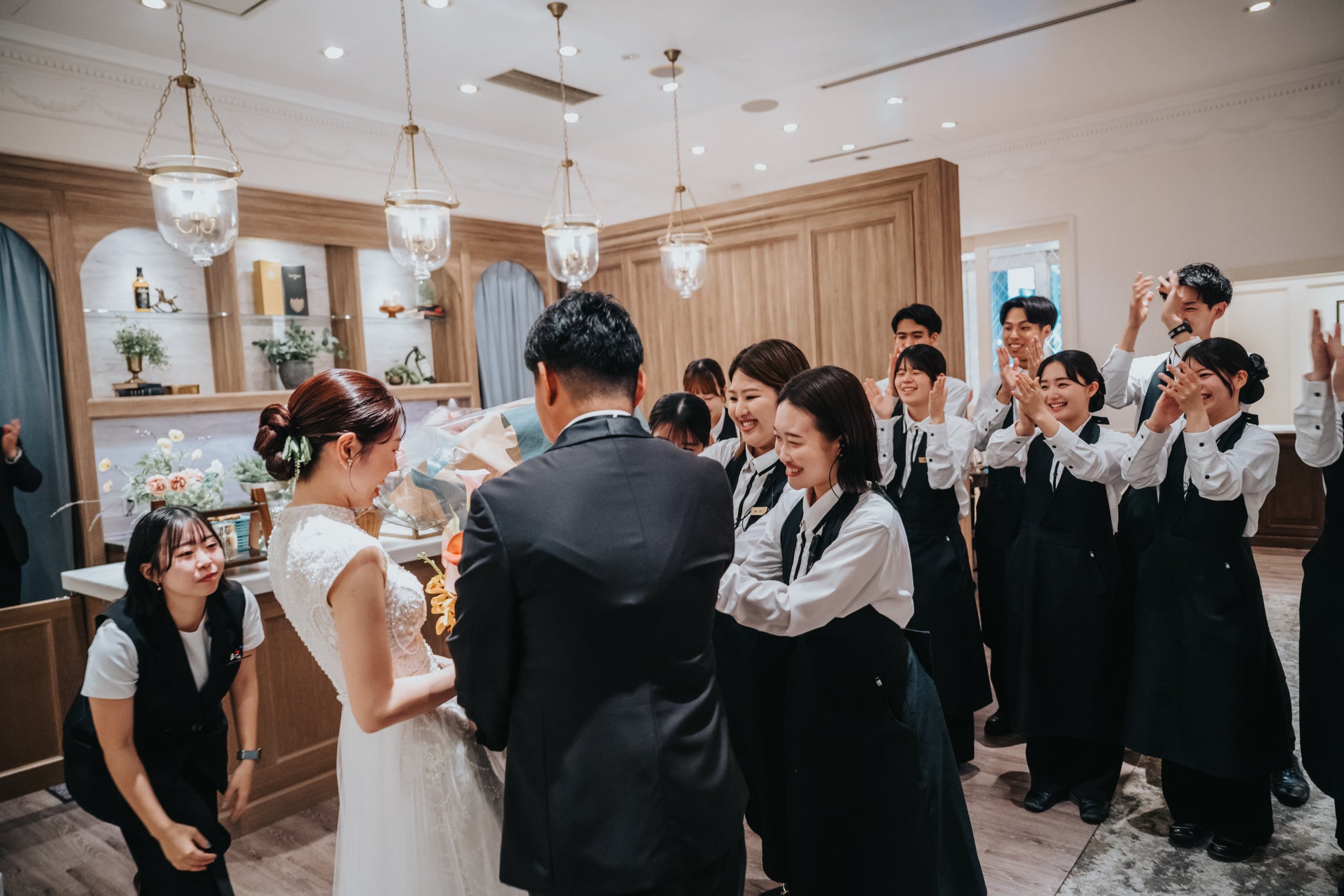
A sales staff member shared her dream of the entire team—planners, service staff, kitchen staff, and costume designers—creating highly-rated weddings by third parties. If guests who attended think, "We want to have our wedding here too," that would be the strongest word-of-mouth. She explained that this requires not only the beauty of the venue, the quality of haute couture dresses, and the chef's cuisine, but also the power of "people" to transform these into "value." Her words taught us that.

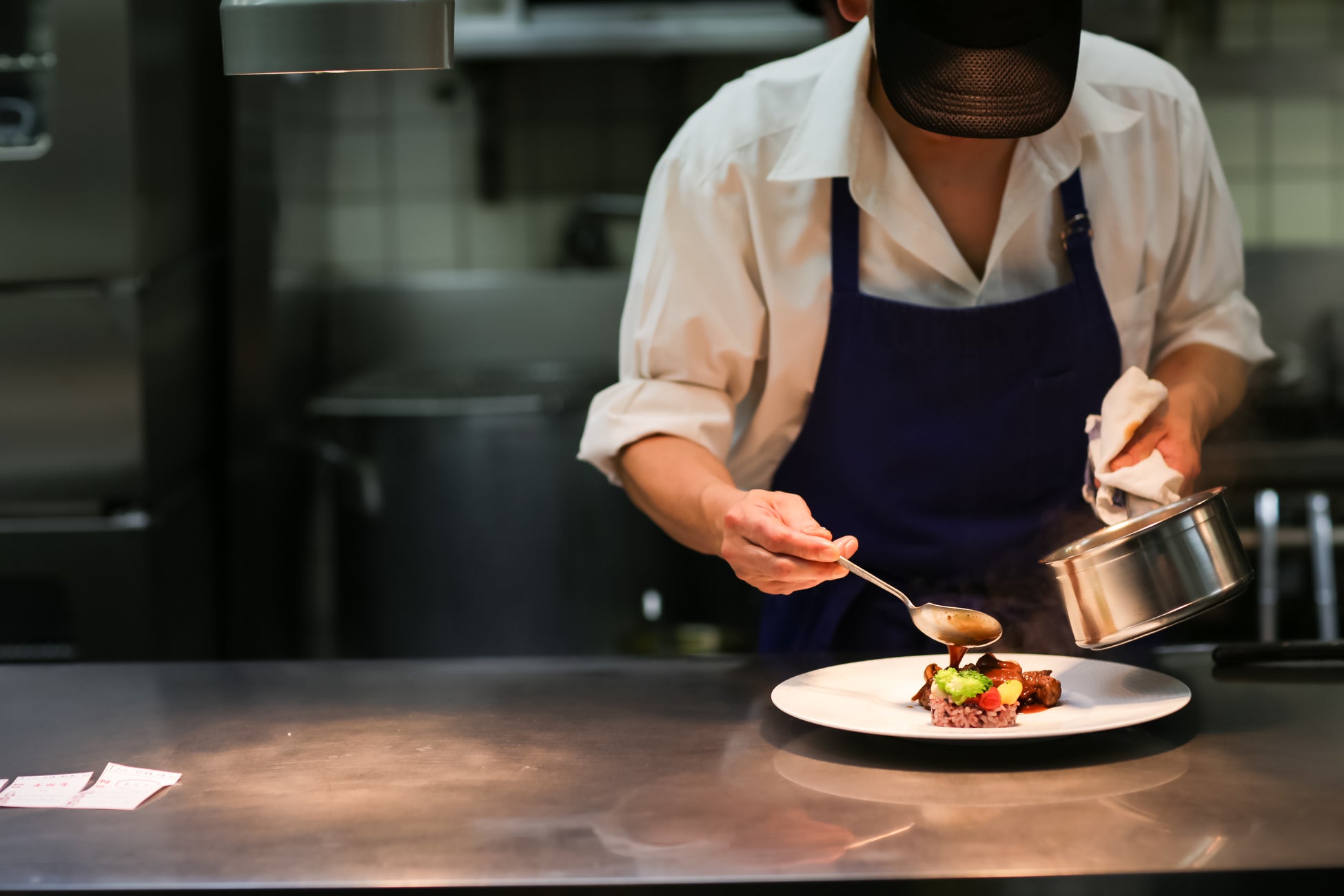
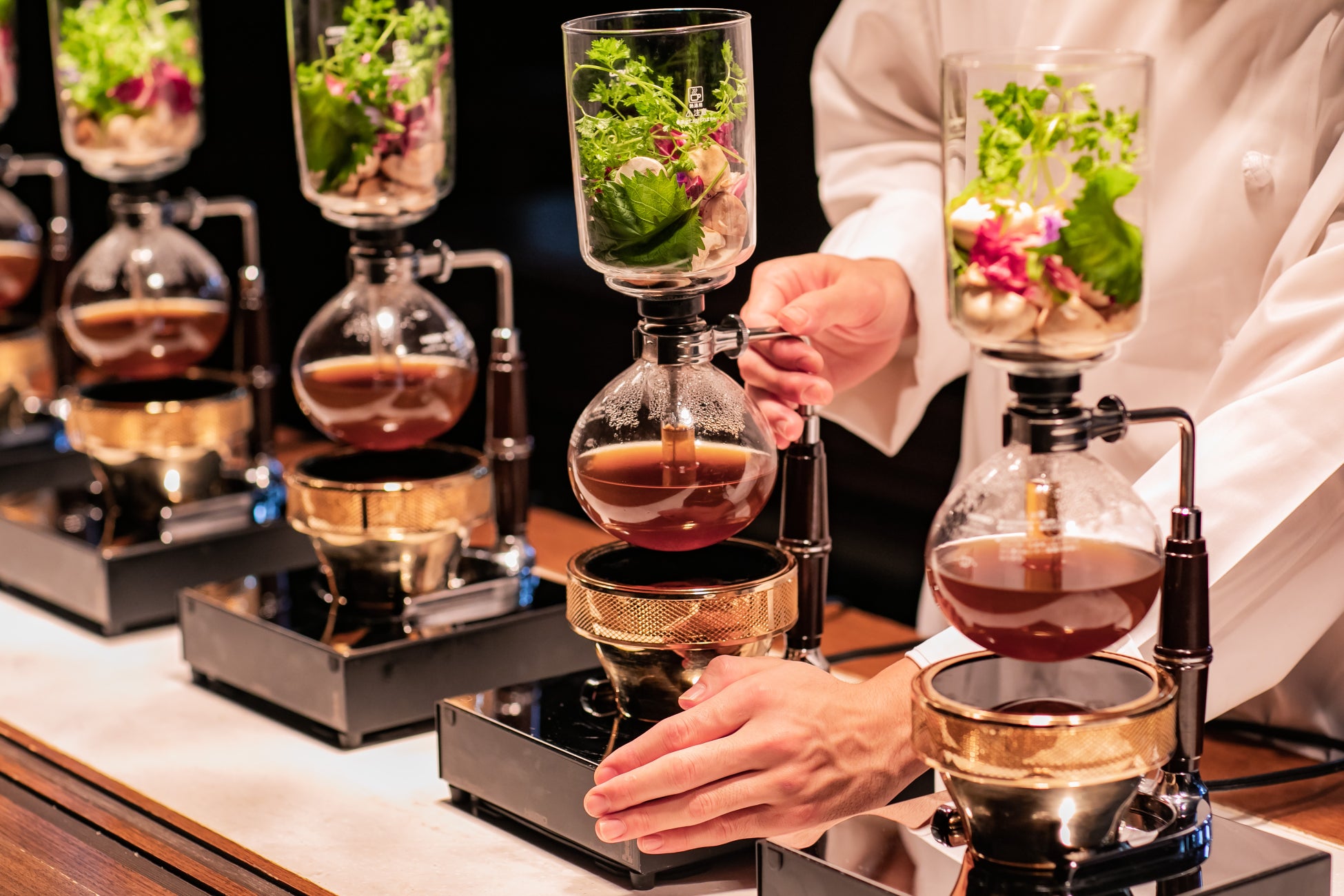
A restaurant service staff member proudly stated that the cuisine created by the chefs at their four venues is second to none. They want to promote this strength more and make it a place where people from all over the country say, "I want to go there to eat that food." And they added that work truly becomes enjoyable by adding some kind of extra value, not just providing service.
Connecting "Weddings are wonderful" to the Next Generation
A recruitment staff member shared a thought that emerged while raising children.
Children are susceptible to emotions at the time. Children attending nursery school say, "I want to be a nursery school teacher," and if they get their hair and makeup done for Shichi-Go-San, they say, "I want to be a hair and makeup artist." However, opportunities to experience weddings are rare unless it's a relative's wedding. So, they wondered if they could create opportunities for children to experience the work of weddings from a younger age.
At our venues, there was a customer who went to see her elementary school teacher's wedding and the感動 (deep emotion) stayed with her even as an adult. She believes that childhood experiences become a primary experience of "weddings are wonderful," and someday grow from "I want to go to that place again" to "I want to see that person again."
In the bridal industry, it's not uncommon for staff to move on to the next path after 3 to 5 years, feeling like they've "run their course." We feel that this is a waste. We hope to become a company where people at various life stages, from young generations to their 30s and 40s, can utilize their diverse experiences to engage with various customers. A planner in her fifth year also mentioned that whenever she is in charge of a wedding for a couple with children, she thinks, "If I had experienced being a mother, what kind of wedding would I propose?" She believes that at each phase of life, different experiences can be leveraged.
FAQ
What does Still Ann Co., Ltd.'s goal of an "unending story" mean?
It refers to building long-term human relationships with customers, staff, and the local community beyond just a one-day wedding event, walking through life's milestones together.
What are the main challenges facing the bridal industry?
Declining marriage rates, the establishment of small-scale and photo weddings, an increase in "no-wedding" choices, and severe labor shortages are key challenges.
How is Still Ann addressing the labor shortage issue?
By fostering a corporate culture that values "human" connections, aiming to improve recruitment and retention rates by providing an environment where staff feel rewarded and can work long-term.