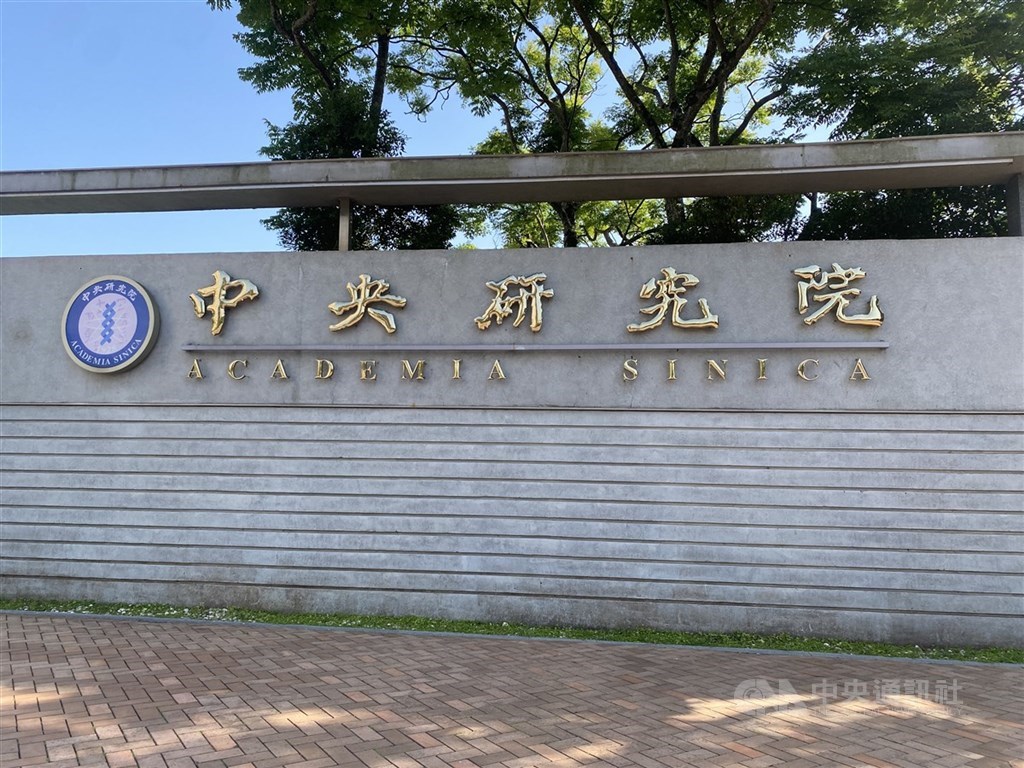
(CNA reporter Wu Hsin-yun, Taipei, 21st) Academia Sinica recently filed a patent infringement lawsuit against Microsoft in the United States. Academia Sinica stated today that the case concerns the infringement of some special functions of an input method within a software suite. Although there has always been room for negotiation, reaching this step indicates that a more positive response has not yet been received. According to public case records from a U.S. legal proceedings tracking website, Academia Sinica has recently filed a patent infringement lawsuit against Microsoft Corporation in the United States. Academia Sinica also stated on its official website that it filed a lawsuit on the 15th (14th, U.S. local time) in the U.S. District Court for the Eastern District of Texas against Microsoft Corporation for infringing the academy's patent with products such as Visual Studio. Chiu Wen-tsung, Director of Academia Sinica's Department of Intellectual Property and Technology Transfer, stated in a media interview today that Academia Sinica's research and development achievements are created using public resources, such as public budgets, and therefore the institution places great importance on the intellectual property rights of its R&D results. Chiu said that the academy is pleased when the results produced by its researchers are used under legal license. However, if they are used without legal authorization, the academy will strive to guide such use back to a legitimate path. Therefore, when such a situation is discovered, they usually try to negotiate with the other party first, hoping to return to a legal licensing model. However, Chiu also mentioned that this case has been ongoing for over three, nearly four years, during which many steps were taken, including confirming the connection to Academia Sinica's technology and whether the relevant company was willing to discuss legal licensing. Only then was legal remedy sought. Although a lawsuit has been filed, space for negotiation with the company is still being maintained. However, reaching this point indeed means that past efforts have not yet yielded a more positive response. Chiu said that Academia Sinica holds related patents for this technology in both Taiwan and the United States. It is an information science technology developed by researchers from the Institute of Information Science. This case is a patent infringement lawsuit concerning the infringement of some special functions of an input method in a software suite. Chiu also said that Academia Sinica's patents are evaluated for commercial licensing based on the benefits generated from their different technical values. However, if there is a public benefit, they also provide royalty-free licenses, such as some R&D results during the pandemic which were provided through royalty-free licensing.
FACT BOX
- Source: CNA (Central News Agency)
- Category: 事件
- Products / services: Visual Studio