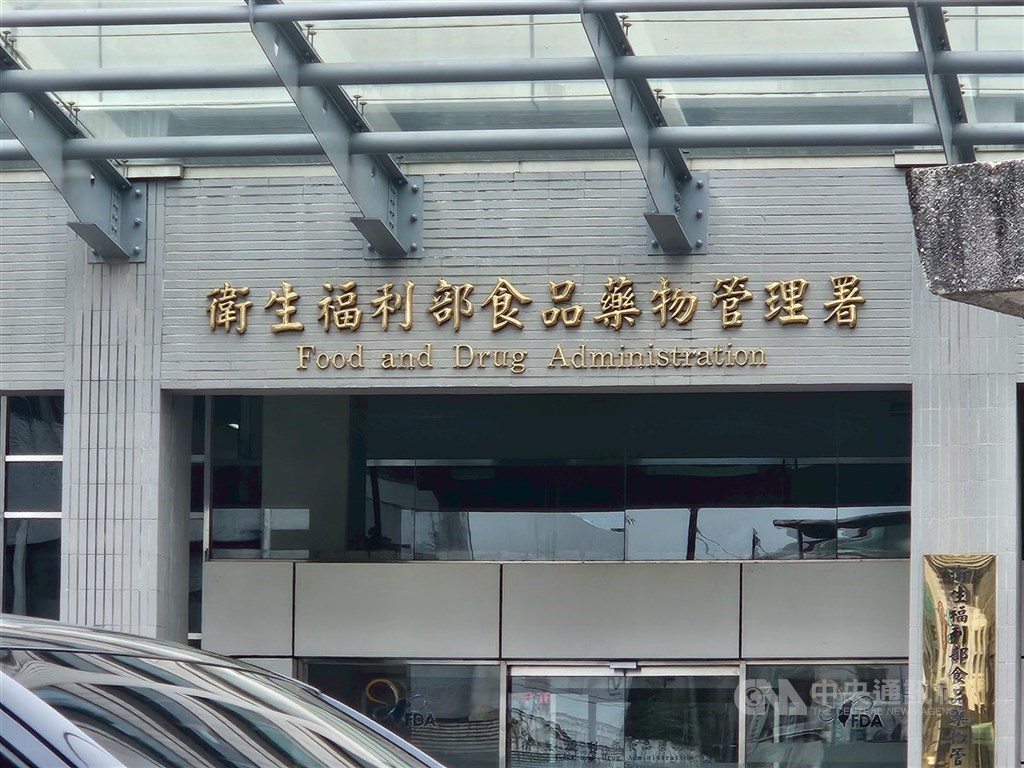
Taiwan FDA Finds 67 Violations in Produce Pesticide Residue Monitoring
Taiwan's Food and Drug Administration (TFDA) announced the results of its Jan-Feb 2026 monitoring of pesticide residues in commercial produce. Out of 582 samples, 67 (11.5%) were found in violation, with an 88.5% compliance rate. Violations were found across Taiwan, including at popular retailers. Fines totaling NT$550,000 have been issued for 16 cases, with others referred to agricultural or local health authorities. The TFDA advises consumers to choose certified products and wash produce thoroughly.
📋 Article Processing Timeline
- 📰 Published: May 21, 2026 at 16:02
- 🔍 Collected: May 21, 2026 at 16:31 (29 min after Published)
- 🤖 AI Analyzed: May 21, 2026 at 16:33 (1 min after Collected)
Taipei, May 21 (CNA) – Taiwan's Food and Drug Administration (TFDA) today released the latest monitoring results for pesticide residues in commercially available fruits and vegetables, revealing that produce sold or used by several popular businesses exceeded legal limits. A total of 67 products were found in violation, with NT$550,000 in fines issued so far.
To safeguard consumer safety for fresh produce, the Ministry of Health and Welfare's TFDA, in collaboration with local health bureaus, is executing the "2026 Commercial Fruit and Vegetable Product Pesticide Residue Monitoring Plan." The results for the January-February monitoring period were announced today.
Wei Jen-ting, Director of the TFDA's Southern Regional Management Center, told the media that based on different objectives and analysis of historical violation data, a risk-based precision sampling approach was used. This round involved enhanced monitoring of 582 agricultural products, with 515 found to be compliant, resulting in a compliance rate of 88.5%.
Regarding the 67 non-compliant products, Wei explained that 42 cases have been referred to agricultural authorities for handling, 16 have been fined a total of NT$550,000 under the Act Governing Food Safety and Sanitation, and 9 are currently being processed by local government health bureaus.
The violating products were found across major distribution channels throughout Taiwan, including a number of well-known retailers, where excessive pesticide residues were detected.
The TFDA reminds the public that when purchasing fruits and vegetables, in addition to choosing seasonal items, they should select products with certifications such as organic, traceability (TAP), or CAS (Certified Agricultural Standards), or buy from reputable vendors to enhance food safety. Furthermore, when washing vegetables, it is recommended to first soak them in running water, then rinse, and finally cut them. For fruits, they should be rinsed with water before peeling and eating. (Editor: Kuan Chung-wei)
To safeguard consumer safety for fresh produce, the Ministry of Health and Welfare's TFDA, in collaboration with local health bureaus, is executing the "2026 Commercial Fruit and Vegetable Product Pesticide Residue Monitoring Plan." The results for the January-February monitoring period were announced today.
Wei Jen-ting, Director of the TFDA's Southern Regional Management Center, told the media that based on different objectives and analysis of historical violation data, a risk-based precision sampling approach was used. This round involved enhanced monitoring of 582 agricultural products, with 515 found to be compliant, resulting in a compliance rate of 88.5%.
Regarding the 67 non-compliant products, Wei explained that 42 cases have been referred to agricultural authorities for handling, 16 have been fined a total of NT$550,000 under the Act Governing Food Safety and Sanitation, and 9 are currently being processed by local government health bureaus.
The violating products were found across major distribution channels throughout Taiwan, including a number of well-known retailers, where excessive pesticide residues were detected.
The TFDA reminds the public that when purchasing fruits and vegetables, in addition to choosing seasonal items, they should select products with certifications such as organic, traceability (TAP), or CAS (Certified Agricultural Standards), or buy from reputable vendors to enhance food safety. Furthermore, when washing vegetables, it is recommended to first soak them in running water, then rinse, and finally cut them. For fruits, they should be rinsed with water before peeling and eating. (Editor: Kuan Chung-wei)
FAQ
這次農藥殘留監測的結果如何?
總共抽驗582件蔬果,其中67件不合格,合格率為88.5%。
不合格的產品有多少罰款?
目前已對其中16件違規案依食安法裁處,共計新台幣55萬元。
違規產品來自哪些地方?
報導指出違規產品遍及全台各大通路,包含不少知名店家,但未列出具體名單。
這是什麼計畫的一部分?
這是衛生福利部食品藥物管理署執行的「115年度市售蔬果農產品農藥殘留監測計畫」。
食藥署對消費者有何建議?
建議民眾選購具備有機、產銷履歷、CAS等標章的產品,並在食用前以流動清水先浸泡再沖洗。