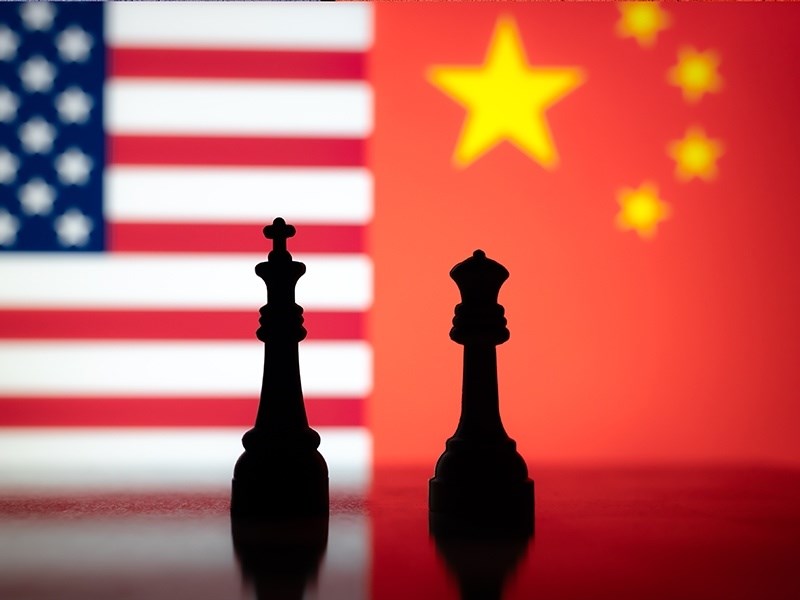
(CNA, Washington, 20th, Comprehensive Foreign Report) The British "Financial Times" reported that China is halting a planned visit by a top Pentagon policy official to pressure US President Donald Trump to delay a $14 billion arms sale to Taiwan. Sources familiar with the matter indicated that the top policy official at the US Department of War, Under Secretary Elbridge Colby, had been in discussions with Chinese officials about a visit this summer. However, Beijing has implied that it cannot approve Colby's visit until Trump decides how to handle the arms sale to Taiwan. The "Financial Times" reported in February of this year that the Trump administration, following the approval of an $11 billion arms sale to Taiwan last December, had prepared a second, $14 billion arms package, triggering a strong backlash from Beijing and the cancellation of previous negotiations with Colby regarding his visit. Zack Cooper, an expert on Asian security issues at the American Enterprise Institute, stated: "I think Beijing will use a future visit by Colby or Secretary of War Pete Hegseth as leverage to pressure the Trump administration to delay, break up, or scale down the arms sales package to Taiwan." The Pentagon said it would not comment on "possible travel" by officials. Bonnie Glaser, director of the Indo-Pacific Program at The German Marshall Fund, said that a visit by Colby would provide an opportunity to reflect US concerns, including Chinese pressure and coercion against US partners and allies, nuclear modernization, and cyber and space activities. Glaser added that Colby could also further explain the US National Defense Strategy, which he helped draft, and discuss the military application of artificial intelligence (AI) and crisis communication. Dennis Wilder, a former senior CIA expert on China, pointed out: "The Chinese know full well that President Trump will not terminate arms sales to Taiwan, but their ultimate goal is to pressure the US to delay announcing a new large package until after Xi Jinping's visit to the US at the end of September." He said, "This is less about testing Trump's commitment to helping Taiwan defend itself and more a device for saving Xi Jinping from embarrassment." The Chinese Embassy in the US stated that they "of Colby's
FACT BOX
- Source: CNA (Central News Agency)
- Category: 國際