Wulai in New Taipei Becomes First Indigenous Area in Northern Taiwan to Earn International Safe Community Certification
New Taipei City's Wulai District has officially joined the International Safe Community Network, becoming the 443rd safe community globally and the first indigenous area in northern Taiwan to receive this certification. The recognition comes after the district improved environmental hazard points, conducted fall prevention training for the elderly, and enhanced residents' risk identification and response capabilities.
📋 Article Processing Timeline
- 📰 Published: May 20, 2026 at 14:29
- 🔍 Collected: May 20, 2026 at 15:02 (33 min after Published)
- 🤖 AI Analyzed: May 20, 2026 at 15:15 (13 min after Collected)
(CNA, New Taipei, May 20, by reporter Huang Hsu-sheng) New Taipei City's Wulai District has improved environmental hazard points, conducted fall prevention training for the elderly, and enhanced its people's risk identification and response capabilities. Having passed the review, it has officially joined the International Safe Community Network, becoming the 443rd safe community in the world and the first certified indigenous area in northern Taiwan.
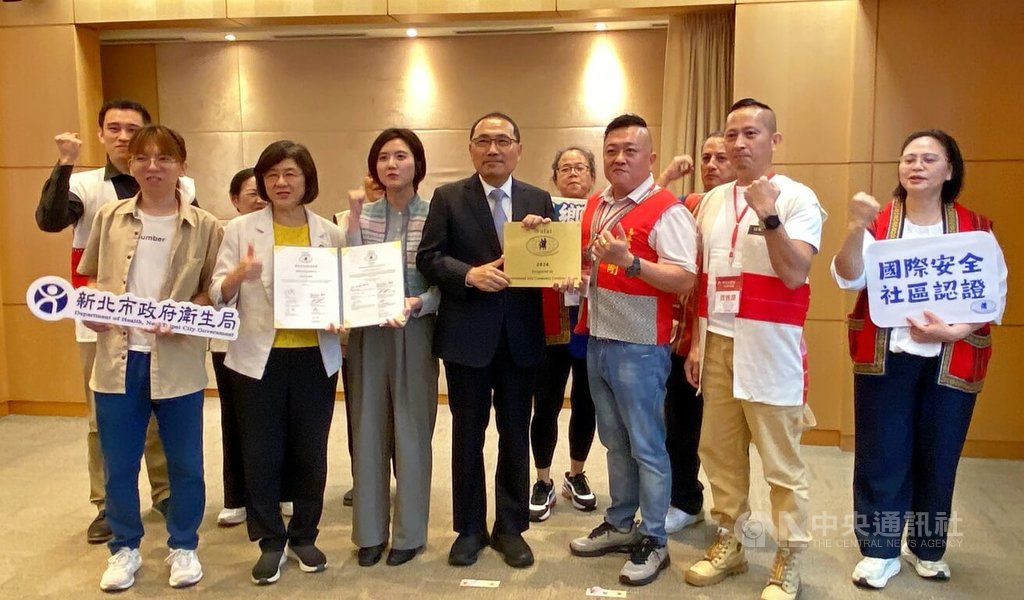
Wulai District was certified as an International Safe Community by the WHO International Safe Community Certifying Centre (WHO ISCCC) on April 18. Today, Siku Yaway Lin Wei-chien, Director-General of the city's Indigenous Peoples Department, and Chen Jun-chiu, Director-General of the Health Bureau, along with Wulai Health Promotion Association President Lin Tung-hao and his team, and District Mayor Chou Chih-kang, shared the good news at a municipal meeting.
"Safe Community" is a concept planned by the World Health Organization in the late 1980s, advocating for the equal right to health and safety for all, including vulnerable groups.
The Indigenous Peoples Department stated that Wulai District was once severely damaged by Typhoon Soudelor, causing major losses and severely impacting residents' lives and infrastructure. In recent years, local community members have built consensus to establish community disaster prevention and safety governance systems for traffic, home, elderly, campus, intentional injury prevention, and natural disaster response.
Lin Tung-hao said that some tourists and a few residents visiting Wulai neglect water safety knowledge or underestimate the danger of streams. The community has collaborated with fire departments and volunteers to strengthen patrols, install more warning signs and life-saving equipment, and integrate with New Taipei's disaster warning e-map. This has led to the rescue of children trapped in flash floods and prevented drowning, falls, and burns from natural hot springs.
He also told CNA that proactive disaster prevention is crucial for mitigating natural disasters. Wulai trains disaster relief volunteers in its villages, with courses covering personal and family safety, community disaster response plans, shelter operations, and Basic Life Support (BLS). They will assist in the evacuation of three villages during the typhoon in July 2024.
Mayor Hou Yu-ih stated that Wulai District's certification as an International Safe Community represents international recognition of local efforts and is a significant milestone for New Taipei City's promotion of resilient governance in indigenous areas. He affirmed continued support for the tribes to advance their safe communities and strengthen their autonomous response capabilities to natural disasters. (Editor: Kuan Chung-wei)
Wulai District was certified as an International Safe Community by the WHO International Safe Community Certifying Centre (WHO ISCCC) on April 18. Today, Siku Yaway Lin Wei-chien, Director-General of the city's Indigenous Peoples Department, and Chen Jun-chiu, Director-General of the Health Bureau, along with Wulai Health Promotion Association President Lin Tung-hao and his team, and District Mayor Chou Chih-kang, shared the good news at a municipal meeting.
"Safe Community" is a concept planned by the World Health Organization in the late 1980s, advocating for the equal right to health and safety for all, including vulnerable groups.
The Indigenous Peoples Department stated that Wulai District was once severely damaged by Typhoon Soudelor, causing major losses and severely impacting residents' lives and infrastructure. In recent years, local community members have built consensus to establish community disaster prevention and safety governance systems for traffic, home, elderly, campus, intentional injury prevention, and natural disaster response.
Lin Tung-hao said that some tourists and a few residents visiting Wulai neglect water safety knowledge or underestimate the danger of streams. The community has collaborated with fire departments and volunteers to strengthen patrols, install more warning signs and life-saving equipment, and integrate with New Taipei's disaster warning e-map. This has led to the rescue of children trapped in flash floods and prevented drowning, falls, and burns from natural hot springs.
He also told CNA that proactive disaster prevention is crucial for mitigating natural disasters. Wulai trains disaster relief volunteers in its villages, with courses covering personal and family safety, community disaster response plans, shelter operations, and Basic Life Support (BLS). They will assist in the evacuation of three villages during the typhoon in July 2024.
Mayor Hou Yu-ih stated that Wulai District's certification as an International Safe Community represents international recognition of local efforts and is a significant milestone for New Taipei City's promotion of resilient governance in indigenous areas. He affirmed continued support for the tribes to advance their safe communities and strengthen their autonomous response capabilities to natural disasters. (Editor: Kuan Chung-wei)