Strong AI Demand Keeps Q1 Current Account Surplus Above US$60 Billion
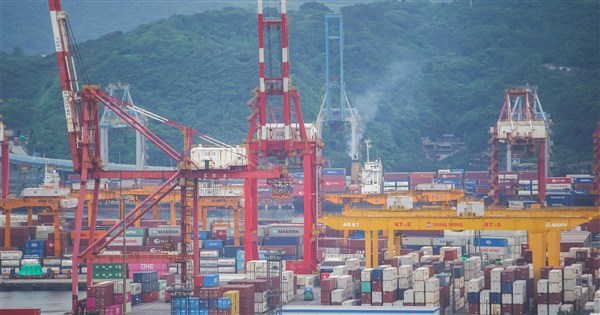
Taiwan's Central Bank announced on the 20th its balance of payments statistics, revealing that strong demand for artificial intelligence (AI) boosted the Q1 2026 current account surplus to US$62.53 billion, the second-highest quarterly figure ever. The goods trade surplus, exports, and imports all set new all-time highs. A Central Bank official believes that if the AI boom continues, the current account surplus could remain at a high level of over US$60 billion in subsequent quarters.
📋 Article Processing Timeline
- 📰 Published: May 20, 2026 at 20:38
- 🔍 Collected: May 20, 2026 at 21:02 (23 min after Published)
- 🤖 AI Analyzed: May 20, 2026 at 21:08 (6 min after Collected)
Taiwan's Central Bank today released its balance of payments statistics, showing that thanks to strong demand for artificial intelligence (AI), the current account surplus for the first quarter of 2026 reached US$62.53 billion, the second-highest quarterly figure on record. The goods trade surplus, exports, and imports also simultaneously set new all-time highs. A Central Bank official suggested that if the AI boom persists, the current account surplus could maintain a high level of over US$60 billion in the future.
According to Central Bank statistics, the Q1 2026 current account surplus was US$62.53 billion, net assets on the financial account increased by US$64.86 billion, and the Central Bank's reserve assets decreased by US$4.66 billion.
Tsai Mei-fen, a member of the Central Bank's Economic Research Department, explained that the main reason for the second-highest current account surplus in the first quarter was the continued strong demand for emerging technology applications, which expanded exports and pushed the goods trade surplus to a new quarterly high of US$58.01 billion. On the other hand, strong exports also drove imports, with both imports and exports setting new historical records in the first quarter.
Tsai also noted that various countries are still investing in AI infrastructure, and the momentum for AI "appears quite optimistic at present." She added that this strong demand is expected to support Taiwan's current account surplus performance, and it is not out of the question for it to remain above the US$60 billion level in subsequent quarters.
Regarding the travel balance under the current account, it continued to show a deficit, which expanded to US$35.5 billion in the first quarter, the second-highest quarterly deficit on record. Tsai stated that the number of outbound travelers from Taiwan hit a new high in the first quarter of this year, driving travel expenditures to US$64.7 billion, while travel income was only US$29.2 billion. The continued boom in outbound travel has led to a persistent travel deficit. On the other hand, this reflects an increase in public income and purchasing power, as "young people are more willing to travel and see the world."
On the financial account, net assets increased by US$64.86 billion in the first quarter, the second-highest quarterly increase on record. This marks the 63rd consecutive quarter of net outflows, with the cumulative net outflow exceeding US$1 trillion. The Central Bank explained that countries with a current account surplus often see an increase in net financial assets. When foreign income exceeds expenditure, a country's net external claims inevitably increase, indicating a net outflow of capital.
Looking closely at the financial account structure, portfolio investment net assets surged by US$41.51 billion, the second-highest on record. However, this was mainly due to a record sell-off of Taiwanese stocks by foreign investors, resulting in a net outflow of US$25.34 billion. Since foreign holdings of Taiwanese stocks are considered a foreign liability for Taiwan, a decrease in this liability boosts the net asset position.
Tsai explained that the record sell-off by foreign investors was primarily caused by the outbreak of the US-Iran war at the end of February, which increased market demand for safe-haven assets and prompted foreign investors to adjust their positions.
Within the financial account, the asset side of "Other Investment" (residents' external investments) reached a historic high of US$29.26 billion. Tsai pointed out that this could be due to increased demand for overseas deposits and trade credits from Taiwanese firms as part of the industrial supply chain relocation process.
According to Central Bank statistics, the Q1 2026 current account surplus was US$62.53 billion, net assets on the financial account increased by US$64.86 billion, and the Central Bank's reserve assets decreased by US$4.66 billion.
Tsai Mei-fen, a member of the Central Bank's Economic Research Department, explained that the main reason for the second-highest current account surplus in the first quarter was the continued strong demand for emerging technology applications, which expanded exports and pushed the goods trade surplus to a new quarterly high of US$58.01 billion. On the other hand, strong exports also drove imports, with both imports and exports setting new historical records in the first quarter.
Tsai also noted that various countries are still investing in AI infrastructure, and the momentum for AI "appears quite optimistic at present." She added that this strong demand is expected to support Taiwan's current account surplus performance, and it is not out of the question for it to remain above the US$60 billion level in subsequent quarters.
Regarding the travel balance under the current account, it continued to show a deficit, which expanded to US$35.5 billion in the first quarter, the second-highest quarterly deficit on record. Tsai stated that the number of outbound travelers from Taiwan hit a new high in the first quarter of this year, driving travel expenditures to US$64.7 billion, while travel income was only US$29.2 billion. The continued boom in outbound travel has led to a persistent travel deficit. On the other hand, this reflects an increase in public income and purchasing power, as "young people are more willing to travel and see the world."
On the financial account, net assets increased by US$64.86 billion in the first quarter, the second-highest quarterly increase on record. This marks the 63rd consecutive quarter of net outflows, with the cumulative net outflow exceeding US$1 trillion. The Central Bank explained that countries with a current account surplus often see an increase in net financial assets. When foreign income exceeds expenditure, a country's net external claims inevitably increase, indicating a net outflow of capital.
Looking closely at the financial account structure, portfolio investment net assets surged by US$41.51 billion, the second-highest on record. However, this was mainly due to a record sell-off of Taiwanese stocks by foreign investors, resulting in a net outflow of US$25.34 billion. Since foreign holdings of Taiwanese stocks are considered a foreign liability for Taiwan, a decrease in this liability boosts the net asset position.
Tsai explained that the record sell-off by foreign investors was primarily caused by the outbreak of the US-Iran war at the end of February, which increased market demand for safe-haven assets and prompted foreign investors to adjust their positions.
Within the financial account, the asset side of "Other Investment" (residents' external investments) reached a historic high of US$29.26 billion. Tsai pointed out that this could be due to increased demand for overseas deposits and trade credits from Taiwanese firms as part of the industrial supply chain relocation process.