Manager Mistook Angina for Acid Reflux; Doctors Find Severe Coronary Artery Blockage
A 50-year-old manager in Taichung who experienced frequent angina and chest tightness for nearly six months initially thought it was gastroesophageal reflux. An examination revealed severe coronary artery blockage. After undergoing a stent placement procedure at Asia University Affiliated Hospital, his condition stabilized. Doctors advise that persistent chest discomfort should be checked by a medical professional promptly.
📋 Article Processing Timeline
- 📰 Published: May 20, 2026 at 17:11
- 🔍 Collected: May 20, 2026 at 17:32 (21 min after Published)
- 🤖 AI Analyzed: May 20, 2026 at 17:36 (3 min after Collected)
(CNA, by reporter Su Mu-chun, Taichung, May 20) A manager at a company in Taichung who had been experiencing frequent angina and chest tightness for the past six months initially believed it was gastroesophageal reflux. An examination revealed severe coronary artery blockage, and his condition has stabilized after a stent placement procedure. Doctors are reminding the public to seek prompt medical evaluation for any persistent chest discomfort.
Asia University Affiliated Hospital issued a press release today stating that a 50-year-old patient, surnamed Lin, a company manager, had a health check-up two years ago where a cardiac angiography report showed his coronary arteries were very clear. However, starting about five months ago, he noticed that even with slight exertion like walking a bit faster, climbing two or three flights of stairs, or even sitting for a long time in meetings, he would experience a tightening sensation in his chest, sometimes accompanied by cold sweats and a sore left shoulder. He would also often be awakened by angina pains in the middle of the night.
The patient thought he was having episodes of gastroesophageal reflux and tried to reduce the frequency by eating less. At his wife's suggestion, he went for a health check-up at a hospital last month, which revealed a severe blockage in his right coronary artery, as if it had been "pinched off."
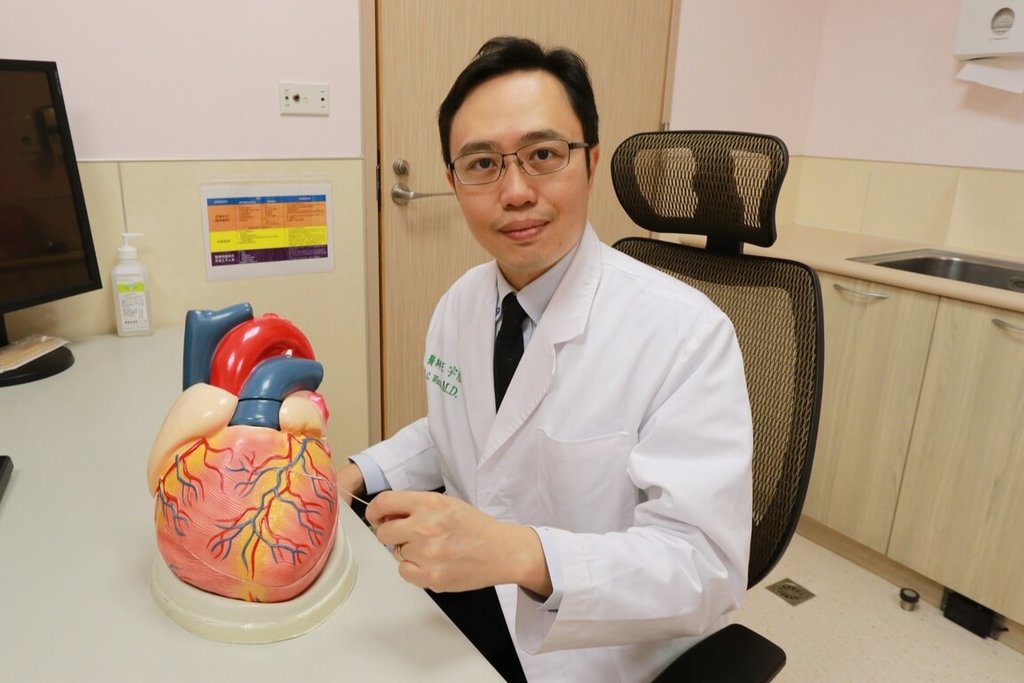
Dr. Wang Yu-cheng, Director of the Department of Cardiology at Asia University Affiliated Hospital, pointed out that a cardiac computed tomography angiography showed the patient had an extremely severe stenosis of the right coronary artery, with blood flow almost completely obstructed. The left anterior descending artery was also 70% blocked. "It was as if two out of three highways had collapsed and were impassable," said Dr. Wang. Although some "collateral circulation" had developed to supply blood, he was at constant risk of an acute myocardial infarction or even sudden death.
The medical team first used cardiac catheterization and a balloon angioplasty procedure to identify the blockages. Subsequently, they placed two drug-eluting cardiac stents in the right coronary artery and one in the left anterior descending artery, successfully opening up the vessels and restoring smooth blood flow. The patient revealed, "The moment the stents were put in and the vessel was cleared, I felt the pressure in my chest disappear instantly." His condition has since stabilized.
Dr. Wang explained that severe blockage of a coronary artery within a short period is quite rare and may be related to atherosclerotic plaque rupture and thrombus formation. Furthermore, psychological stress, emotional fluctuations, and even overwork can lead to increased blood pressure and heart rate, raising the risk of plaque rupture.
Dr. Wang reminded the public that the initial stages of blockage often lack severe, sharp pain. Most patients present with atypical symptoms such as chest tightness, shortness of breath, and fatigue. People with a history of smoking, the "three highs" (hypertension, hyperlipidemia, hyperglycemia), or a family history of cardiovascular disease are particularly at high risk. If persistent chest discomfort occurs, it should not be dismissed as a gastrointestinal issue or overwork; one should seek medical evaluation as soon as possible. (Editor: Wu Su-jou) 1150520
Asia University Affiliated Hospital issued a press release today stating that a 50-year-old patient, surnamed Lin, a company manager, had a health check-up two years ago where a cardiac angiography report showed his coronary arteries were very clear. However, starting about five months ago, he noticed that even with slight exertion like walking a bit faster, climbing two or three flights of stairs, or even sitting for a long time in meetings, he would experience a tightening sensation in his chest, sometimes accompanied by cold sweats and a sore left shoulder. He would also often be awakened by angina pains in the middle of the night.
The patient thought he was having episodes of gastroesophageal reflux and tried to reduce the frequency by eating less. At his wife's suggestion, he went for a health check-up at a hospital last month, which revealed a severe blockage in his right coronary artery, as if it had been "pinched off."
Dr. Wang Yu-cheng, Director of the Department of Cardiology at Asia University Affiliated Hospital, pointed out that a cardiac computed tomography angiography showed the patient had an extremely severe stenosis of the right coronary artery, with blood flow almost completely obstructed. The left anterior descending artery was also 70% blocked. "It was as if two out of three highways had collapsed and were impassable," said Dr. Wang. Although some "collateral circulation" had developed to supply blood, he was at constant risk of an acute myocardial infarction or even sudden death.
The medical team first used cardiac catheterization and a balloon angioplasty procedure to identify the blockages. Subsequently, they placed two drug-eluting cardiac stents in the right coronary artery and one in the left anterior descending artery, successfully opening up the vessels and restoring smooth blood flow. The patient revealed, "The moment the stents were put in and the vessel was cleared, I felt the pressure in my chest disappear instantly." His condition has since stabilized.
Dr. Wang explained that severe blockage of a coronary artery within a short period is quite rare and may be related to atherosclerotic plaque rupture and thrombus formation. Furthermore, psychological stress, emotional fluctuations, and even overwork can lead to increased blood pressure and heart rate, raising the risk of plaque rupture.
Dr. Wang reminded the public that the initial stages of blockage often lack severe, sharp pain. Most patients present with atypical symptoms such as chest tightness, shortness of breath, and fatigue. People with a history of smoking, the "three highs" (hypertension, hyperlipidemia, hyperglycemia), or a family history of cardiovascular disease are particularly at high risk. If persistent chest discomfort occurs, it should not be dismissed as a gastrointestinal issue or overwork; one should seek medical evaluation as soon as possible. (Editor: Wu Su-jou) 1150520