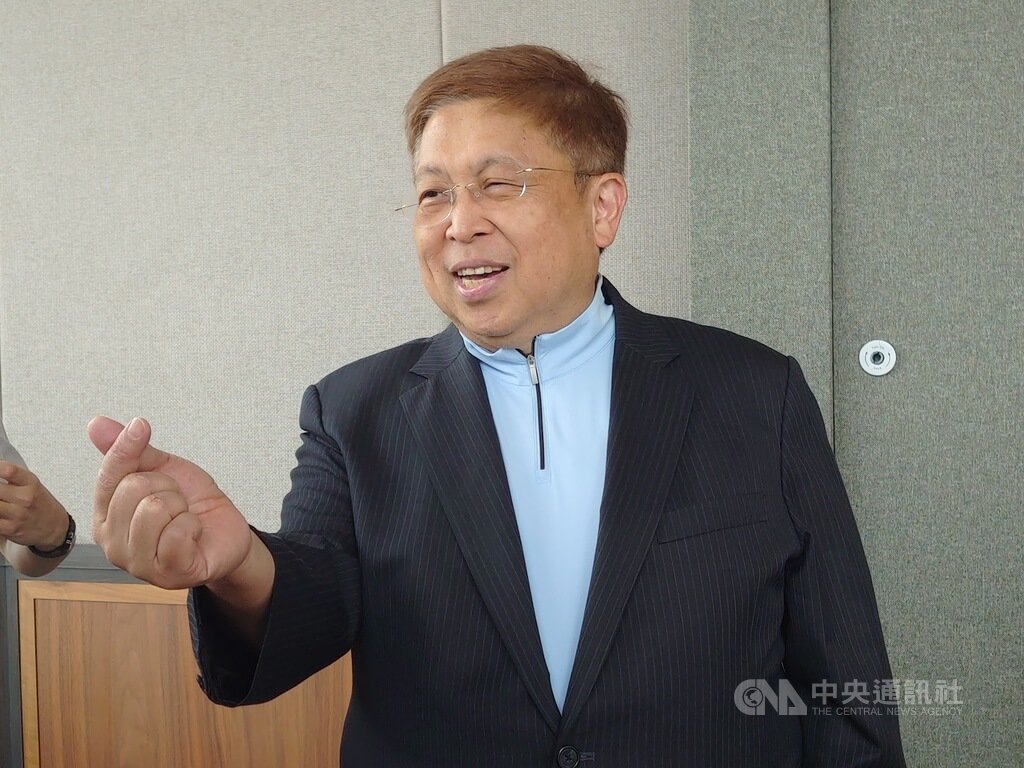
(CNA, Taipei, May 20, by reporter Chang Chien-chung) With labor negotiations at South Korean memory giant Samsung breaking down, the union has announced a full-scale strike set to begin on the 21st. Simon Chen, Chairman of memory module maker ADATA, stated that the Samsung strike is unavoidable and will affect memory output, but its impact on the full year should be limited. He noted that a psychological effect could drive up prices for DRAM and NAND Flash. ADATA held a media gathering today where Chen shared his views on the announced strike. He said the strike is unavoidable because the labor and management sides could not reach an agreement and a gap remains. Chen stated that as Samsung is the world's leading manufacturer of Dynamic Random-Access Memory (DRAM) and NAND Flash memory, the strike will affect memory output, but the impact on annual output should be limited. He said that driven by psychological effects, the event could lead to continued price increases for DRAM and NAND Flash, though he hopes the rate of increase will be moderate. He also expressed hope that the Samsung strike will end soon. Chen mentioned that although Chinese memory manufacturers are actively expanding production, the new capacity is likely to come online the year after next and will account for a small share of the global total, so its impact on the overall memory market should be limited. He expects DRAM and NAND Flash to remain in a state of short supply this year and next. Chen said that DDR4 prices will also continue to rise, and ADATA will keep building its inventory, with stock levels set to climb to NT$50 billion by the end of the third quarter. (Editor: Yang Lan-hsuan)
FACT BOX
- Source: CNA (Central News Agency)
- Category: 產業
- Products / services: DRAM / NAND Flash