Former East German Minister Praises Taiwan's Transitional Justice at Berlin Photo Exhibition
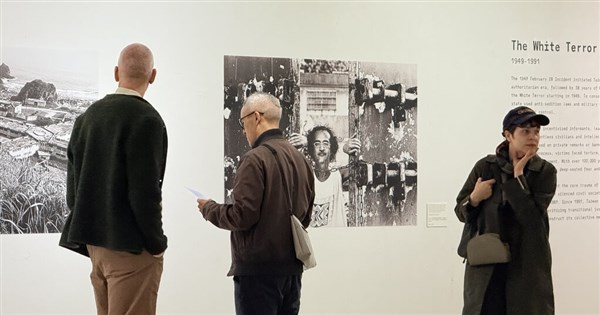
A recent photography exhibition in Berlin, "Taiwan Echoes of Democracy," reflects on Taiwan's democratization process through news images of its street movements. Markus Meckel, the last Foreign Minister of East Germany, visited and spoke at the event, praising Taiwan's efforts in transitional justice. Citing Germany's "culture of remembrance" (Erinnerungskultur), he stressed the indispensability of knowing one's past to understand the value of freedom. The exhibition aims to show that Taiwan's democracy was achieved through long-term struggle.
📋 Article Processing Timeline
- 📰 Published: May 19, 2026 at 17:54
- 🔍 Collected: May 19, 2026 at 18:02 (7 min after Published)
- 🤖 AI Analyzed: May 19, 2026 at 18:23 (21 min after Collected)
An exhibition in Berlin showcasing news photographs of Taiwan's street movements has drawn praise from former East German Foreign Minister Markus Meckel. During his visit, he commended Taiwan's democracy and transitional justice work, highlighting the importance of a "culture of remembrance" and stating that for a democratic society to truly understand the value of freedom, it must clearly know its own past.
The Berlin photography exhibition, titled "Taiwan Echoes of Democracy," recently opened, featuring 17 works by Taiwanese photojournalists Hsieh San-tai, Pan Hsiao-hsia, Hsu Po-hsin, and Huang Tzy-ming. Through their camera lenses, the exhibition looks back at important historical scenes from Taiwan's street movements and democratization process.
The exhibition's content is drawn from the documentary "Democracy's Eye," in which director Chung Yi-chieh interviews several veteran photojournalists who personally witnessed Taiwan's democratization. They recount the true records of the turbulent era of street movements around the lifting of martial law, including the Tangwai movement, the May 20th Farmers' Movement, and the anti-Fifth Naphtha Cracker protests.
Among the 17 works, curator Yeh Tzu-jui specially recommends a photograph of Cheng Nan-jung by the late photographer Pan Hsiao-hsia, and the historical image of Chan I-hua's self-immolation protest during Cheng Nan-jung's funeral procession on May 19, 1989.
Yeh stated that he hopes these images will help audiences in both Germany and Taiwan understand that Taiwan's democracy was not a given, but was achieved step by step through long-term social movements and struggles.
In Germany, the core spirit of its "culture of remembrance" (Erinnerungskultur) is precisely how to preserve the memory of its authoritarian history through images, archives, education, and public discussion. This public consciousness, which gradually formed after World War II, emphasizes continuous reflection on the Nazi and East German dictatorial pasts to prevent society from forgetting the harm caused by totalitarian rule, and to encourage different generations to continuously reflect on the importance of freedom and democracy.
During the exhibition, the organizers specially invited Markus Meckel, an East German democracy activist and former Foreign Minister, for a panel discussion to introduce how Germany confronts its authoritarian and dictatorial history.
On the eve of the fall of the Berlin Wall in 1989, Meckel co-founded the Social Democratic Party in the GDR (SDP) with other dissidents. In 1990, he became the last Foreign Minister of East Germany and participated in the German reunification negotiations. After reunification, he has long been involved in the work of opening the Stasi archives, research on the East German dictatorship, and democratic education.
In an interview with CNA, Meckel stated that if a society wants to truly understand the values of freedom and democracy, it must know its own past. "Many young people who grow up in a free society find it difficult to truly realize the importance of freedom because they take it for granted," Meckel said. He added that even today, many people around the world lack these freedoms, and the significance of historical reflection is to make society understand that every person willing to stand up for freedom and democracy is crucial.
He pointed out that Germany did not complete its reflection on its Nazi past immediately after World War II. For a long time after the war, many figures from the old regime remained in West Germany's judicial and government sectors, and society was unwilling to truly face Nazi culpability.
"Historical reflection can never truly be over," Meckel said, noting that democratization does not mean a society can immediately sever ties with its authoritarian system. Therefore, even after reunification, Germany has continued to push for the opening of Nazi and East German archives.
When discussing the role of art and photography in the culture of remembrance, Meckel expressed his belief that art, literature, and visual records are precious because they can touch people's emotions, allowing history to be more than just institutions and abstract concepts, but to truly enter people's feelings and memories.
Meckel, who visited Taiwan three years ago, also observed that although Taiwan's recent reflection on its authoritarian history and its transitional justice work are fraught with challenges, society is continuously moving forward.
He noted that some political parties and social groups are themselves linked to the past authoritarian regime, making them more conservative and hesitant in historical reckoning. But the most important thing, he believes, is that people are willing to see the suffering of past victims and to believe that "this kind of thing must not happen again."
The exhibition and panel discussion were held at a location on the former border between East and West Germany. For many Germans, the democratic images from Taiwan's streets also reminded them of their own longing for freedom during the East German era. And for human rights workers like Meckel, who are dedicated to preserving the "culture of remembrance," preserving history is not just about looking back at the past; it is about enabling different generations to understand where democracy comes from and why freedom is worth continuously defending.
The Berlin photography exhibition, titled "Taiwan Echoes of Democracy," recently opened, featuring 17 works by Taiwanese photojournalists Hsieh San-tai, Pan Hsiao-hsia, Hsu Po-hsin, and Huang Tzy-ming. Through their camera lenses, the exhibition looks back at important historical scenes from Taiwan's street movements and democratization process.
The exhibition's content is drawn from the documentary "Democracy's Eye," in which director Chung Yi-chieh interviews several veteran photojournalists who personally witnessed Taiwan's democratization. They recount the true records of the turbulent era of street movements around the lifting of martial law, including the Tangwai movement, the May 20th Farmers' Movement, and the anti-Fifth Naphtha Cracker protests.
Among the 17 works, curator Yeh Tzu-jui specially recommends a photograph of Cheng Nan-jung by the late photographer Pan Hsiao-hsia, and the historical image of Chan I-hua's self-immolation protest during Cheng Nan-jung's funeral procession on May 19, 1989.
Yeh stated that he hopes these images will help audiences in both Germany and Taiwan understand that Taiwan's democracy was not a given, but was achieved step by step through long-term social movements and struggles.
In Germany, the core spirit of its "culture of remembrance" (Erinnerungskultur) is precisely how to preserve the memory of its authoritarian history through images, archives, education, and public discussion. This public consciousness, which gradually formed after World War II, emphasizes continuous reflection on the Nazi and East German dictatorial pasts to prevent society from forgetting the harm caused by totalitarian rule, and to encourage different generations to continuously reflect on the importance of freedom and democracy.
During the exhibition, the organizers specially invited Markus Meckel, an East German democracy activist and former Foreign Minister, for a panel discussion to introduce how Germany confronts its authoritarian and dictatorial history.
On the eve of the fall of the Berlin Wall in 1989, Meckel co-founded the Social Democratic Party in the GDR (SDP) with other dissidents. In 1990, he became the last Foreign Minister of East Germany and participated in the German reunification negotiations. After reunification, he has long been involved in the work of opening the Stasi archives, research on the East German dictatorship, and democratic education.
In an interview with CNA, Meckel stated that if a society wants to truly understand the values of freedom and democracy, it must know its own past. "Many young people who grow up in a free society find it difficult to truly realize the importance of freedom because they take it for granted," Meckel said. He added that even today, many people around the world lack these freedoms, and the significance of historical reflection is to make society understand that every person willing to stand up for freedom and democracy is crucial.
He pointed out that Germany did not complete its reflection on its Nazi past immediately after World War II. For a long time after the war, many figures from the old regime remained in West Germany's judicial and government sectors, and society was unwilling to truly face Nazi culpability.
"Historical reflection can never truly be over," Meckel said, noting that democratization does not mean a society can immediately sever ties with its authoritarian system. Therefore, even after reunification, Germany has continued to push for the opening of Nazi and East German archives.
When discussing the role of art and photography in the culture of remembrance, Meckel expressed his belief that art, literature, and visual records are precious because they can touch people's emotions, allowing history to be more than just institutions and abstract concepts, but to truly enter people's feelings and memories.
Meckel, who visited Taiwan three years ago, also observed that although Taiwan's recent reflection on its authoritarian history and its transitional justice work are fraught with challenges, society is continuously moving forward.
He noted that some political parties and social groups are themselves linked to the past authoritarian regime, making them more conservative and hesitant in historical reckoning. But the most important thing, he believes, is that people are willing to see the suffering of past victims and to believe that "this kind of thing must not happen again."
The exhibition and panel discussion were held at a location on the former border between East and West Germany. For many Germans, the democratic images from Taiwan's streets also reminded them of their own longing for freedom during the East German era. And for human rights workers like Meckel, who are dedicated to preserving the "culture of remembrance," preserving history is not just about looking back at the past; it is about enabling different generations to understand where democracy comes from and why freedom is worth continuously defending.