White House Presidential Economic Report: US Imports from Taiwan to See Largest Annual Increase Globally in 2025
According to the White House's "2026 Presidential Economic Report," US bilateral trade patterns have undergone significant changes, with imports from China decreasing while imports from Taiwan surged by US$59.6 billion, marking the largest increase among all countries. This symbolizes US-Taiwan economic integration and strengthens economic and trade relations from the perspectives of innovation and economic security. Based on the "Agreement on Reciprocal Trade" announced in February 2026, Taiwan will invest at least US$250 billion in US semiconductor, energy, and AI projects, with an additional US$250 billion credit guarantee from the Taiwanese government for building semiconductor supply chains. This agreement modernizes US-Taiwan trade relations by expanding market access for US exports and eliminating trade barriers.
📋 Article Processing Timeline
- 📰 Published: April 15, 2026 at 13:36
- 🔍 Collected: April 15, 2026 at 14:01 (25 min after Published)
- 🤖 AI Analyzed: April 15, 2026 at 18:10 (4h 9m after Collected)
Central News Agency
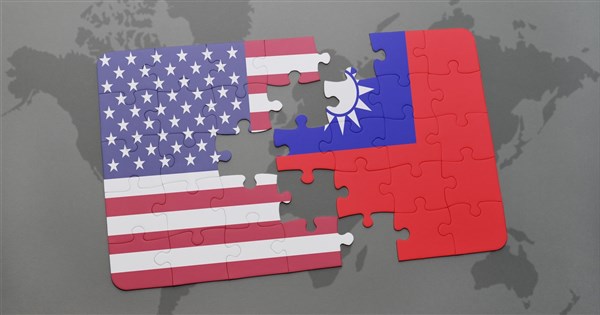
(Central News Agency reporter Liao Han-yuan, Washington, April 14) The White House Council of Economic Advisers announced the "2026 Presidential Economic Report," stating that significant changes have occurred in US bilateral trade. The proportion of imported goods from China has fallen to near 2000 levels, while imports from Taiwan have surged by US$59.6 billion (approximately NT$1.88 trillion), making it the largest increase among all countries. This symbolizes US-Taiwan economic integration and can strengthen US-Taiwan economic and trade relations from the perspectives of innovation and economic security.
The White House Council of Economic Advisers announced the "2026 Presidential Economic Report" on April 13. In the chapter on "Balanced Trade," it points out that last year, significant changes occurred in US bilateral trade patterns, particularly a US$97.1 billion decrease in imported goods from China, which now accounts for 9.3% of total US imports, down from 13.4% in 2024, approaching the 8.9% level when China joined the World Trade Organization (WTO) in 2000.
In addition, total US imports from Canada, Germany, South Korea, and Singapore decreased, while imports from Taiwan, Switzerland, Vietnam, Ireland, and Mexico increased.
In 2025, US imports from Taiwan increased by US$59.6 billion compared to 2024, marking the largest increase among all countries, a significant contrast to the US$97.1 billion decrease from China.
The chapter "Modernizing US-Taiwan Economic and Trade Investment Links" in the report states that in February 2026, the US and Taiwan announced the "Agreement on Reciprocal Trade." This agreement is based on an investment agreement signed in January, under which Taiwanese companies will invest at least US$250 billion in US semiconductor, energy, and artificial intelligence projects. Furthermore, the Taiwanese government will provide an additional US$250 billion in credit guarantees for establishing semiconductor supply chains and ecosystems.
The "Agreement on Reciprocal Trade" modernizes bilateral trade relations by expanding market access for US exports. For example, the agreement eliminates Taiwan's trade barriers to US agricultural and industrial products, establishes clear trade conditions, and promotes fair competition, ensuring the successful operation of US businesses in the Taiwanese market.
Essentially, the signing of a comprehensive trade and investment agreement between the US and Taiwan will help create high-value jobs, develop advanced manufacturing capabilities, reduce vulnerabilities in critical supply chains, and provide better access for US businesses to the Taiwanese market, thereby strengthening US-Taiwan economic and trade relations from the perspectives of innovation and economic security. (Edited by Wei Shu) 1150415
Choose to stand with facts; every sponsorship you provide is a force for protecting press freedom.
Download the Central News Agency "First-hand News" APP to stay updated with the latest news.
Text, images, and audio-visual content on this website may not be reproduced, publicly broadcast, publicly transmitted, or utilized without authorization.
(Central News Agency reporter Liao Han-yuan, Washington, April 14) The White House Council of Economic Advisers announced the "2026 Presidential Economic Report," stating that significant changes have occurred in US bilateral trade. The proportion of imported goods from China has fallen to near 2000 levels, while imports from Taiwan have surged by US$59.6 billion (approximately NT$1.88 trillion), making it the largest increase among all countries. This symbolizes US-Taiwan economic integration and can strengthen US-Taiwan economic and trade relations from the perspectives of innovation and economic security.
The White House Council of Economic Advisers announced the "2026 Presidential Economic Report" on April 13. In the chapter on "Balanced Trade," it points out that last year, significant changes occurred in US bilateral trade patterns, particularly a US$97.1 billion decrease in imported goods from China, which now accounts for 9.3% of total US imports, down from 13.4% in 2024, approaching the 8.9% level when China joined the World Trade Organization (WTO) in 2000.
In addition, total US imports from Canada, Germany, South Korea, and Singapore decreased, while imports from Taiwan, Switzerland, Vietnam, Ireland, and Mexico increased.
In 2025, US imports from Taiwan increased by US$59.6 billion compared to 2024, marking the largest increase among all countries, a significant contrast to the US$97.1 billion decrease from China.
The chapter "Modernizing US-Taiwan Economic and Trade Investment Links" in the report states that in February 2026, the US and Taiwan announced the "Agreement on Reciprocal Trade." This agreement is based on an investment agreement signed in January, under which Taiwanese companies will invest at least US$250 billion in US semiconductor, energy, and artificial intelligence projects. Furthermore, the Taiwanese government will provide an additional US$250 billion in credit guarantees for establishing semiconductor supply chains and ecosystems.
The "Agreement on Reciprocal Trade" modernizes bilateral trade relations by expanding market access for US exports. For example, the agreement eliminates Taiwan's trade barriers to US agricultural and industrial products, establishes clear trade conditions, and promotes fair competition, ensuring the successful operation of US businesses in the Taiwanese market.
Essentially, the signing of a comprehensive trade and investment agreement between the US and Taiwan will help create high-value jobs, develop advanced manufacturing capabilities, reduce vulnerabilities in critical supply chains, and provide better access for US businesses to the Taiwanese market, thereby strengthening US-Taiwan economic and trade relations from the perspectives of innovation and economic security. (Edited by Wei Shu) 1150415
Choose to stand with facts; every sponsorship you provide is a force for protecting press freedom.
Download the Central News Agency "First-hand News" APP to stay updated with the latest news.
Text, images, and audio-visual content on this website may not be reproduced, publicly broadcast, publicly transmitted, or utilized without authorization.