Social Worker in Kai-kai Case Sentenced to 2 Years for Inaction Despite Being Key to Rescue
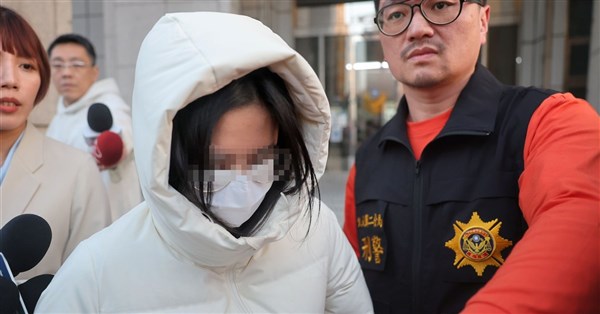
In the fatal child abuse case of Kai-kai, the Taipei District Court sentenced Child Welfare League social worker Chen Shang-jie to 2 years in prison for negligent homicide due to her professional inaction that led to the tragedy.
📋 Article Processing Timeline
- 📰 Published: April 16, 2026 at 12:47
- 🔍 Collected: April 16, 2026 at 13:01 (14 min after Published)
- 🤖 AI Analyzed: April 19, 2026 at 01:16 (60h 14m after Collected)
Central News Agency Message
(CNA Reporters Hsieh Chun-lin and Chen Yu-ting, Taipei, 16th) In the case of Kai-kai being abused to death, the Taipei District Court today sentenced Child Welfare League female social worker Chen Shang-jie to 2 years in prison for negligent homicide. The judgment pointed out that Chen Shang-jie, as the key figure most capable of piecing together the truth of the abuse and providing rescue, passively took no action, causing Kai-kai, who had no ability to call for help, to lose his life.
Regarding the reasons for Chen Shang-jie's conviction, the Taipei District Court judgment noted that Chen Shang-jie knew clearly that because the Child Welfare League had not set up placement institutions, it had the right to terminate cooperation if the partnering nanny could not comply with regulations. Yet, the League assigned Liu Cai-xuan as the full-time caregiver, objectively creating and placing the boy "Kai-kai" in an environment with latent risks. As the adoption social worker, Chen Shang-jie had the obligation to collaboratively supervise the nanny.
According to the judgment, Chen Shang-jie had a comprehensive grasp of Kai-kai's growth trajectory and the full picture of his changing environments. She could have pieced together the truth of the abuse. Through a consensus on division of labor with the social workers at the Shuying Social Welfare Center, she also held the position of a guarantor who voluntarily assumed protective obligations. Furthermore, Chen possessed professional knowledge in adoption, and had an above-average ability to assess child development and identify warning signs of child abuse. Her workload at the time of the incident was reasonable, giving her the ability and possibility to foresee and prevent the outcome.
The judgment stated that after Kai-kai was handed over to Liu Cai-xuan for childcare, he exhibited completely different abnormal behaviors. However, Liu Cai-xuan did not provide any evidence such as photos or videos. All of Kai-kai's abnormal behaviors occurred after Liu Cai-xuan took over, yet Chen Shang-jie, without any evidence, rashly concluded that these were trauma responses from the care of the previous nanny surnamed Chou.
According to the judgment, regarding Kai-kai's frequent fevers, allergies, and injuries, Chen Shang-jie not only failed to urge Liu Cai-xuan to seek medical treatment for Kai-kai, but mostly just asked verbally, effectively taking no valid action.
The collegiate bench believed that given Chen Shang-jie's intensive contact with Kai-kai, she should have known that his appearance was drastically different from before he was handed over to Liu Cai-xuan. She should have increased the frequency of visits and implemented unannounced visits. Instead, she allowed Liu Cai-xuan to repeatedly use excuses like power outages or the child having a fever to delay visits. This emboldened Liu Cai-xuan to repeatedly and intensively abuse Kai-kai in an inhumane manner during the brief 3-month period, even escalating the abuse in the month before Kai-kai's death, resulting in Kai-kai suffering 42 abuse injuries and dying.
The collegiate bench concluded that if Chen Shang-jie had actively audited and tracked Liu Cai-xuan, it was highly possible to avoid the death. Chen Shang-jie's passive inaction had a considerable causal relationship with Kai-kai's death.
The judgment pointed out that Chen Shang-jie should have been an "umbrella" for disadvantaged children. As the key figure most capable of discovering the abuse and rescuing the child, she instead passively took no action and abandoned her professional stance. This resulted in missing rescue opportunities repeatedly, causing Kai-kai, unable to seek help, to suffer physical and mental torture and tragically die. She was thus sentenced to 2 years in prison.
The Taipei City Social Bureau stated that it intervened to handle and investigate the Kai-kai case immediately upon being informed. The involved home childcare providers, Liu Cai-xuan and Liu Ruo-lin, were each fined the maximum amount of 600,000 NTD in accordance with the "Protection of Children and Youths Welfare and Rights Act." Simultaneously, measures for pre-adoption care of dependent children were strengthened, including increasing visit frequency, establishing a three-party joint visit mechanism, and enhancing sensitivity training for visits.
Regarding Chen Shang-jie's prison sentence, the Taipei City Government Social Worker Disciplinary Committee will hold a meeting to review this case in accordance with the "Social Worker Act." (Editors: Lee Hsi-chang) 1150416
Choose to stand with facts. Every sponsorship from you is the power to guard press freedom.
Download the CNA "First-hand News" APP to grasp the latest news instantly.
The text, images, and audio/video on this website may not be reproduced, publicly broadcast, publicly transmitted, or utilized without authorization.
(CNA Reporters Hsieh Chun-lin and Chen Yu-ting, Taipei, 16th) In the case of Kai-kai being abused to death, the Taipei District Court today sentenced Child Welfare League female social worker Chen Shang-jie to 2 years in prison for negligent homicide. The judgment pointed out that Chen Shang-jie, as the key figure most capable of piecing together the truth of the abuse and providing rescue, passively took no action, causing Kai-kai, who had no ability to call for help, to lose his life.
Regarding the reasons for Chen Shang-jie's conviction, the Taipei District Court judgment noted that Chen Shang-jie knew clearly that because the Child Welfare League had not set up placement institutions, it had the right to terminate cooperation if the partnering nanny could not comply with regulations. Yet, the League assigned Liu Cai-xuan as the full-time caregiver, objectively creating and placing the boy "Kai-kai" in an environment with latent risks. As the adoption social worker, Chen Shang-jie had the obligation to collaboratively supervise the nanny.
According to the judgment, Chen Shang-jie had a comprehensive grasp of Kai-kai's growth trajectory and the full picture of his changing environments. She could have pieced together the truth of the abuse. Through a consensus on division of labor with the social workers at the Shuying Social Welfare Center, she also held the position of a guarantor who voluntarily assumed protective obligations. Furthermore, Chen possessed professional knowledge in adoption, and had an above-average ability to assess child development and identify warning signs of child abuse. Her workload at the time of the incident was reasonable, giving her the ability and possibility to foresee and prevent the outcome.
The judgment stated that after Kai-kai was handed over to Liu Cai-xuan for childcare, he exhibited completely different abnormal behaviors. However, Liu Cai-xuan did not provide any evidence such as photos or videos. All of Kai-kai's abnormal behaviors occurred after Liu Cai-xuan took over, yet Chen Shang-jie, without any evidence, rashly concluded that these were trauma responses from the care of the previous nanny surnamed Chou.
According to the judgment, regarding Kai-kai's frequent fevers, allergies, and injuries, Chen Shang-jie not only failed to urge Liu Cai-xuan to seek medical treatment for Kai-kai, but mostly just asked verbally, effectively taking no valid action.
The collegiate bench believed that given Chen Shang-jie's intensive contact with Kai-kai, she should have known that his appearance was drastically different from before he was handed over to Liu Cai-xuan. She should have increased the frequency of visits and implemented unannounced visits. Instead, she allowed Liu Cai-xuan to repeatedly use excuses like power outages or the child having a fever to delay visits. This emboldened Liu Cai-xuan to repeatedly and intensively abuse Kai-kai in an inhumane manner during the brief 3-month period, even escalating the abuse in the month before Kai-kai's death, resulting in Kai-kai suffering 42 abuse injuries and dying.
The collegiate bench concluded that if Chen Shang-jie had actively audited and tracked Liu Cai-xuan, it was highly possible to avoid the death. Chen Shang-jie's passive inaction had a considerable causal relationship with Kai-kai's death.
The judgment pointed out that Chen Shang-jie should have been an "umbrella" for disadvantaged children. As the key figure most capable of discovering the abuse and rescuing the child, she instead passively took no action and abandoned her professional stance. This resulted in missing rescue opportunities repeatedly, causing Kai-kai, unable to seek help, to suffer physical and mental torture and tragically die. She was thus sentenced to 2 years in prison.
The Taipei City Social Bureau stated that it intervened to handle and investigate the Kai-kai case immediately upon being informed. The involved home childcare providers, Liu Cai-xuan and Liu Ruo-lin, were each fined the maximum amount of 600,000 NTD in accordance with the "Protection of Children and Youths Welfare and Rights Act." Simultaneously, measures for pre-adoption care of dependent children were strengthened, including increasing visit frequency, establishing a three-party joint visit mechanism, and enhancing sensitivity training for visits.
Regarding Chen Shang-jie's prison sentence, the Taipei City Government Social Worker Disciplinary Committee will hold a meeting to review this case in accordance with the "Social Worker Act." (Editors: Lee Hsi-chang) 1150416
Choose to stand with facts. Every sponsorship from you is the power to guard press freedom.
Download the CNA "First-hand News" APP to grasp the latest news instantly.
The text, images, and audio/video on this website may not be reproduced, publicly broadcast, publicly transmitted, or utilized without authorization.