Taipei, April 15 (CNA) Several legislators questioned whether the regulations for using human drugs in pets were sufficiently aligned with the realities of animal medical care. Minister of Health and Welfare Shih Chung-liang stressed that it is inappropriate to amend the Pharmaceutical Affairs Act, and the issue should revert to being handled under the Animal Protection Act. The Ministry of Agriculture stated that the suspended regulations will be revoked, and there is currently no timetable for the implementation of new regulations.
Given the shortage of drugs for sick pets, the "Regulations for the Use of Human Drugs in Dogs, Cats, and Non-Economic Animals" was originally scheduled to take effect in July this year, aiming to legalize the management of pet medications and prevent the misuse of human drugs. However, due to issues such as lagging registration progress and failure to consider nighttime and emergency needs, the Ministry of Agriculture decided to suspend the new system at a consultation meeting on the 10th.
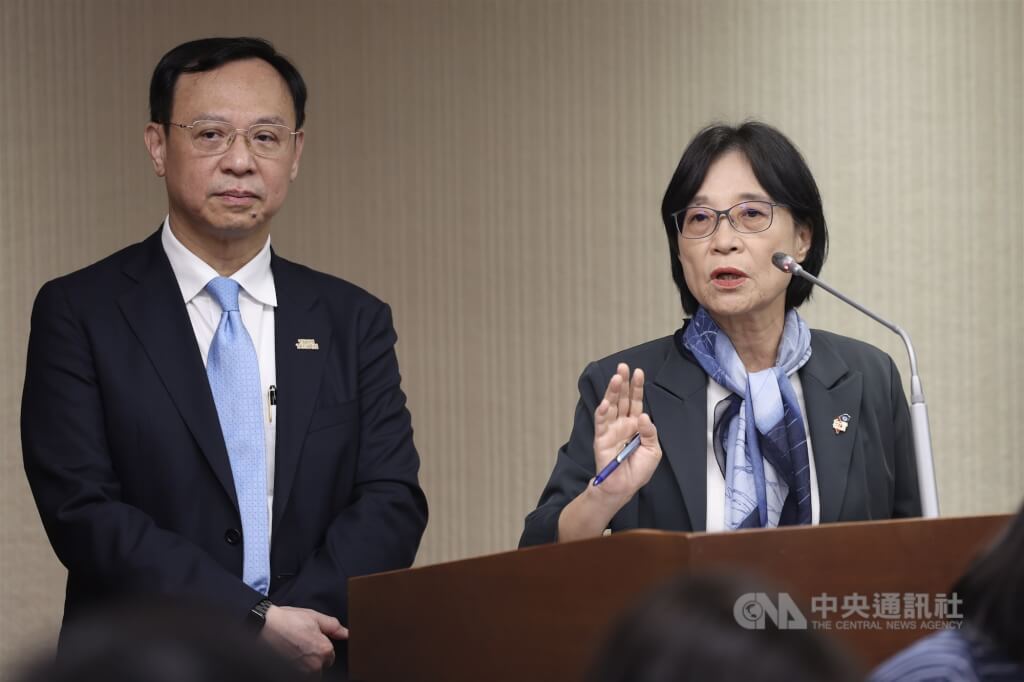
This morning, during the Social Welfare and Environmental Hygiene Committee meeting of the Legislative Yuan, officials including Minister of Health and Welfare Shih Chung-liang and Director-General Tu Li-hua of the Animal and Plant Health Inspection Agency (APHIA) under the Ministry of Agriculture, took turns presenting special reports and answering questions on topics such as the new pet medication system. Several legislators focused on the latest progress and procedures.
Kuomintang Legislator Chen Ching-hui questioned that, according to relevant provisions of the "Pharmaceutical Affairs Act," the current system clearly defines drugs as human-use drugs, and animal medical institutions are not allowed to purchase, dispense, or supply such drugs. The Ministry of Agriculture's report also mentioned that the current Pharmaceutical Affairs Act provisions cause obstacles for veterinarians in clinical practice. She asked if the Ministry of Health and Welfare would amend the Pharmaceutical Affairs Act.
Kuomintang Legislator Liao Wei-hsiang also mentioned that discussions on relevant regulations have lasted for over 10 years, and the Ministry of Agriculture's promotion of related systems can be described as "administrative negligence" and "administrative incompetence." This incident has caused numerous problems, not only unsettling pet owners but also leading to complaints from the public. The original plan to invite veterinarians, pharmacists, and other related groups to jointly hold a pet carnival has seen cooperation between groups fracture, even becoming "enemies" due to this controversy.
Shih Chung-liang responded, "My opinion is that it is not appropriate (to amend the Pharmaceutical Affairs Act)." The Animal Protection Act clearly states that human drugs can only supplement animal drugs when animal drugs are insufficient. This is a分流 (diversion) design. All regulations in the Pharmaceutical Affairs Act are for human drugs. "Using human drugs for animals is only a last resort." If animal drugs are insufficient, it should revert to the Animal Protection Act.
Tu Li-hua, Director-General of APHIA, Ministry of Agriculture, stated that the current system causes inconvenience for veterinarians in emergency, nighttime, or rural settings in obtaining drugs. To address this, the Ministry of Agriculture has compiled opinions from various sectors. The original plan was to change the approval system for human drugs used in animals to a notification system, and to study drug preparation mechanisms and simplify labeling procedures to enhance drug supply flexibility.
Tu Li-hua said that after review, the policy direction has shifted to "revoking the original management regulations" and re-establishing a new system that is more aligned with clinical needs. Relevant official documents are currently being processed and will be announced soon. She also pointed out that in the future, a dual supply model involving drug manufacturers and pharmacies will be adopted, and continuous review will be conducted. (Editor: Chen Ching-fang) 1150415
Stand with the facts, your sponsorship is the power to protect press freedom.
Download CNA's "First-hand News" APP to stay updated with the latest news.
The text, images, and videos on this website may not be reproduced, publicly broadcast, publicly transmitted, or utilized without authorization.
FACT BOX
- Source: CNA (Central News Agency)
- Category: regulation