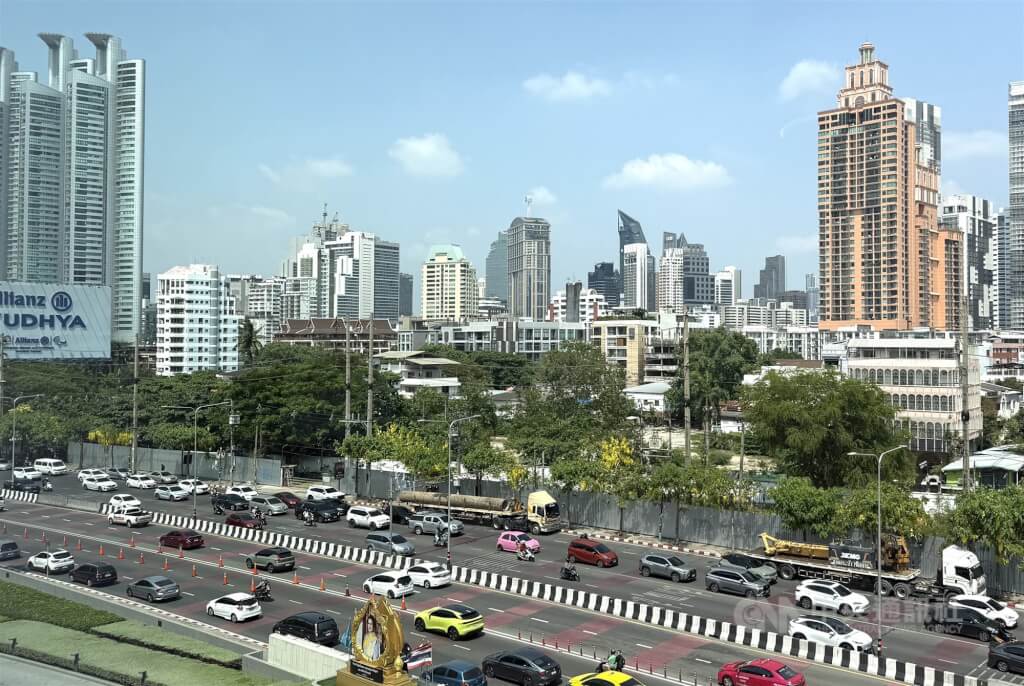
Middle East War Shocks Southeast Asia, Pushing Up Food and Transportation Prices
As the Middle East war disrupts oil supplies, consumers in Southeast Asian countries like Singapore and Thailand are facing pressure from rising food and fuel prices. This trend could curb consumer spending and deal a blow to the region's economies. Ride-hailing giant Grab raised its fuel surcharge, and diesel prices in Thailand have surged by 67%.
📋 Article Processing Timeline
- 📰 Published: April 13, 2026 at 15:32
- 🔍 Collected: April 13, 2026 at 16:01 (28 min after Published)
- 🤖 AI Analyzed: April 14, 2026 at 20:07 (28h 5m after Collected)
(Central News Agency, Bangkok/Singapore/Hanoi, 13th) As the war in the Middle East impacts oil supplies, consumers in Southeast Asian countries such as Singapore and Thailand are facing the pressure of rising food and fuel prices. This trend could potentially curb consumer spending and deal a blow to the Southeast Asian economy.
Nikkei Asia reported that ride-hailing leader Grab Holdings raised its fuel surcharge for the local Singapore market on the 7th of this month, increasing it from S$0.50 to S$0.90 (approximately NT$22) per trip until the end of May. These fees will be allocated to the drivers. Grab is also considering imposing a surcharge in Thailand.
Ferries from Singapore to Batam, Indonesia, have started adding a S$6 fuel surcharge. In Vietnam, the state-owned Vietnam Railways increased passenger fares by 3% on the 5th to reflect the rise in diesel prices; combined with the March fare hike, ticket prices are now 10% higher than before the war.
Southeast Asian countries import most of their crude oil from the Middle East, and the de facto blockade of the Strait of Hormuz has caused prices of crude oil refined products like naphtha to climb. Because Southeast Asia has more limited oil reserves compared to advanced Asian economies like Japan and South Korea, the impact on people's daily lives is more direct.
Since the outbreak of the war in the Middle East, diesel prices in Thailand have surged by 67%, reaching 50 baht per liter as of the 8th of this month, believed to be a first in history.
A 45-year-old man refueling at a gas station run by the state-owned PTT Oil and Retail Business in a Bangkok suburb said, 'I've never seen gas prices this high. It's too much of a burden, I can barely hold on.'
Recently, diesel prices have soared by about 140% in the Philippines, 110% in Vietnam, about 100% in Malaysia, and 67% in Singapore. Prices in Indonesia have remained stable due to fuel subsidies.
Kenichi Shimomura, head of the Asia-Japan practice at Roland Berger and an expert on Southeast Asian economies, said, 'Rising fuel prices will lead to a decrease in real disposable income, which in turn will suppress overall consumption. This situation may be particularly pronounced in countries like Thailand and Vietnam that rely on cars and motorcycles.'
Although the US and Iran have agreed to a temporary ceasefire, ship traffic through the Strait of Hormuz remains sparse, and the repair of energy facilities is expected to take time. If oil prices remain high, they could continue to affect consumer spending and corporate profits in Southeast Asia, thereby dragging down the region's economy.
The war has also impacted agriculture. Southeast Asia is highly dependent on the Middle East for urea, a fertilizer derived from natural gas. In Malaysia, the price of compound fertilizer for rice paddies has increased by 22%. Transportation costs and the cost of livestock feed such as corn have also climbed.
According to data from Thailand's Department of Internal Trade, the average price of pork in Thailand has reached 165 baht per kilogram over the past week, 8% higher than before the war. Due to increased demand for crude oil substitutes, chicken prices have risen by 3%, eggs by 9%, and palm oil by 8%.
Beverage manufacturers are also coping with increased energy and transportation costs. Vietnamese media reported that Hanoi Beer Alcohol and Beverage (Habeco) has raised its daily beer shipment price by 5% to 7%, the largest increase in three years. This is undoubtedly a direct blow to the many lovers of Vietnam's popular and affordable Bia Hoi draft beer. (Compiled by Chang Hsiao-wen) 1150413
Nikkei Asia reported that ride-hailing leader Grab Holdings raised its fuel surcharge for the local Singapore market on the 7th of this month, increasing it from S$0.50 to S$0.90 (approximately NT$22) per trip until the end of May. These fees will be allocated to the drivers. Grab is also considering imposing a surcharge in Thailand.
Ferries from Singapore to Batam, Indonesia, have started adding a S$6 fuel surcharge. In Vietnam, the state-owned Vietnam Railways increased passenger fares by 3% on the 5th to reflect the rise in diesel prices; combined with the March fare hike, ticket prices are now 10% higher than before the war.
Southeast Asian countries import most of their crude oil from the Middle East, and the de facto blockade of the Strait of Hormuz has caused prices of crude oil refined products like naphtha to climb. Because Southeast Asia has more limited oil reserves compared to advanced Asian economies like Japan and South Korea, the impact on people's daily lives is more direct.
Since the outbreak of the war in the Middle East, diesel prices in Thailand have surged by 67%, reaching 50 baht per liter as of the 8th of this month, believed to be a first in history.
A 45-year-old man refueling at a gas station run by the state-owned PTT Oil and Retail Business in a Bangkok suburb said, 'I've never seen gas prices this high. It's too much of a burden, I can barely hold on.'
Recently, diesel prices have soared by about 140% in the Philippines, 110% in Vietnam, about 100% in Malaysia, and 67% in Singapore. Prices in Indonesia have remained stable due to fuel subsidies.
Kenichi Shimomura, head of the Asia-Japan practice at Roland Berger and an expert on Southeast Asian economies, said, 'Rising fuel prices will lead to a decrease in real disposable income, which in turn will suppress overall consumption. This situation may be particularly pronounced in countries like Thailand and Vietnam that rely on cars and motorcycles.'
Although the US and Iran have agreed to a temporary ceasefire, ship traffic through the Strait of Hormuz remains sparse, and the repair of energy facilities is expected to take time. If oil prices remain high, they could continue to affect consumer spending and corporate profits in Southeast Asia, thereby dragging down the region's economy.
The war has also impacted agriculture. Southeast Asia is highly dependent on the Middle East for urea, a fertilizer derived from natural gas. In Malaysia, the price of compound fertilizer for rice paddies has increased by 22%. Transportation costs and the cost of livestock feed such as corn have also climbed.
According to data from Thailand's Department of Internal Trade, the average price of pork in Thailand has reached 165 baht per kilogram over the past week, 8% higher than before the war. Due to increased demand for crude oil substitutes, chicken prices have risen by 3%, eggs by 9%, and palm oil by 8%.
Beverage manufacturers are also coping with increased energy and transportation costs. Vietnamese media reported that Hanoi Beer Alcohol and Beverage (Habeco) has raised its daily beer shipment price by 5% to 7%, the largest increase in three years. This is undoubtedly a direct blow to the many lovers of Vietnam's popular and affordable Bia Hoi draft beer. (Compiled by Chang Hsiao-wen) 1150413
FAQ
What is the main economic impact of the Middle East war on Southeast Asia?
The main impact is widespread price increases for fuel and food due to disruptions in oil supply. For example, diesel prices in Thailand rose by 67%, and train fares in Vietnam increased by 10%, raising costs for consumers and businesses, which could suppress consumption and drag down economic growth.
Which specific product prices have been affected?
Affected products include fuel (diesel, fuel surcharges), agricultural goods (pork, chicken, eggs, palm oil), fertilizers (urea), and beverages (beer).