Drawing Lessons from the Hormuz Crisis: Geopolitical Risks in the Strait of Malacca Become the Focus
As the US-Iran standoff in the Strait of Hormuz shocks global energy supply chains, concerns arise over Asia's critical choke point, the Strait of Malacca, prompting the US to bolster its surveillance in the region.
📋 Article Processing Timeline
- 📰 Published: April 18, 2026 at 12:18
- 🔍 Collected: April 18, 2026 at 12:31 (12 min after Published)
- 🤖 AI Analyzed: April 18, 2026 at 21:31 (8h 59m after Collected)
Iran-US War Focus News
Central News Agency
(CNA, Washington, 17th, Comprehensive Foreign Report) The standoff and blockade between Iran and the US in the Strait of Hormuz are impacting the global energy supply chain, reigniting anxieties over the fate of Asia's key strategic choke point, the Strait of Malacca. Reports suggest the US may be seeking to enhance its surveillance capabilities over the Strait of Malacca.
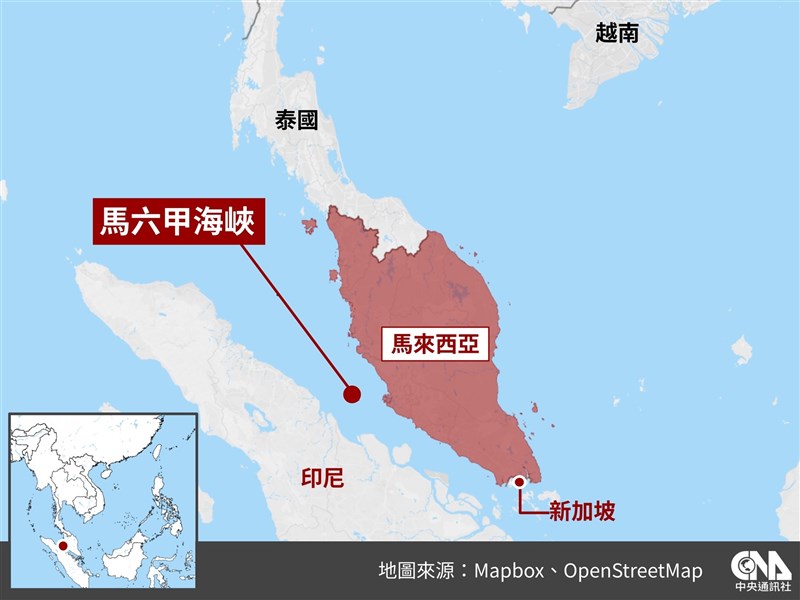
According to Bloomberg News, the Strait of Malacca, located between Indonesia, Malaysia, and Singapore, connects the Indian and Pacific Oceans. Its narrowest shipping lane is only about 2.7 kilometers wide, about one-tenth the width of the narrowest part of the Strait of Hormuz.
Approximately 40% of global trade passes through the Strait of Malacca, including the vast majority of oil flowing from the Middle East to Asian economic powerhouses like China, Japan, and South Korea.
The Strait of Malacca is patrolled by the US Navy's 7th Fleet and has long been viewed by Chinese leadership as a weak link in war scenarios. The term "Malacca Dilemma" became widely known during Hu Jintao's tenure as Chinese President in the early 2000s. Today, territorial disputes, China's growing overseas military projection capabilities, and the unpredictable nature of US President Trump complicate the situation further.
The Strait of Malacca and its surrounding waters have been a crucial area for Iran's "dark fleet" to transfer oil to other vessels to disguise oil sales to Asian countries, primarily China.
Chuin Wei Yap, International Trade Research Program Director at the Hinrich Foundation in Singapore, said: "While I wouldn't point to any clear and present danger in the Strait of Malacca right now, anyone concerned about maritime choke points being weaponized should think ahead about how to handle geopolitical vulnerability. What seems impossible now shouldn't be treated as something that will never happen."
As the Strait of Hormuz has been closed in recent weeks, tensions in Southeast Asia are also escalating. Singapore strongly opposes negotiating transit fees with Iran for the Strait of Hormuz; Malaysia defends its own negotiations with Iran; while Indonesian President Prabowo Subianto emphasized that Indonesia's proximity to the Strait of Malacca is its geopolitical advantage, while simultaneously deepening military cooperation with the US.
India's Dainik Bhaskar English news website reported this week that with extreme tension in the Strait of Hormuz, the US is tightening restrictions on the activities of Iran-linked vessels in the area. Meanwhile, the US and Indonesia signed a new defense pact on the 13th.
Under this agreement, US military aircraft will have more convenient access to Indonesian airspace. Officials describe this as helping promote cooperation between the two countries, but the timing has raised outside questions. It is believed the US may be seeking to strengthen its surveillance of the Strait of Malacca.
Following the signing of the US-Indonesia agreement, experts believe the US is advancing a broader strategy to ensure the security of critical sea lanes in the Indo-Pacific region. US analysts and former military personnel point out that Washington is reinforcing deployments around key global choke points.
According to the South China Morning Post, Indonesian Foreign Ministry spokesperson Yvonne Mewengkang stated on the 15th that Indonesia has no policy allowing foreign nations unrestricted access to its airspace, and the US proposal is still under internal review. She added that any cooperation with the US will continue to follow Indonesian national mechanisms and procedures.
Central News Agency
(CNA, Washington, 17th, Comprehensive Foreign Report) The standoff and blockade between Iran and the US in the Strait of Hormuz are impacting the global energy supply chain, reigniting anxieties over the fate of Asia's key strategic choke point, the Strait of Malacca. Reports suggest the US may be seeking to enhance its surveillance capabilities over the Strait of Malacca.
According to Bloomberg News, the Strait of Malacca, located between Indonesia, Malaysia, and Singapore, connects the Indian and Pacific Oceans. Its narrowest shipping lane is only about 2.7 kilometers wide, about one-tenth the width of the narrowest part of the Strait of Hormuz.
Approximately 40% of global trade passes through the Strait of Malacca, including the vast majority of oil flowing from the Middle East to Asian economic powerhouses like China, Japan, and South Korea.
The Strait of Malacca is patrolled by the US Navy's 7th Fleet and has long been viewed by Chinese leadership as a weak link in war scenarios. The term "Malacca Dilemma" became widely known during Hu Jintao's tenure as Chinese President in the early 2000s. Today, territorial disputes, China's growing overseas military projection capabilities, and the unpredictable nature of US President Trump complicate the situation further.
The Strait of Malacca and its surrounding waters have been a crucial area for Iran's "dark fleet" to transfer oil to other vessels to disguise oil sales to Asian countries, primarily China.
Chuin Wei Yap, International Trade Research Program Director at the Hinrich Foundation in Singapore, said: "While I wouldn't point to any clear and present danger in the Strait of Malacca right now, anyone concerned about maritime choke points being weaponized should think ahead about how to handle geopolitical vulnerability. What seems impossible now shouldn't be treated as something that will never happen."
As the Strait of Hormuz has been closed in recent weeks, tensions in Southeast Asia are also escalating. Singapore strongly opposes negotiating transit fees with Iran for the Strait of Hormuz; Malaysia defends its own negotiations with Iran; while Indonesian President Prabowo Subianto emphasized that Indonesia's proximity to the Strait of Malacca is its geopolitical advantage, while simultaneously deepening military cooperation with the US.
India's Dainik Bhaskar English news website reported this week that with extreme tension in the Strait of Hormuz, the US is tightening restrictions on the activities of Iran-linked vessels in the area. Meanwhile, the US and Indonesia signed a new defense pact on the 13th.
Under this agreement, US military aircraft will have more convenient access to Indonesian airspace. Officials describe this as helping promote cooperation between the two countries, but the timing has raised outside questions. It is believed the US may be seeking to strengthen its surveillance of the Strait of Malacca.
Following the signing of the US-Indonesia agreement, experts believe the US is advancing a broader strategy to ensure the security of critical sea lanes in the Indo-Pacific region. US analysts and former military personnel point out that Washington is reinforcing deployments around key global choke points.
According to the South China Morning Post, Indonesian Foreign Ministry spokesperson Yvonne Mewengkang stated on the 15th that Indonesia has no policy allowing foreign nations unrestricted access to its airspace, and the US proposal is still under internal review. She added that any cooperation with the US will continue to follow Indonesian national mechanisms and procedures.