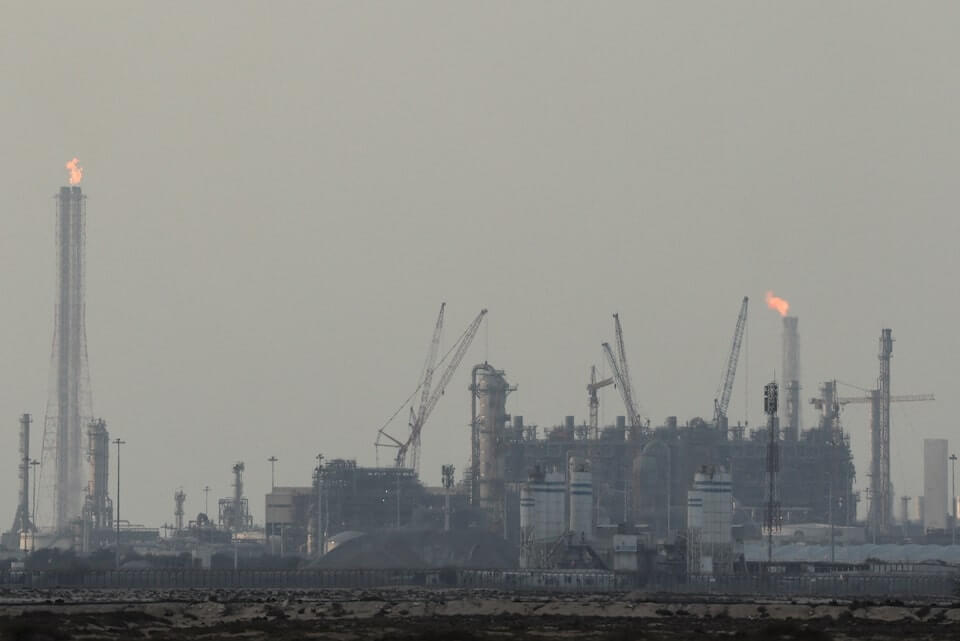
On April 14, 2026, International Energy Agency (IEA) Executive Director Fatih Birol stated that the Middle East war will cause the international energy market and economic situation in April to be more severe than in March. Birol observed that regional cargo for March was loaded before the crisis, but no cargo was loaded in April. He commented after an International Monetary Fund (IMF) meeting that extended disruption will worsen problems. Birol met with IMF Managing Director Kristalina Georgieva and World Bank President Ajay Banga. The World Bank, IMF, and various nations established a new working group to address the war's economic impact; the meeting was part of its consultations. Birol reported that the IEA is closely monitoring regional energy facilities, with over one-third of more than 80 affected facilities suffering severe damage. He reiterated the global challenge of energy security, emphasizing that no country is immune. Georgieva stated the necessity of fully understanding the extent of infrastructure damage from the war. Banga indicated that relevant agencies are preparing by simulating scenarios based on the war's duration and severity. Previously, the IMF prepared $50 billion in financing aid, and the World Bank stated readiness to commit up to $25 billion. Banga added that if hostilities persist, the World Bank could deploy up to $60 billion over the next six months.
FACT BOX
- Source: CNA (Central News Agency)
- Category: Taiwan