US-Iran War Key News
(Central News Agency, Taipei, 13th) European airport operators warn that if the Strait of Hormuz cannot be fully reopened within three weeks, it will cause a shortage of aviation fuel, leading to disruptions in air travel convenience and economic impact. Ireland announced fuel tax cuts for gasoline and diesel; Southeast Asian residents face rising food and transportation prices.
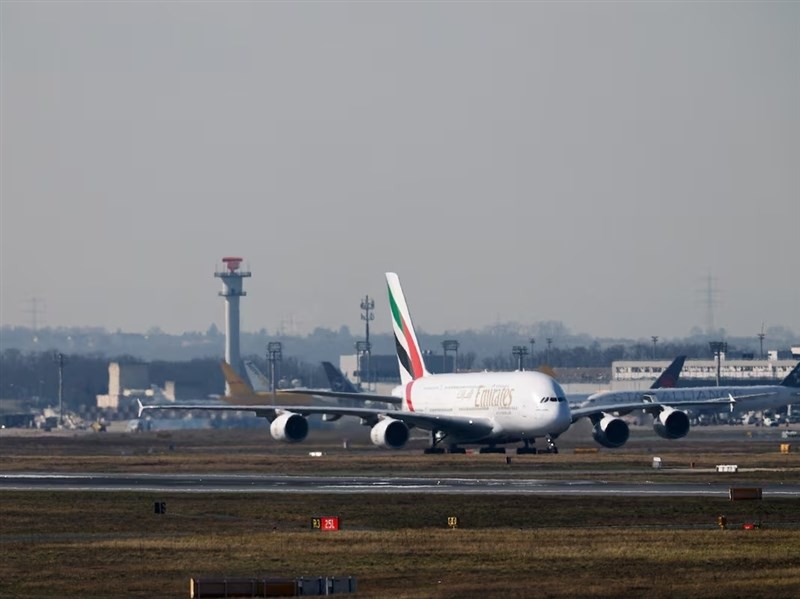
●European Airport Industry: Systemic Shortage of Aviation Fuel Feared Within 3 Weeks
ACI Europe, representing member airports handling over 95% of commercial air traffic in Europe, stated that as aviation fuel reserves decline, 'military activity impacts supply and demand,' exacerbating the problem.
ACI Europe warned Apostolos Tzitzikostas, the European Commissioner for Transport, that the airport industry is increasingly concerned about aviation fuel supply disruptions, emphasizing the need for the EU to proactively monitor and take action.
The letter stated: 'If passage through the Strait of Hormuz cannot be significantly and stably restored within the next three weeks, a systemic aviation fuel shortage in the EU will become a reality.' It also reminded that with the summer travel season approaching, many EU economies rely on air travel to support the entire tourism ecosystem.
●Oil Price Surge Triggers Protests, Ireland Announces Fuel Tax Cuts
Facing surging oil prices caused by the Middle East war, Irish freight operators and agricultural contractors launched a series of demonstrations starting on the 7th. After a cabinet meeting, the Irish government announced fuel tax cuts for gasoline and diesel.
Irish Finance Minister Simon Harris stated at a press conference: 'The government has heard your voices. We have taken action, and we will take further measures today.' Related measures include a 10 euro cent tax cut per liter for diesel and gasoline; the carbon tax increase originally scheduled for May has also been postponed to the October budget.
●Middle East War Impacts Southeast Asia, Food and Transportation Prices Soar
Grab, the leading ride-hailing platform in Southeast Asia, increased its fuel surcharge for the Singapore market on the 7th of this month, from 0.50 Singapore dollars per trip to 0.90 Singapore dollars (approximately 22 New Taiwan dollars) per trip until the end of May. These fees will be allocated to drivers. Grab is also considering imposing surcharges in Thailand.
Ferries traveling between Singapore and Batam Island, Indonesia, have begun to levy an additional 6 Singapore dollar fuel surcharge. In Vietnam, the state-owned Vietnam Railways increased passenger fares by 3% on the 5th to reflect rising diesel prices; coupled with the fare increase in March, current ticket prices are now 10% higher than before the US-Iran war.
Thai diesel prices have surged by 67%, reaching 50 Thai baht per liter as of the 8th of this month, believed to be the first time it has reached this price. Recently, diesel prices in the Philippines have soared by about 140%, in Vietnam by 110%, in Malaysia by about 100%, and in Singapore by 67%. Prices in Indonesia remain stable due to fuel subsidies.
According to data from the Thai Department of Internal Trade, pork prices rose to an average of 165 Thai baht per kilogram in the past week, 8% higher than before the war. Demand for crude oil substitutes has increased, with chicken prices rising by 3%, egg prices by 9%, and palm oil by 8%. (Compiler: Hung Chi-yuan) 1150413
Choose to stand with facts, every sponsorship you make is a force to protect press freedom.
Download the Central News Agency 'First-hand News' APP to stay updated with the latest news.
The text, images, and videos on this website may not be reproduced, publicly broadcast, or publicly transmitted and used without authorization.
FACT BOX
- Source: CNA (Central News Agency)
- Category: financial