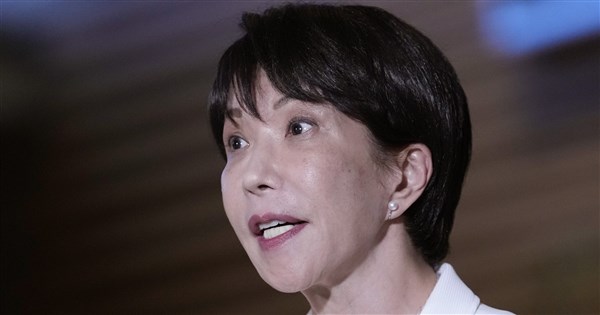
According to a Bloomberg report citing informed sources, Japanese Prime Minister Sanae Takaichi is reluctant to meet with Chinese President Xi Jinping during the upcoming APEC summit in November. The reluctance stems from her dissatisfaction with personal attacks launched by China against her. This diplomatic friction occurs as China increases pressure on Japan through restricted exports of critical minerals.
Reports indicate that China's exports of tungsten-related products to Japan have nearly ceased this year, while shipments of rare earth magnets in May reached their lowest level since May 2025. These export controls followed PM Takaichi's remarks regarding 'contingencies in Taiwan' in November 2025. Analysts suggest these measures are calculated to pressure Japan without triggering severe countermeasures from the United States. While less comprehensive than the 2010 restrictions, these actions have forced Japanese firms to deplete inventories and seek alternative supply chains.
Sumitomo Electric Industries Chairman Masayoshi Matsumoto noted at the China Chain Expo that while dialogue is essential for Japanese manufacturing, the ongoing diplomatic impasse remains a significant concern. Despite the economic pressure, PM Takaichi remains firm in her position. While both leaders are expected to attend the APEC Shenzhen summit on November 18-19, it remains unclear if Beijing intends to arrange a bilateral meeting. Official diplomatic channels have also faced challenges, with reports of Japanese embassy requests for meetings with the Chinese Foreign Ministry going unanswered throughout the year.
Following the G7 summit last week, member nations reached a consensus to reduce reliance on single non-G7 sources for critical materials. The group aims to cut dependency on non-G7 rare earths and permanent magnets to below 60% by 2030, a policy largely viewed as a strategic move to de-risk from China.
FACT BOX
- Source: CNA (Central News Agency)
- Category: International Politics & Supply Chain