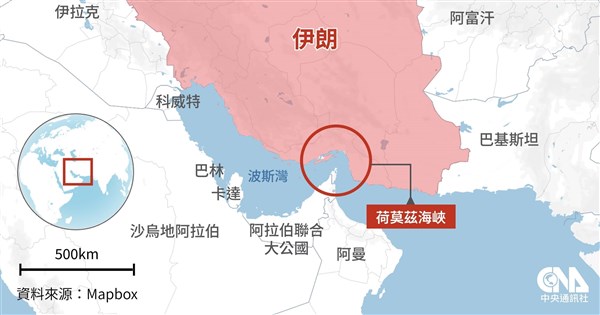
Following the US-Iran ceasefire, both nations have committed to reopening the Strait of Hormuz, a vital artery for global oil and gas transport. However, returning shipping traffic to pre-war levels faces significant hurdles.
Prediction market Kalshi estimates a 51% probability of shipping normalization by August 1, rising to 68% by September 1. The recovery is hindered by five major challenges:
1. De-mining operations: Iran is widely believed to have deployed mines in key shipping lanes. Although the 14-point agreement mandates their removal, the process is expected to take several weeks.
2. Security and violence: Despite the April 8 ceasefire, the region remains volatile. The International Maritime Organization (IMO) reports that the conflict has resulted in at least 14 crew fatalities and 46 incidents of vessel damage.
3. Governance and coordination: Under the 14-point agreement, Iran and Oman are tasked with coordinating with other Gulf states to define future management mechanisms. Organizations like BIMCO emphasize the need for a neutral body or UN-affiliated oversight to manage vessel transit.
4. Uncertainty over transit fees: The legality of potential transit fees remains disputed. The 60-day exemption period in the US-Iran deal is nearing its end. Shipowners fear that paying fees to Iran could lead to US sanctions, while major energy firms remain strictly opposed to such payments.
5. Infrastructure and production recovery: Physical damage to oil and gas fields, estimated at $42 billion, significantly restricts trade volume. Rystad Energy projects that output will only reach 85-90% of pre-war levels by Q4, with full recovery not expected until January 2027.
FACT BOX
- Source: CNA (Central News Agency)
- Category: International Geopolitics / Maritime Logistics