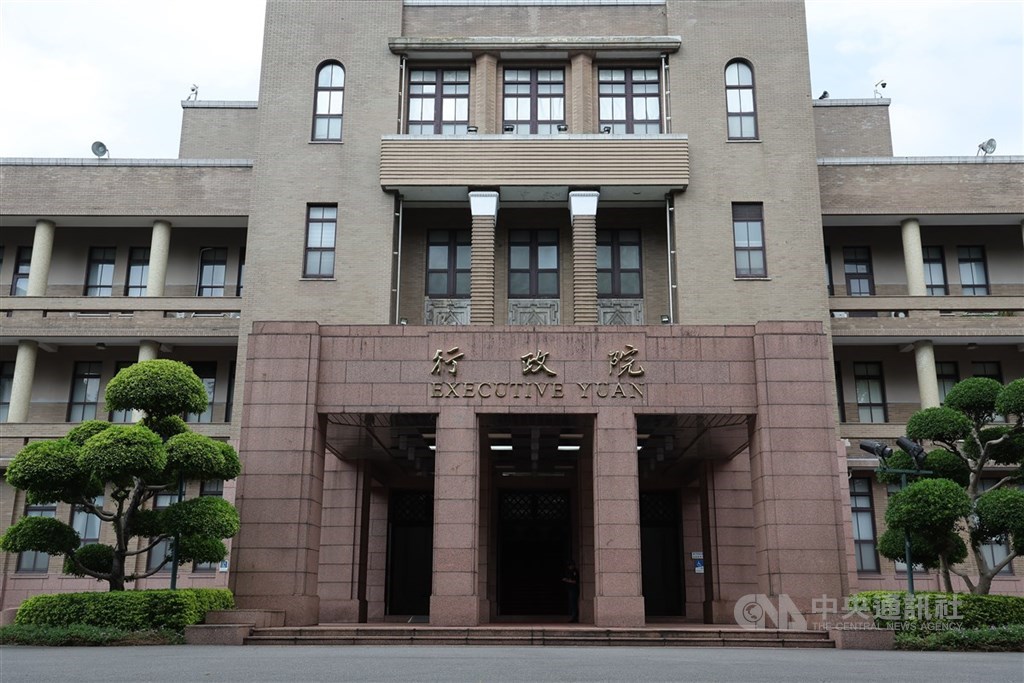
According to Central News Agency, etomidate-related substances were classified as Class I narcotics today, with manufacturing, trafficking, or transportation punishable by death. Tomorrow, the Executive Yuan will pass a new round of legal amendments to strengthen anti-drug and drugged driving prevention. Under the proposed changes, anyone caught driving under the influence of drugs or refusing a drug test will have their driver's license revoked and will be barred from reapplying for three years. If drugged driving results in serious injury or death, the offender will be banned from obtaining a license for life.
Additionally, the amendments introduce a preventive license revocation mechanism: anyone confirmed by police to have used drugs will have their license revoked for two years, regardless of whether they were driving. Reoffending during the revocation period will result in harsher penalties. The draft also introduces shared liability for passengers riding with a drugged driver.
To strengthen anti-drug enforcement, the Executive Yuan recently approved 14 countermeasures focusing on source deterrence, enhanced law enforcement, and stricter penalties for drugged driving. Following recent amendments to Article 185-3 of the Criminal Code to increase penalties for drugged driving, this new legislative package includes legalizing saliva rapid testing, strengthening penalties for drugged driving and test refusal, and establishing preventive license suspension for drug users.
The Executive Yuan will deliberate and pass amendments to the 'Road Traffic Management Penalty Act,' which will mandate license revocation and a three-year reapplication ban for drugged driving or refusal to undergo testing. Vehicles involved, regardless of ownership, will be confiscated. In cases resulting in serious injury or death, lifetime license ineligibility will be imposed.
Moreover, the draft establishes a preventive license revocation system: anyone confirmed by police to have used drugs will have their license revoked for two years and will be barred from reapplying. Reoffending during the suspension period will incur enhanced penalties. The bill also adds penalties for passengers in vehicles driven by someone under the influence of drugs.
Separately, amendments to Articles 33 and 36 of the 'Drug Hazard Prevention and Control Act' will legalize testing methods, expanding current provisions that limit testing of specific personnel to urine samples, to now include saliva testing. This aims to enhance the effectiveness of drug control enforcement. Both draft amendments will be submitted to the Legislative Yuan for review.
FACT BOX
- Source: CNA (Central News Agency)
- Category: Taiwan