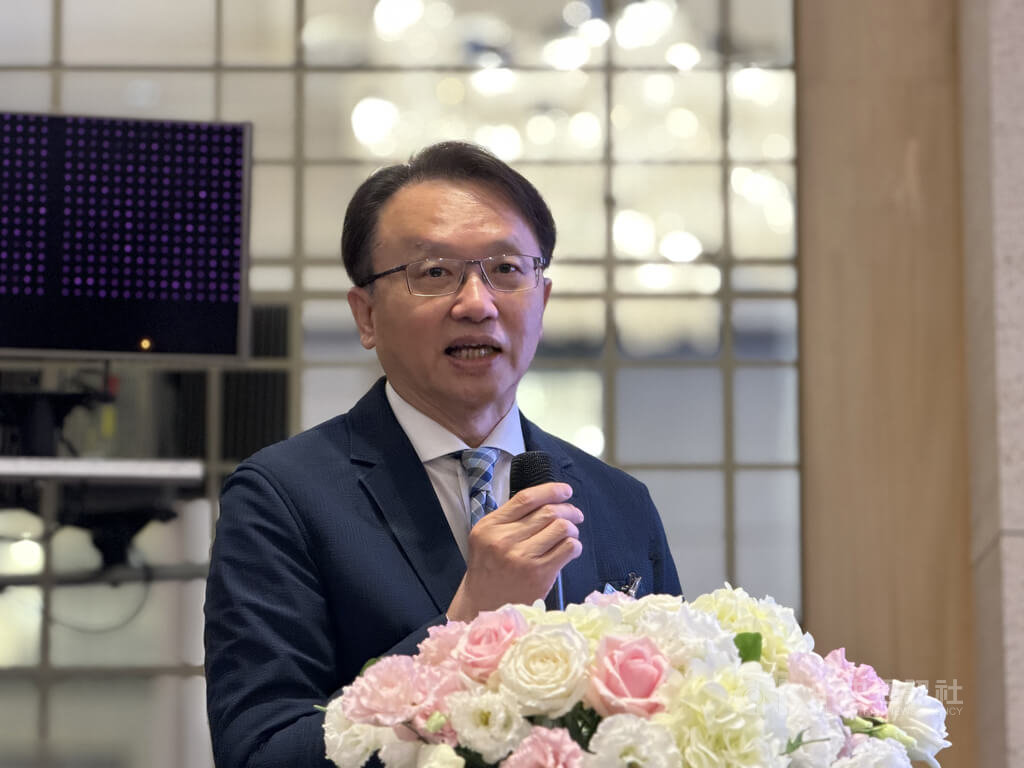
According to Central News Agency reporter Wu Chia-Hao in Taipei, Acer Chairman Jason Chen stated today that the company's inventory level has increased from over NT$70 billion at the end of the first quarter to over NT$80 billion currently, approaching a historical high. The vast majority of this inventory consists of key components such as memory, while finished goods inventory remains at a normal level of 6 to 8 weeks, which Chen described as 'good inventory'.
Chen spoke at the June meeting of the Sanyi Business Exchange Association, delivering a speech titled 'From Globalization to Internationalization' and later addressing media inquiries.
Regarding concerns about inventory's potential impact on gross margins, Chen explained that most of Acer's current component inventory was acquired at lower costs before price increases—what he called 'low-cost inventory.' In contrast, finished goods carry higher risks of depreciation. Acer is strictly managing sales promotion and pricing strategies internally to ensure smooth inventory turnover while maintaining profitability.
On the overall personal computer (PC) market supply and demand, Chen noted that price increases for key components such as memory and central processing units (CPUs) have begun to slow, though there is no sign of prices declining yet.
Chen analyzed market reactions to memory price hikes into three categories: some customers have rigid demand and must purchase despite higher prices; over half of customers choose to 'downgrade' by reducing specifications within the same budget; and a third group delays purchases. While overall shipment volumes may decline, higher average selling prices mean total revenue is expected to remain strong.
On the current surge in interest around AI PCs and x86 architecture processors, Chen expressed a positive and open attitude. He emphasized that Acer welcomes new competitors entering the PC processor industry, believing this will bring new momentum and spark further innovation.
Regarding the listing progress of Acer's subsidiaries, Chen revealed that 17 companies under the group are already publicly listed, with around 10 more in incubation and preparing for filings or listings in the near future.
Chen stressed that Acer's pace of listing subsidiaries will not slow in the foreseeable future. The goal is to allow subsidiaries to demonstrate core competitiveness in their respective fields with full autonomy, thereby enhancing group-wide synergies.
When asked whether Taiwan's central bank should raise interest rates or maintain the status quo to combat inflation, Chen noted that both the European and Japanese central banks have already done so, and with U.S. CPI annual growth exceeding 3.3%, Acer is closely monitoring the Federal Reserve's interest rate decisions, which will be a key indicator driving macroeconomic changes.
FACT BOX
- Source: CNA (Central News Agency)
- Category: Taiwan
- Products / services: AI PC