(Central News Agency reporter Huang Chiao-wen, Taipei, June 17) The turnover rate of staff and hired personnel at Taiwan's Civil Aeronautics Administration (CAA) has risen from 11.78% to 13.67% over the past three years, while the attrition rate among air traffic controller trainees has reached 21.54%. The CAA announced today that it is reviewing and seeking improvements in salaries and manpower, while strengthening recruitment promotion to attract talent into the aviation sector.
The Transportation Committee of the Legislative Yuan today reviewed the 2026 (fiscal year 115) central government budget proposal, specifically the budget for the Ministry of Transportation and Communications' Civil Aeronautics Administration. Democratic Progressive Party (DPP) legislator Lin Chun-hsien pointed out that from 2023 to 2025 (fiscal years 112–114), the number of departing staff and hired personnel at the CAA increased from 43 to 51, with the turnover rate rising from 11.78% to 13.67%. In 2025 (fiscal year 114), the turnover rate for general administrative staff reached as high as 28.85%.
The proposal further analyzed turnover by personnel category. Over the past five years, 20 aviation safety and regulatory personnel have retired upon reaching retirement age. Additionally, the competitive salaries offered by private aviation companies have become a major pull factor. During this year’s recruitment drive, the CAA planned to hire seven people but ultimately hired only two. Airport engineering personnel face similar challenges, as higher industry salaries make job offer acceptance and retention rates lower.
Legislators have urged the CAA to actively push for salary adjustments and propose effective hiring strategies, requiring a written report within three months.
Additionally, DPP legislator Chen Su-yueh highlighted the difficulty in training air traffic controllers in Taiwan, noting that staffing levels have long been under saturated pressure. Although the Civil Aviation Fund has invested heavily in training aviation technicians—such as through the Civil Aviation Training Institute, which oversees personnel development—the training process is lengthy, from recruitment to full operational duty. According to 2025 (fiscal year 114) statistics, the attrition rate during training for air traffic controllers is as high as 21.54%. In other words, one in five trainees who pass the national examination fail to meet performance standards during training.
The proposal warned that with international flight volumes surging post-pandemic and the completion of Terminal 3 at Taoyuan International Airport approaching, if current training output cannot keep pace with turnover and retirement trends, overwork among current staff will intensify, posing a serious threat to Taiwan’s flight safety and national gateway image. The CAA is therefore required to compile statistics on training completion rates over the past five years, study ways to improve training methods to reduce attrition, and submit a written report to the Legislative Yuan’s Transportation Committee within three months.
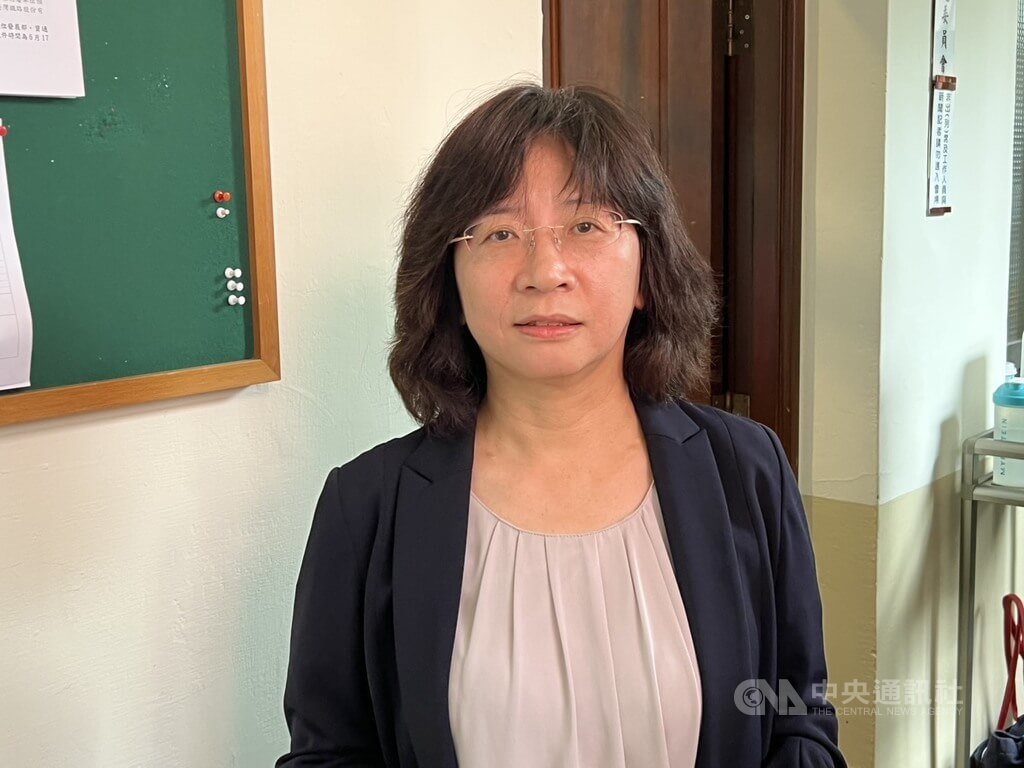
CAA Director-General Ho Shu-ping, in a media interview, acknowledged that the post-pandemic environment has changed and that the agency has been aware of rising turnover rates over the past two to three years. She stated that the CAA has been continuously discussing the issue with personnel departments and reviewing overall systems.
Regarding the salary gap between the CAA and airlines, Ho noted that the CAA’s work is unique, with certain roles directly related to air traffic control or airline oversight, requiring qualifications such as pilot or co-pilot certification—“personnel who can actually fly or perform maintenance work.” However, she admitted that airline salary levels are indeed higher than those at the CAA, and the agency continues to actively seek improvements. Air traffic controllers also receive a special allowance.
Ho added that prior to the pandemic, the CAA successfully proposed and secured approval from the Executive Yuan to add 165 new air traffic controller positions. However, some recruits left during training because the job content did not align with their expectations or personal traits, while a small number failed to meet training standards.
Ho stated that in addition to continuing to seek salary and manpower improvements, the CAA will enhance outreach to schools and the public to encourage more people to join the aviation industry. (Edited by Chang Ya-ching) 1150617
FACT BOX
- Source: CNA (Central News Agency)
- Category: Taiwan