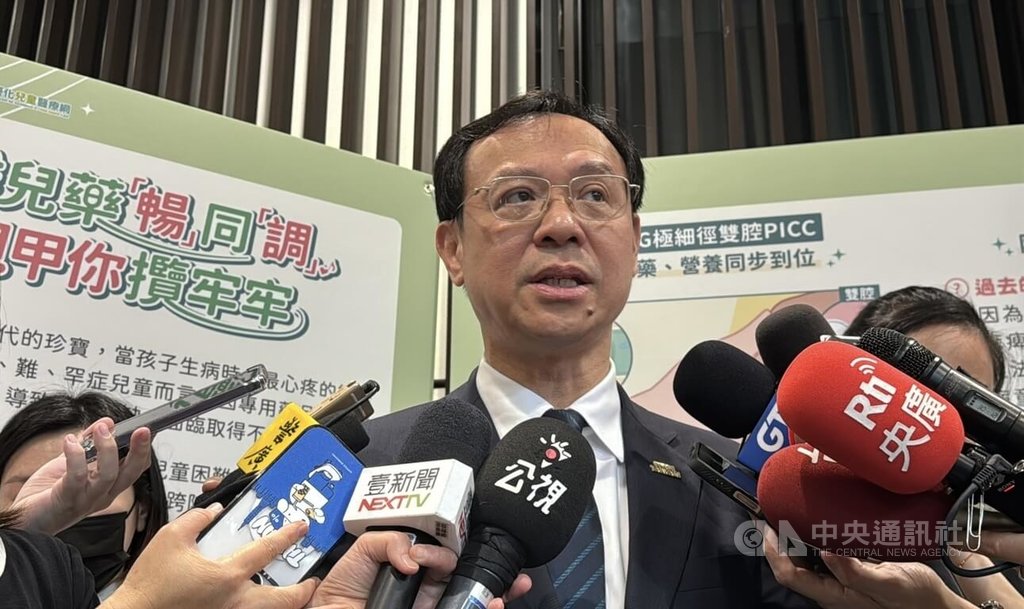
Taiwan has entered a super-aged society, and the government will invest NT$6.25 billion this year to expand services for elderly individuals living alone. Health and Welfare Minister Shih Chou-liang announced today that a comprehensive home visit survey will be completed within two years, categorizing seniors into four risk levels (Level 1 to 4) to provide tailored services such as welfare checks, meal delivery, and capacity assessments.
The Social and Family Affairs Administration of the Ministry of Health and Welfare has officially released the '115th Year Plan for Expanding Services for Elderly Living Alone.' In addition to those living alone, the plan includes four categories: those living with a spouse aged 65 or older, those whose cohabitants lack caregiving ability, and those whose direct descendants do not reside in the same county or city.
According to the Ministry's plan, elderly individuals will be classified into four levels based on risk, with varying frequencies of welfare checks. Speaking at a press conference this morning titled 'Ensuring Access to Medication for Children in Need — Holding Our Kids Close,' Minister Shih emphasized that the nationwide survey for elderly living alone has already begun.
Shih pointed out that as domestic demographic structures change, so do family structures, leading to a growing number of elderly living alone or in 'old-old mutual support' (elderly couples caring for each other). Based on civil affairs data, over 700,000 people fall into these categories. Therefore, from this year to next, NT$6.25 billion will be allocated under the 'Special Act on Strengthening Economic, Social, and Civil National Resilience in Response to International Situations' to guide local governments in expanding services for elderly living alone.
Shih stated that the Ministry will conduct a comprehensive home visit survey over the next two years to establish a care registry, classifying seniors into four levels. The frequency of welfare checks will vary: Level 4 (highest risk) will receive weekly visits, Level 3 every two weeks, Level 2 monthly, and Level 1 annually, with support adjusted dynamically based on needs.
In addition to regular welfare checks, services include meal delivery and subsidies for emergency rescue devices. Shih noted that previously, such subsidies were only available to low- and middle-income households, but under this new plan, anyone classified as Level 2 or higher will be eligible. Additionally, capacity assessments for seniors will be conducted to connect them with relevant medical or social welfare resources. (Edited by Chang Ya-ching) 1150616
FACT BOX
- Source: CNA (Central News Agency)
- Category: Taiwan