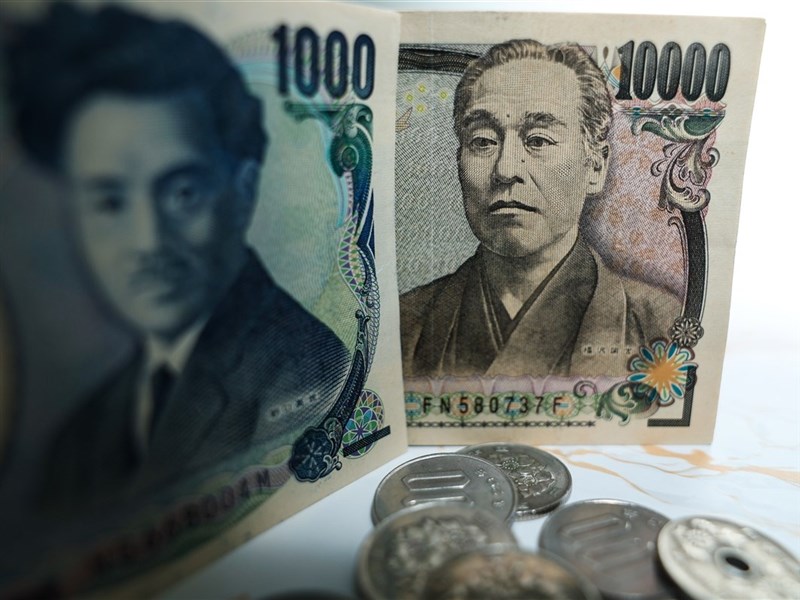
The Bank of Japan (BoJ) decided today, following its monetary policy meeting, to raise the base interest rate from approximately 0.75% to 1.0%, the highest level in 31 years since 1995. This is also the first rate hike since December last year.
According to NHK and the Nikkei, the BoJ stated that rising international oil prices due to heightened tensions in the Middle East, combined with the weakening yen, have led to increasing corporate costs. As a result, more companies are raising prices, prompting the central bank to raise rates to prevent further rapid price increases.
The post-meeting statement noted that higher energy prices have increased business costs, with many firms passing these costs on to consumers. This could further impact prices of essential goods such as food and daily necessities. The BoJ believes it is necessary to slow the pace of inflation through rate hikes. If left unchecked, price increases could exceed the BoJ's 2% inflation target.
The rate hike was decided by a vote of eight policy board members, passing 7 to 1. Governor Kazuo Ueda was absent due to hospitalization, so Deputy Governor Shinichi Uchida presided over the meeting. The sole dissenting member argued that the risks of declining production and employment outweigh inflation concerns and advocated maintaining the current interest rate.
In addition to the rate hike, the BoJ decided to halt further reductions in its government bond purchases starting April 2027. Japan has long pursued large-scale monetary easing, buying vast amounts of government bonds. Since shifting policy in 2024, the BoJ has gradually reduced its bond purchases. Under the new decision, it will maintain monthly purchases of about 2 trillion yen from April 2027 onward, aiming to stabilize the bond market and prevent excessive volatility in long-term interest rates.
The BoJ stated it will continue monitoring economic and price trends and has not ruled out further adjustments to interest rates. However, the timing and magnitude of future hikes will depend heavily on the evolution of the Middle East situation and its impact on the Japanese economy.
FACT BOX
- Source: CNA (Central News Agency)
- Category: Taiwan