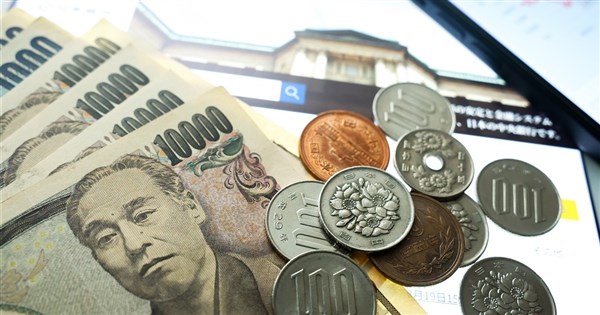
The Bank of Japan (BoJ) today raised its base interest rate by 25 basis points to 1.0%, marking the highest level since 1995. Despite the recent peace agreement between the United States and Iran, the BoJ continues to respond to inflationary pressures triggered by ongoing Middle East conflicts.
This is the first rate hike by the BoJ since December last year. It follows similar moves by the European Central Bank (ECB) and Bank Indonesia last week, both of which raised rates to counter the global economic and price impacts of the regional conflict.
With U.S. inflation reaching a three-year high, markets anticipate that the U.S. Federal Reserve (Fed) may follow with a rate hike. However, analysts believe that new Fed Chair Kevin Warsh is unlikely to act immediately during his first policy meeting this week.
Meanwhile, the Reserve Bank of Australia (RBA), which has already raised rates three times this year, and the Bank of England (BoE) are expected to hold rates steady in their upcoming meetings in the coming days.
Shigeto Nagai, Head of Japan Research at Oxford Economics, stated that the BoJ "can no longer delay rate hikes," warning that failure to act would disappoint financial markets and further exacerbate yen depreciation.
Due to Bank of Japan Governor Kazuo Ueda's hospitalization for a liver cyst infection, Deputy Governor Shinichi Uchida is expected to hold the press conference this afternoon to explain the decision.
FACT BOX
- Source: CNA (Central News Agency)
- Category: Taiwan
- Organizations: European Central Bank / Bank Indonesia / Federal Reserve