Central News Agency reports rising enterovirus activity in Taiwan. The latest epidemiological report from the Taiwan Centers for Disease Control (CDC) confirms one new severe case of enterovirus infection—a girl under five from northern Taiwan—diagnosed with acute flaccid paralysis (AFP) due to enterovirus D68. She remains hospitalized in the intensive care unit.
According to surveillance data from the Ministry of Health and Welfare’s CDC, emergency and outpatient visits for enterovirus during the 23rd week (June 7–13) totaled 5,824, a 2.4% increase from the previous week’s 5,686. The overall trend shows a gradual rise.
The CDC’s regular briefing today revealed that the young girl developed fever and cough in late May and initially visited a clinic. However, due to persistent symptoms, including lethargy and inability to eat, she was taken to the emergency department and admitted. During hospitalization, she exhibited rapid breathing, high fever, and limb weakness.
CDC spokesperson Tseng Shu-hui confirmed through clinical evaluation and laboratory testing that the case is acute flaccid paralysis (AFP) caused by enterovirus D68, classified as a severe complication. The patient remains in critical condition in the ICU.
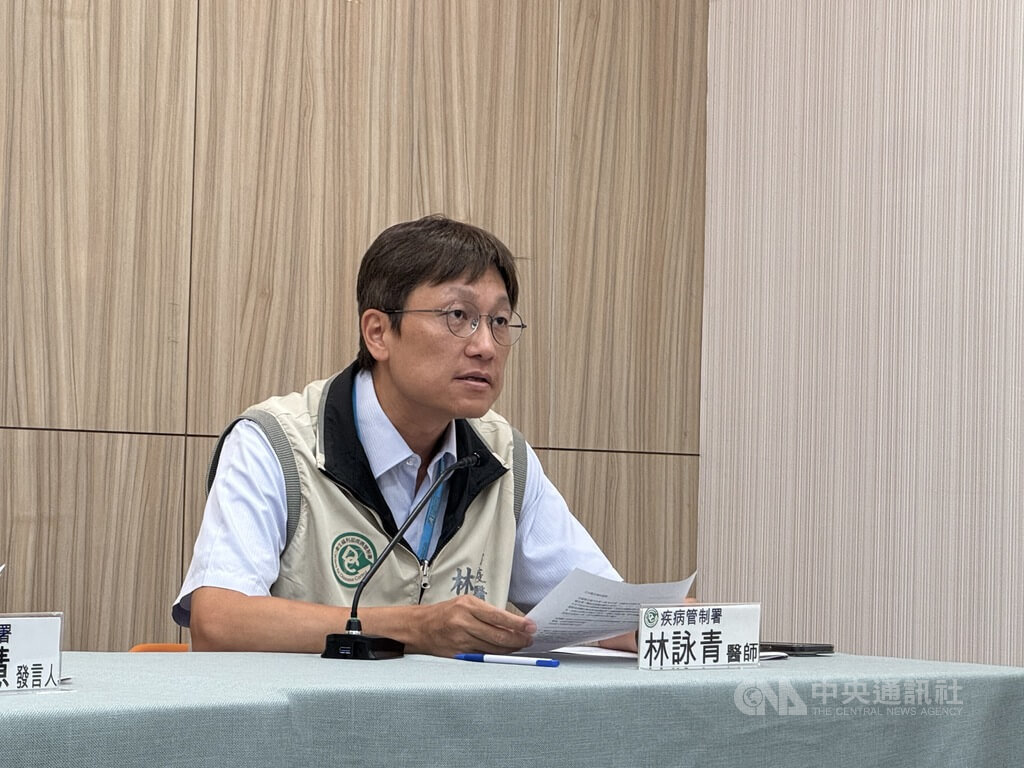
Dr. Lin Yung-ching, a CDC epidemic prevention physician, explained that EV-D68 primarily causes respiratory symptoms such as fever, runny nose, and cough—distinct from typical enterovirus symptoms like herpangina or hand, foot, and mouth disease. A small number of patients may develop severe complications, including pneumonia, encephalitis, or limb paralysis. There are currently no vaccines or antiviral drugs available for prevention or treatment. The most effective preventive measures include frequent handwashing, cough etiquette, avoiding crowded public spaces, and staying home when ill to reduce transmission risk.
Regarding laboratory surveillance over the past four weeks, CDC Deputy Director Li Chia-lin reported that coxsackievirus A6 is currently the dominant strain in the community, followed by coxsackievirus A4, enterovirus D68, and coxsackievirus A10. So far this year, five confirmed severe cases of enterovirus infection have been reported (including one fatality): three caused by EV-D68, and one each by coxsackievirus A4 and A16.
Tseng emphasized that Taiwan has entered the peak season for enterovirus transmission. Historical patterns show rapid spread in crowded settings such as schools and childcare centers, where close contact among children increases transmission risk. She urged educational and childcare institutions to strengthen health monitoring of children, enforce hand hygiene, clean and disinfect environments regularly, and ensure proper ventilation. Surfaces frequently touched by children—such as tables, toys, and door handles—should be disinfected routinely with 500 ppm chlorine-based bleach solution.
FACT BOX
- Source: CNA (Central News Agency)
- Category: Taiwan