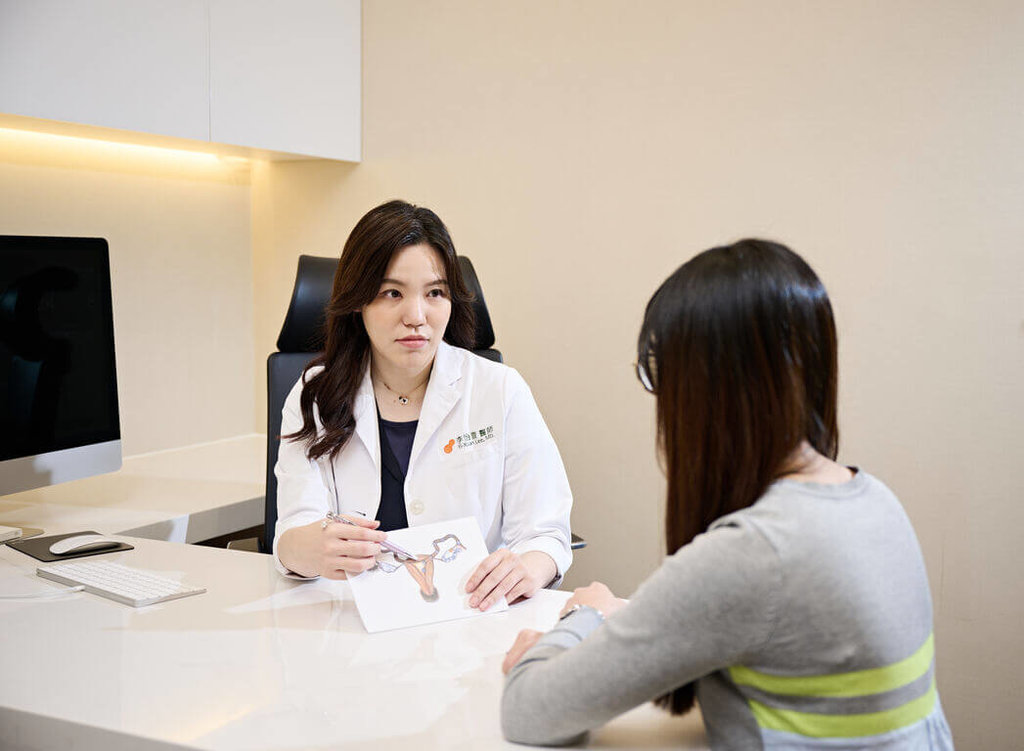
(Taipei, 15th – Reporter Chen Chieh-ling) With the trend toward later marriage and childbirth in Taiwan, many women are choosing to freeze their eggs to preserve fertility. According to clinical observations by physicians, the number of women undergoing egg freezing has increased by nearly 30% over the past five years, with the majority aged between 31 and 35. For modern women, this medical procedure has evolved from a high-age remedial option to a proactive form of fertility preservation.
Ages 30 to 35 are considered the golden period for fertility. Dr. Lee Yi-Hsuan, Director of the Taipei Reproduction Center, stated in a press release today that women in this age range are often still advancing in their careers or have not yet found a suitable partner. As a result, egg freezing has gradually become a life-planning option for many women in their early 30s. According to clinical statistics from the Taipei Reproduction Center, the number of egg freezing cases has increased by nearly 30% over the past five years.
Dr. Lee further analyzed data from the past five years of egg freezing patients, noting that women aged 31 to 35 constitute the primary group. Last year, over 60% of women who froze their eggs were under the age of 35. Clinically, there has been an increasing willingness among women aged 37 to 43 to thaw their frozen eggs as their lives stabilize. Although a thawing peak occurs around five years after freezing, the domestic usage rate of thawed eggs over the past decade has been only about 8.4%.
Dr. Lee pointed out that Taiwan’s low egg thawing usage rate is far below that of the United States, where the 10-year thawing rate reaches 38.1% due to legal allowances for single women to use donor sperm. In Taiwan, current assisted reproductive laws require patients to have a heterosexual spouse. With rising clinic consultations from women seeking single motherhood by choice, Dr. Lee warned that without timely legal reform, more and more single women will face the dilemma of “frozen eggs they cannot use” over the next decade.
Ms. Wang, who longed to become a mother, is a case in point. She completed egg freezing at age 33, hoping to start a family with her nearly 10-year partner once her career stabilized. However, her partner’s infidelity shattered her trust in marriage, though her desire to become a mother remained unchanged.
At age 37, Ms. Wang consulted a reproductive center but was blocked by domestic regulations requiring a heterosexual spouse for assisted reproduction. She was forced to transport her frozen eggs overseas to the United States, where she underwent IVF treatment. After spending over NT$1.4 million and enduring immense hardship, she finally welcomed a healthy and adorable daughter this year.
Dr. Lee noted that with increasing economic independence and shifting family values, many women like Ms. Wang no longer feel compelled to enter unsuitable marriages just to have children. However, the high financial costs and medical risks of cross-border fertility treatments make such options inaccessible for many. In Ms. Wang’s case, the total expenses—including overseas treatment, specialized logistics for egg transport, airfare, accommodation, and administrative fees—were three to four times higher than undergoing treatment in Taiwan.
Cross-border medical care also brings hidden risks such as language barriers, difficulties in seeking compensation for medical disputes, risks in biological sample management, and information asymmetry. Patients may even become targets for illegal intermediaries. Dr. Lee expressed hope that the revised Assisted Reproductive Technology Act, approved by Taiwan’s Executive Yuan at the end of last year—which would allow single women and female same-sex couples to access legal and safe treatments domestically—will be swiftly reviewed by the Legislative Yuan. (Edited by Chen Jen-Hua) 1150615
Stand with truth and facts. Your support is a force in defending press freedom.
Download the Central News Agency 'Breaking News' app to stay updated.
Text, images, and videos on this website may not be reproduced, broadcast, or transmitted without authorization.
FACT BOX
- Source: CNA (Central News Agency)
- Category: Survey