U.S.-Iran War Key News
(Taipei, London, 14th - Comprehensive foreign news) The United States and Iran have reached a peace agreement, opening the possibility of reopening the Strait of Hormuz. However, analysts warn that approximately 500 ships stranded in the Persian Gulf may take several weeks to fully clear, with global crude oil transportation recovering slowly and still facing the risk of renewed disruption.
The UK's Financial Times reported today that U.S. President Trump announced an agreement between the U.S. and Iran to gradually reopen the Strait of Hormuz. Under the terms, Iran must first clear naval mines from the strait and refrain from charging tolls, while the U.S. will lift its naval blockade on Iranian ports.
Trump posted on social media: 'I hereby fully authorize the toll-free opening of the Strait of Hormuz and the immediate lifting of the U.S. naval blockade. Ships of all nations, start your engines and let the oil flow!'
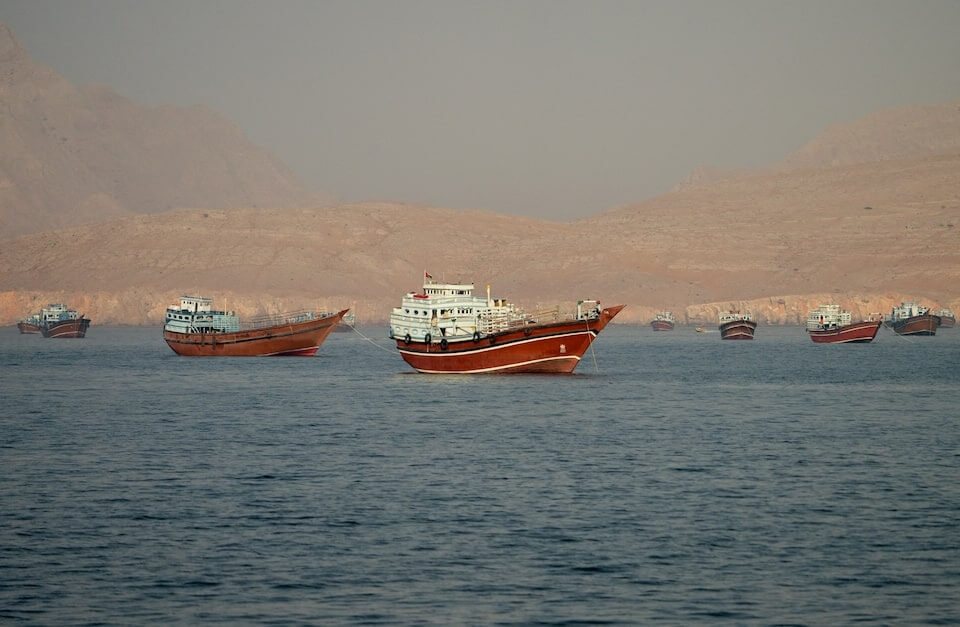
Shipping industry estimates indicate that over three months after the conflict erupted, approximately 500 commercial vessels remain stranded in the Persian Gulf.
Normally, it takes about eight hours for a merchant vessel to pass through the strait, meaning traffic must resume gradually. If vessels are required to follow specific conditions or coordinated passage mechanisms, the process could be even slower.
Major shipping organizations, including the International Chamber of Shipping and Bimco (Baltic and International Maritime Council), have issued guidance to shipowners regarding post-reopening conditions, warning that 'simultaneous, uncoordinated passage' of multiple vessels could lead to congestion and chaos.
Additionally, military oversight is expected to be limited.
Naval vessels from the UK and other European countries are currently assembling in the Mediterranean to assist with mine-clearing operations.
Martin Kelly, Head of Advisory at risk consultancy EOS Risk Group, expressed pessimism about the durability of the agreement, citing ongoing retaliatory attacks during the current ceasefire.
Helima Croft, Global Head of Commodity Strategy at RBC Capital Markets, stated that even with the strait reopened, it will take several weeks to reposition vessels and restore logistics, meaning partial recovery of transport capacity will be delayed.
Saul Kavonic, energy analyst at MST Financial, said that even under highly optimistic scenarios, 'oil markets will remain tight until at least 2027,' as restoring shipping logistics, repairing damaged energy infrastructure, and rebuilding depleted oil inventories will all take considerable time. (Translation: Chang Ming-Hsuan) 1150615
FACT BOX
- Source: CNA (Central News Agency)
- Category: Taiwan
- Organizations: Financial Times / International Chamber of Shipping / Bimco